


The Spine of the Holy City
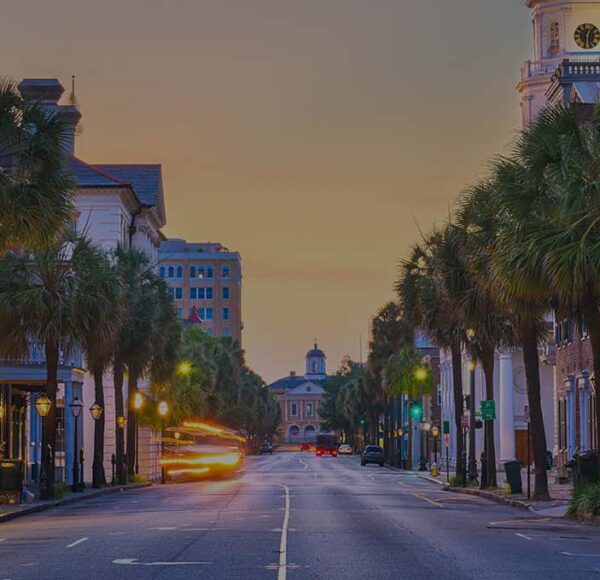
Meeting Street serves as the primary north-south arterial spine running through the heart of the Charleston Historic District. Historic house museums, grand churches, civic plazas, and shaded public parks line this vibrant corridor. Visitors find a rich blend of living history, cultural institutions, and architectural beauty as they walk along the sidewalks.
Exploring Charleston’s Meeting Street gives travelers access to the famous Charleston Museum Mile. This stretch features historic home sanctuaries, fine art collections, and sacred spaces. At Old Town Trolley Tours, we help guests experience the finest cultural landmarks in the city.

From Colonial Meeting House to Grand Thoroughfare: History of Meeting Street
Understanding the origin of Meeting Street in Charleston requires looking back to the early colonial settlement period of the 17th century. The roadway earned its name from the early Presbyterian Independent Church, commonly known as the “meeting house,” constructed along the path during the late 1600s near present-day Trinity United Methodist.
The Primary Gateway to Charles Town
During early colonial settlement, the street served as the main arterial route for traffic arriving in Charles Town from mainland Carolina. Farmers, merchants, and travelers passed down this roadway to access local port facilities and public markets. Docks and defense fortifications bordered the southern terminus, making the street an essential conduit for trade goods.
Architectural Transformation Through Boom Eras
Rapid economic growth during the 18th and 19th centuries transformed the corridor into a grand thoroughfare. Wealthy merchants, planters, and public officials erected grand antebellum mansions, civic institutions, and religious sanctuaries along the avenue. Today, these preserved structures stand as permanent reminders of the architectural craftsmanship of past eras.
The Four Corners of Law and Local Lore
A famous intersection along Meeting Street in Charleston presents a unique collection of civic and religious institutions.
The Four Corners of Law
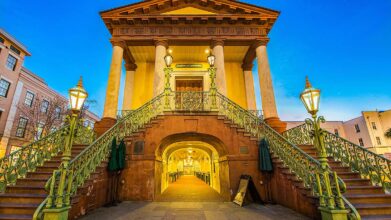
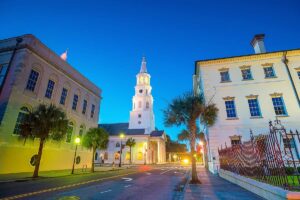 Famed author Robert Ripley coined the phrase “The Four Corners of Law” in his “Believe It or Not!” column to describe the intersection of Meeting and Broad Streets. The four corners house distinct legal jurisdictions in one place. State law is represented by the Charleston County Courthouse, federal law by the U.S. Post Office and Courthouse, municipal law by Charleston City Hall, and God’s law by St. Michael’s Episcopal Church.
St. Michael’s Episcopal Church
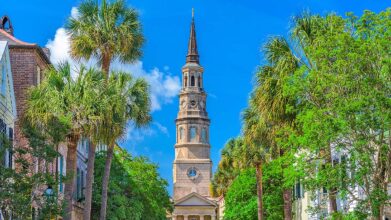
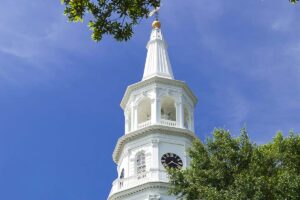 Located at 71 Meeting Street, St. Michael’s Episcopal Church stands as the oldest church building in the city, completed in 1761. The sanctuary features a 186-foot steeple holding historic bells that crossed the Atlantic Ocean five times due to wartime moves and repair efforts. George Washington sat in pew 43 during his 1791 visit to the city.
The Historic Charleston Hotel Site
Historical lore along Charleston’s Meeting Street includes the former site of the grand Charleston Hotel. Built in 1839, the hotel featured a massive Greek Revival colonnade composed of soaring stone columns that anchored the streetscape for over a century before demolition in the mid-20th century.
Essential Visitor Tips: Know Before You Go
Planning your walk along Meeting Street in Charleston ensures a smooth, enjoyable outing in the heart of the Charleston Historic District. Organizing your itinerary in advance allows you to maximize your time while comfortably exploring famous house museums, civic squares, and cultural landmarks.
1
Utilize the Museum Mile Route: Meeting Street in Charleston anchors the official Charleston Museum Mile, creating an exceptionally efficient walking corridor. Highly concentrated historic house museums, fine art collections, and public parks sit within convenient walking distance of one another.
2
Select Comfortable Footwear: The thoroughfare spans over a mile of historic brick pathways, stone plazas, and slate sidewalks. Sturdy, supportive walking shoes protect your feet while navigating uneven historic pavements and historic cobblestones.
3
Look into Museum Passes: Travelers can purchase a Charleston Museum Mile pass to enjoy discounted admission to multiple participating cultural sites and historic house museums along the avenue. Buying this ticket pass streamlines museum entries and offers significant savings for avid history enthusiasts.
4
Pace Your Sightseeing Schedule: Balance your itinerary by pairing indoor museum visits with quiet rests in shaded public parks along Meeting Street in Charleston. Pausing on a bench in Washington Square or Marion Square provides a relaxing break before heading to your next tour.
5
Time Your Visits for Morning Hours: Popular stops along Meeting Street in Charleston experience lighter crowds early in the day. Arriving at major sites like the Nathaniel Russell House or the Gibbes Museum of Art right as doors open guarantees a more personal, quiet gallery experience.
6
Plan Strategic Meal Breaks: Local cafes, casual taverns, and historic dining spots line the corridor. Scheduling a lunch break near the intersection of Meeting and Market Streets places you steps away from the bustling Charleston City Market.
Museum Mile Landmarks and Attractions
Exploring Meeting Street in Charleston brings you directly to premier cultural institutions, house museums, and art galleries.
Nathaniel Russell House
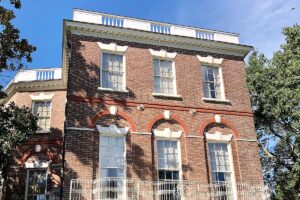 Located at 51 Meeting Street, the Nathaniel Russell House stands as a premier example of Federal-style architecture. Completed in 1808 for merchant Nathaniel Russell, the mansion cost over $80,000 to construct. The interior contains a famous free-flying, unattached spiral staircase that ascends three stories without touching supporting walls. Restored rooms display original paint finishes, gilded moldings, and authentic period decorative arts.
Gibbes Museum of Art
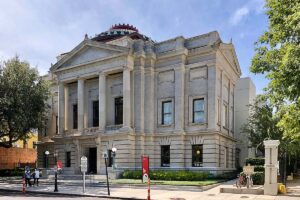 Situated at 135 Meeting Street, the Gibbes Museum of Art houses four centuries of American fine art with a strong focus on the Lowcountry. The museum features miniature portraits, regional landscapes, contemporary installations, and a quiet outdoor sculpture garden.
The Charleston Museum
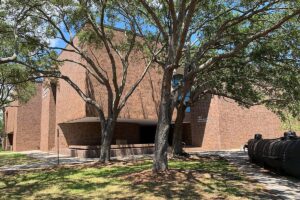 Located at 360 Meeting Street, the Charleston Museum was founded in 1773, holding recognition as America’s first museum. The museum displays collections covering Lowcountry natural history, Native American artifacts, Revolutionary War items, historical textiles, and regional decorative arts.
Joseph Manigault House
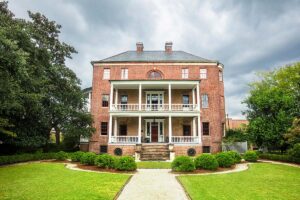 Positioned at 350 Meeting Street directly across from the Charleston Museum, the Joseph Manigault House represents French Huguenot heritage and Federal architecture. Designed in 1803 by Gabriel Manigault, the residence features a gatehouse structure, open piazzas, and fine French and American period furnishings.
Exploring Surrounding Historic Hubs: Nearby Points of Interest
A wide array of attractions branches off Charleston’s Meeting Street into neighboring historic districts.
Charleston City Market
 Located at the intersection of Meeting and Market Streets, the Charleston City Market spans four historic blocks. Open-air market sheds host craft vendors, regional artists, and Sweetgrass basket weavers preserving Gullah traditions.
Marion Square
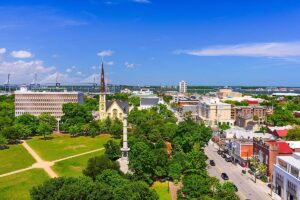 Occupying 10 acres at the northern stretch of Meeting Street, Marion Square serves as a public green space. The park hosts seasonal farmers’ markets, local craft festivals, and community events throughout the year.
The Battery and White Point Garden
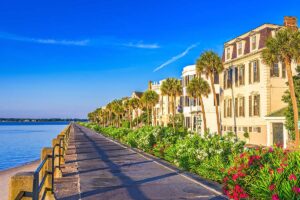 Situated at the southern terminus of Meeting Street, The Battery offers sweeping views of Charleston Harbor. Antebellum mansions face White Point Garden, a shaded public park featuring live oaks, military monuments, and historic cannons.
French Quarter District
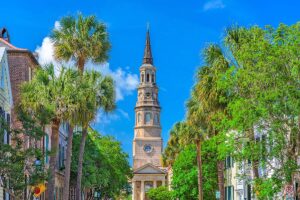 Branching east off Meeting Street, the French Quarter district features art galleries, historic playhouses, and cobblestone alleys. The neighborhood contains the historic Dock Street Theatre and St. Philip’s Episcopal Church.
King Street Shopping District
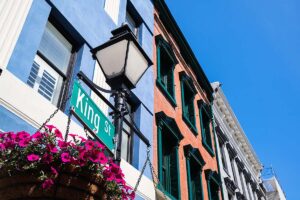 Running parallel just one block west of Meeting Street, King Street offers a world-famous shopping and dining corridor. Visitors find boutique fashion shops, antique stores, and popular local restaurants along the avenue.

The Best Way To Tour Meeting Street
Exploring Charleston’s Meeting Street is essential for understanding the architectural evolution of the Holy City. However, traveling the entire length of the corridor on foot involves covering significant ground between northern sites like the Charleston Museum and southern landmarks along the harbor. Vehicle traffic and limited parking garages can also add unnecessary stress to your trip.
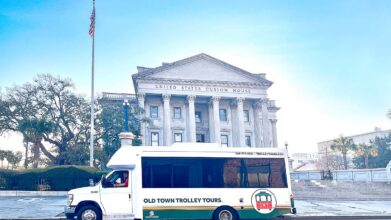
Knowledgeable Old Town Trolley Tours conductors deliver engaging Transportainment®, bringing centuries of Lowcountry history to life with captivating stories and local lore, and ensure your journey through the city is informative, relaxing, and memorable.
FAQs
Meeting Street in Charleston earned its name from the early Presbyterian “meeting house” constructed along the roadway during the city’s 17th-century settlement period.
The Four Corners of Law refer to the intersection of Meeting and Broad Streets. It houses four distinct legal institutions: federal law (U.S. Post Office and Courthouse), state law (Charleston County Courthouse), municipal law (City Hall), and God’s law (St. Michael’s Episcopal Church).
The Charleston Museum Mile is a concentrated section of Meeting Street featuring historic house museums, art museums, historic parks, and America’s first museum within walking distance.
Yes, Old Town Trolley Tours operates along Meeting Street in Charleston. The continuous tour route stops near major points of interest, including the Charleston City Market and Museum Mile landmarks.
Yes, Meeting Street features paved brick sidewalks and crosswalks. However, because the street spans more than a mile between northern and southern points, using Old Town Trolley Tours helps guests cover the distance comfortably.
The intersection of Meeting and Market Streets places visitors directly at the entrance of the Charleston City Market, surrounded by local shops, historic taverns, and dining spots.
Charleston’s Meeting Street presents an exceptional concentration of preserved historical architectural styles. Walking along the avenue allows travelers to view centuries of design evolution, including Georgian brickwork, Federal town homes with fanlight entryways, massive Greek Revival colonnades, and Gothic Revival churches.
Visitors can explore premier collections along Meeting Street in Charleston by visiting the Gibbes Museum of Art and the Charleston Museum. The Gibbes Museum houses four centuries of American and Lowcountry fine art, while the Charleston Museum — recognized as America’s first museum — features natural history, Native American artifacts, and historic textiles.
The best way to travel between northern and southern points along Meeting Street in Charleston is by riding Old Town Trolley Tours. Our continuous, fully narrated tour route spans the historic peninsula, allowing guests to view landmarks across the entire corridor without walking long distances or navigating downtown traffic.