


Guide to Black History of Music City
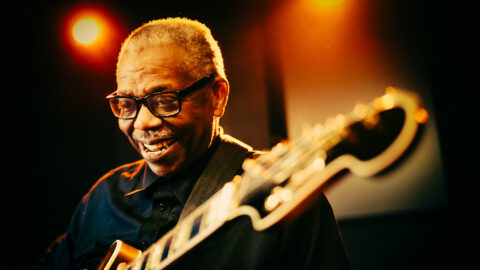
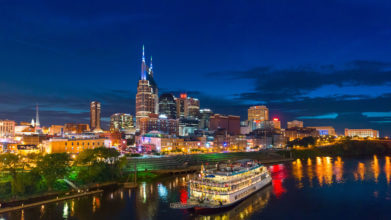
What Is the Story Behind Black History in Nashville? Nashville is known worldwide as Music City, but the roots of that name trace back to Black history in Nashville. African American musicians, educators and community leaders shaped the sound of the city and gave it the cultural heartbeat it’s known for today. Gospel, blues, rhythm and blues, and hip-hop all reflect the legacy of Black communities that built Nashville’s reputation as a creative hub. Visitors can explore landmarks, hear stories and see how music, education and activism created an influence that still guides the city’s identity.
-
 Admissions
 -
Entertainment
-
Restrooms
 Admissions
  Entertainment
  Restrooms
 What Is the Story Behind Black History in Nashville?
Nashville is known worldwide as Music City, but the roots of that name trace back to Black history in Nashville. African American musicians, educators and community leaders shaped the sound of the city and gave it the cultural heartbeat it’s known for today. Gospel, blues, rhythm and blues, and hip-hop all reflect the legacy of Black communities that built Nashville’s reputation as a creative hub. Visitors can explore landmarks, hear stories and see how music, education and activism created an influence that still guides the city’s identity.
 Who Were the Fisk Jubilee Singers and Why Do They Matter?
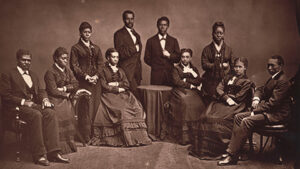 Who Were the Fisk Jubilee Singers and Why Do They Matter?
The story of Black history in Nashville begins with Fisk University, a historically Black college founded in 1866. From here came the Fisk Jubilee Singers, a group of students who performed African American spirituals at a time when those songs were often overlooked. Facing financial struggles, they toured across the United States and Europe to raise money for the university. Their performances moved audiences around the world, and one famous story says that Queen Victoria praised them and declared they must be from the “Music City.” That phrase stuck, and Nashville has carried it ever since. The Jubilee Singers not only secured the future of their school but also set the foundation for the city’s identity, showing how deeply the title Music City is tied to Black voices and culture.
What Role Did Jefferson Street Play in Black History in Nashville?
Jefferson Street became the center of Black history in Nashville from the 1930s through the 1960s. Known as the heart of the city’s Black music scene, it was filled with clubs, lounges and theaters that welcomed performers who weren’t allowed on other stages during segregation. The street was also part of what people called the Chitlin’ Circuit, a network of venues across the South that gave Black musicians a platform to share their talent during the Jim Crow era.
Some of the biggest names in American music passed through Jefferson Street. Jimi Hendrix played here before his rise to stardom, while legends like Little Richard, Etta James and Duke Ellington also lit up the stage. The energy of those years made Jefferson Street a cultural hub, where music, food and community came together every night. Even today, its history is remembered as one of the most important chapters in Black history in Nashville.
How Do Black Churches and Civil Rights Landmarks Shape Black History in Nashville?
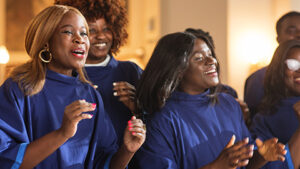 How Do Black Churches and Civil Rights Landmarks Shape Black History in Nashville?
Many of the most important chapters of Black history in Nashville were written inside its churches. The First Baptist Church, Capitol Hill, became a meeting ground for Civil Rights leaders, ministers and community organizers who worked to dismantle segregation. Clark Memorial United Methodist Church was another key site where students and clergy gathered to plan marches and sit-ins.
In the early 1960s, Nashville became one of the training centers for nonviolent protest, with students from local colleges leading lunch counter sit-ins that caught national attention. Leaders such as John Lewis, Diane Nash and James Lawson carried lessons from Nashville into the wider Civil Rights Movement. Visiting these churches today gives travelers a chance to stand in the spaces where ordinary citizens organized extraordinary change, and to see how faith and activism intersected to shape the city.
Who Were Some Famous Black Musicians From Nashville?
Nashville holds a rich history of Black music that extends far beyond its reputation as “Music City” for country. Many legendary Black artists got their start or established their careers in Nashville, particularly along Jefferson Street. In addition to the Fisk Jubilee Singers, in later decades, music legends like Jimi Hendrix honed their skills as a session and touring guitarist on the Jefferson Street scene, and Little Richard cut his teeth performing in local clubs. The city was also a vital stop on the Chitlin’ Circuit, attracting stars like Etta James who recorded a live album there. In more modern country music, Nashville has been the home for trailblazers like Charley Pride, who became a Grand Ole Opry member in 1993, and contemporary stars like Darius Rucker and Mickey Guyton, who have achieved mainstream success and continue to challenge the genre’s traditional boundaries.
How Does the National Museum of African American Music Honor Black History in Nashville?
The National Museum of African American Music (NMAAM) is one of the best places to learn about Black history in Nashville. Opened in 2021, the museum highlights the role African Americans played in shaping more than 50 genres of music, including spirituals, gospel, R & B, jazz, hip-hop and more. Visitors walk the “Rivers of Rhythm Pathway,” an interactive exhibit that links African traditions to modern-day music, showing how these sounds influenced generations of artists.
Inside, exhibits feature instruments, stage costumes and personal stories from musicians who helped define American culture. Touch screens and listening stations let you explore music at your own pace. The museum connects the history of Black musicians to Nashville’s identity as Music City and helps explain why their contributions remain central to the city’s story today.
What Other Landmarks Highlight Black History in Nashville?
Several historic sites expand the story of Black history in Nashville. Fisk University, founded in 1866, is one of the country’s leading historically Black colleges. Its Jubilee Hall is the birthplace of the Fisk Jubilee Singers, whose performances introduced African American spirituals to audiences around the world.
The Jefferson Street Sound Museum preserves the neighborhood’s once-thriving music scene with displays of instruments, photos and recordings. At the Ryman Auditorium, visitors learn how Black performers brought new sounds to audiences at a venue often called the “Mother Church of Country Music.” Belle Meade Historic Site offers its “Journey to Jubilee” program, which explores the history of enslaved people who lived and worked there. Together, these places give visitors a deeper view of the people and communities who shaped Nashville’s cultural history.
Why Does Exploring Black History in Nashville Matter?
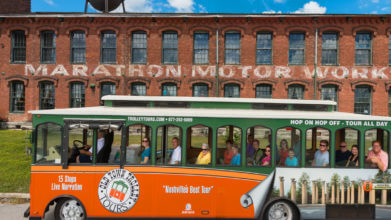
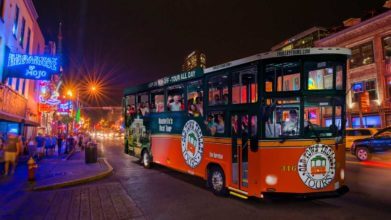
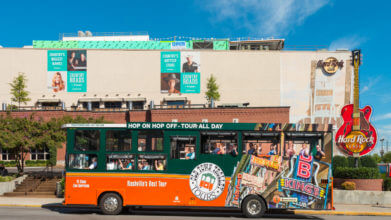
The story of Black history in Nashville runs through its music, its schools and its neighborhoods. You can stand in Jubilee Hall where the Fisk Jubilee Singers began a tradition that changed how the world heard spirituals. You can learn about the performers who turned Jefferson Street into the heart of Black music and see how their influence still shapes the city. The NMAAM connects those roots to today’s artists while smaller museums and historic sites keep community stories alive. Tours also play a role in sharing this history. Old Town Trolley Tours® offers The Soul of Music City TourSM, a guided evening experience that highlights Nashville’s musical identity and the lasting role of African American artists. Exploring these landmarks and tours gives visitors a deeper understanding of why Nashville is called Music City and how Black voices built that legacy.
FAQs
Who were the Fisk Jubilee Singers, and why are they important to Nashville’s history?
The Fisk Jubilee Singers were a choir of students from Fisk University, a historically Black college founded in 1866. In 1871, the group began touring the United States and Europe to raise money for their struggling school. They introduced audiences to spirituals, songs born from the African American experience of faith and endurance. Queen Victoria is said to have remarked that their voices sounded like a “choir of angels,” and the attention they drew helped save the university. The legacy of the Fisk Jubilee Singers is central to Black history in Nashville, because their work brought the city its reputation as Music City and showed how powerful African American culture could be on the world stage. Visitors can still see Jubilee Hall, the oldest permanent structure on campus, which was built with funds raised by the singers’ tours.
Is there a museum in Nashville dedicated to Black music history?
Yes, the NMAAM is the only museum in the world devoted entirely to preserving and celebrating the role of African Americans in music. Located on Fifth Avenue in Downtown Nashville, the museum covers more than 50 genres, from blues and gospel to hip-hop and R & B. Its centerpiece, the Rivers of Rhythm Pathway, traces the journey of Black music from its roots in Africa to today’s artists. Visitors can interact with touch screens, listen to historic recordings and view costumes and instruments used by legendary performers. This museum is one of the most significant places to visit when learning about Black history in Nashville because it connects centuries of creativity to the city’s identity as Music City.
Are there any contemporary Black musicians from Nashville I should know about?
The influence of Black history in Nashville continues today through a new generation of artists. Rappers like Mike Floss have gained attention for blending Nashville’s storytelling tradition with modern beats. Gospel choirs remain strong in churches throughout the city, keeping a vital tradition alive. R & B, jazz and hip-hop performers regularly take the stage at local venues, bringing fresh energy to the music scene. Nashville is also home to events like the Jefferson Street Jazz & Blues Festival, which highlights the neighborhood’s past while giving younger performers a stage.
What landmarks should I visit beyond the major museums?
Visitors interested in Black history in Nashville should plan time for Fisk University, where Jubilee Hall remains a centerpiece. The Jefferson Street Sound Museum is a smaller community-run site that preserves the neighborhood’s role as the hub of Black music in the 20th century. The Ryman Auditorium, known as the Mother Church of Country Music, also hosted major Black performers, including Louis Armstrong and B. B. King. Belle Meade Historic Site now offers its Journey to Jubilee program, which examines the lives of enslaved people connected to the property. These landmarks, along with others across the city, allow travelers to see how deeply Black history is woven into Nashville’s story, from education and music to daily life.
How can I explore Black history in Nashville in a single day?
A one-day visit can still give you a meaningful look at Black history in Nashville. Start in the morning at Fisk University to see Jubilee Hall. Then spend a few hours at the NMAAM. In the afternoon, walk through Jefferson Street, stopping at the Jefferson Street Sound Museum to learn more about the artists who performed there. The evening could include a concert at a local venue or a guided city tour like The Soul of Music City Tour with Old Town Trolley Tours, which highlights the neighborhoods and performers that gave Nashville its sound. Even in just one day, these experiences give visitors a deeper sense of the city’s past and present.