






Guide to Colonial Park Cemetery
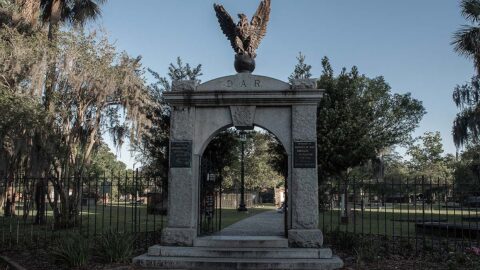
Colonial Park Cemetery Savannah is one of the city’s oldest and most visited burial grounds. Established in 1750, it covers six peaceful acres in the center of the historic district. Tall oak trees hang with Spanish moss, and weathered headstones line the walkways in every direction. During the day, the grounds feel calm and reflective. At night, the stillness deepens, and many visitors say the air feels heavier, as if the past still lingers nearby.
Thousands of people were laid to rest here, including soldiers, city leaders, and families who helped shape Savannah’s early years. Guides on the Ghosts & Gravestones Tour often describe Colonial Park Cemetery Savannah as one of the most active haunted sites in the city. With so many stories of loss, change, and survival, it is a place where history feels close enough to touch.
What Makes the Haunted History of Colonial Park Cemetery So Compelling?
Colonial Park Cemetery Savannah holds more than graves. It preserves centuries of stories about life, hardship, and endurance. Some of the oldest markers date back to the 1750s, when Savannah was still a small coastal settlement. Over time, storms, fires, and the passage of years damaged many of the original markers, leaving parts of the cemetery full of unnamed graves.
Visitors who walk through the paths often describe the feeling of stepping into a space where every stone has something to say. The quiet surroundings, the uneven headstones, and the long history have made Colonial Park Cemetery one of the city’s most studied and discussed historic sites.
What Historical Events Shaped Colonial Park Cemetery’s Haunted Reputation?
 The Yellow Fever Crisis and the Mass Grave
 The Yellow Fever Crisis and the Mass Grave
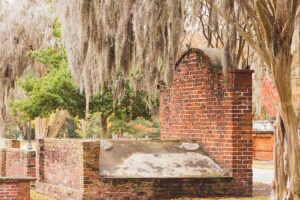
In 1820, yellow fever swept through Savannah and claimed hundreds of lives within weeks. The city was overwhelmed, and the north end of Colonial Park Cemetery Savannah became the final resting place for many of the victims. The burials were hurried, and most of the graves were left without names or markers. Today, that area feels different from the rest of the cemetery. Many visitors say they sense a quiet sorrow when they walk through this section.
The Duels of Honor
During the early 19th century, dueling was a common way to defend one’s honor in Savannah, and Colonial Park Cemetery became the final resting place for several men who met their fate in these encounters. Among them is poet James Wilde, memorialized by the marker known as the Duelist’s Grave. Though Wilde’s duel took place across the river in South Carolina, his grave stands here as a lasting symbol of Savannah’s storied past and its deep ties to themes of honor, pride, and loss.
The Civil War Desecration
When Union troops entered Savannah during the Civil War, Colonial Park Cemetery became part of their encampment. Soldiers used family vaults as shelter and spent long nights among the graves. Local accounts tell of stones being moved, names being scratched away, and new dates carved into the marble. Some markers still show strange alterations that no one has ever corrected. Many people believe that the disrespect shown to the dead during that time disturbed the peace of the cemetery. Visitors who notice the irregular stones often say the site feels restless, as if the past remembers what happened.
Who Is Buried in Colonial Park Cemetery in Savannah?
Many of Savannah’s earliest residents are laid to rest within the walls of Colonial Park Cemetery Savannah. Each headstone and memorial shares part of the city’s story, stretching from its founding years through periods of growth and hardship. Walking among the rows of graves offers visitors a quiet glimpse into how deeply history runs here.
One of the most recognized names associated with the cemetery is Button Gwinnett, one of Georgia’s signers of the Declaration of Independence. A monument within the cemetery honors him, though historians still debate whether it marks his actual burial site or serves as a cenotaph. Nearby rests Archibald Bulloch, who led Georgia during the Revolutionary period and is recognized as the state’s first governor. His leadership during the transition from colony to statehood remains a proud part of Savannah’s heritage.
General Lachlan McIntosh, another Revolutionary War figure, is also memorialized here — known both for his military service and for the infamous duel that claimed Button Gwinnett’s life. James Habersham Sr., a merchant and colonial leader loyal to the Crown, is buried here as well, while his son, James Habersham Jr., became a prominent revolutionary after the war. Family plots throughout Colonial Park Cemetery Savannah hold teachers, doctors, and tradespeople who helped the community thrive, along with small markers for children lost during epidemics.
These memorials and graves preserve the stories of those who built Savannah through courage, faith, and perseverance. Reading the names carved into the stones connects visitors to the people who once walked these same streets and helped shape the city that stands today. The history of Colonial Park Cemetery Savannah lives on not only in its ghost stories but also in the enduring legacy of those remembered within its walls.
What Should You Know Before Visiting Colonial Park Cemetery in Savannah?
A visit to Colonial Park Cemetery Savannah can be one of the most memorable parts of a trip to the city, but it should always be done with care. The site is both a burial ground and a piece of living history, and every visitor is asked to show respect.
Respect the Grounds
Colonial Park Cemetery is a sacred place that has stood for centuries. Do not walk across headstones, lean on grave markers, or touch any part of the monuments. The grounds are carefully maintained, and even small damage can have lasting effects on the fragile stones.
Daytime Visits
Daytime visits are ideal for photography and learning about the people buried here. Many visitors come to see the graves of historical figures such as Button Gwinnett, one of the signers of the Declaration of Independence. The light through the oak trees gives the cemetery a quiet beauty that captures Savannah’s sense of time and place.
Nighttime Tours
Colonial Park Cemetery in Savannah closes its gates to the public at night, and no tours are permitted inside after dark. Instead, tours such as the Ghost Town Trolley pass by the cemetery’s perimeter, where guides share eerie tales of those buried within its historic walls. On select occasions, Ghosts & Gravestones and other local ghost tours may also pass by the site as part of their route, offering guests a glimpse into its haunted legacy without entering the grounds. Listening to these spine-tingling stories shared by CASTmembers helps visitors understand why Colonial Park Cemetery remains one of Savannah’s most haunted and historically significant landmarks.
Using Your Camera
Visitors who take photos often capture unusual details. Faint lights, misty shapes, or color shifts sometimes appear without explanation. Many say the best photo spots are near the Duellist’s Grave and beneath the sprawling oak trees that line the historic pathways. Even if you capture nothing strange, the experience of walking through Colonial Park Cemetery in Savannah is worth remembering.
Why Visit Colonial Park Cemetery?
 Colonial Park Cemetery Savannah is one of the city’s most meaningful places to visit. The quiet paths, tall oaks, and timeworn headstones tell the story of generations who lived, worked, and helped shape Savannah. Each name carved into stone adds another layer to the city’s long and often complex past.
Walking through Colonial Park Cemetery Savannah gives visitors a sense of connection that goes beyond sightseeing. The site holds the memories of Revolutionary War soldiers, families lost to yellow fever, and citizens who built the foundations of Savannah’s community. Guided tours, such as the Ghosts & Gravestones Tour, help visitors understand the events that left such a lasting mark on this ground. Every visit offers a moment to reflect on the lives that came before and how they still influence the city that stands today.
FAQs
Can I visit Colonial Park Cemetery after dark without a guided tour?
No. Colonial Park Cemetery in Savannah closes to the public at dusk, and entry after dark is not permitted. While tours are not allowed inside the cemetery at night, the Ghost Town Trolley does pass nearby, sharing stories connected to Savannah’s early history, yellow fever epidemics, and the notable individuals buried within its walls. It’s an engaging way to experience the legends and history surrounding Colonial Park Cemetery.
How long does it typically take to walk through the cemetery?
Most visitors spend 30 to 45 minutes exploring Colonial Park Cemetery Savannah. The grounds are large enough to hold your attention but small enough to walk comfortably. Those who take time to read the inscriptions or study the older sections often stay longer.
Who were some of the notable people buried in Colonial Park Cemetery?
Colonial Park Cemetery in Savannah is the burial site of several prominent figures from Georgia’s early history. Among them are Button Gwinnett, a signer of the Declaration of Independence, and Archibald Bulloch, who led Georgia’s Revolutionary government. The cemetery also contains the graves of merchants, teachers, and soldiers whose lives reflect Savannah’s growth from a small settlement into a thriving city. Their stories continue to connect visitors to the city’s rich and enduring past.
Why is Colonial Park Cemetery important to Savannah’s history?
Colonial Park Cemetery Savannah reflects the entire story of the city. The graves record moments of triumph, loss, and resilience that still define Savannah today. This site continues to serve as both a historic landmark and a place of remembrance. Visitors who spend time here often leave with a deeper appreciation for Savannah’s heritage and for the people who built the community that endures around the cemetery.