

The Telfair Museum of Art: Savannah’s Cultural Gem
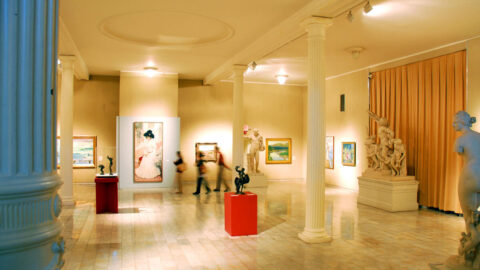
The Telfair Museum of Art, located in Savannah’s historic district, stands as a shining example of the city’s cultural and historical richness. Established in 1886, it holds the honor of being the oldest public art museum in the Southern United States. Spanning three distinct sites — the Telfair Academy, the Jepson Center, and the Owens-Thomas House & Slave Quarters — this museum offers visitors a unique and multifaceted journey through art, history, and architecture.
-
 Admissions
 -
 Entertainment
 -
 Restrooms
Exploring the Telfair Museum of Art
What Makes the Telfair Museum of Art a Key Part of Savannah’s Culture?
Planning a day around the Telfair Museum of Art is one of the most meaningful ways to explore Savannah’s creative side. These three sites sit in the center of the historic district, and together they form an important group of Savannah museums that many visitors look forward to seeing. The buildings hold classic artwork, modern pieces, and stories that help explain how the city grew over time.
This guide walks you through the museum’s legacy, its key exhibits, and helpful tips that make your visit smoother. The Telfair Museum of Art includes the Telfair Academy, the Jepson Center, and the Owens-Thomas House & Slave Quarters. All three places offer something unique, and taking time to visit each one helps you enjoy a wide range of art, architecture, and stories.
How Did the Telfair Museum of Art Begin?
The Founding and Architectural Heritage of the Telfair Museum of Art
The Telfair Museum of Art began with Mary Telfair, who left her family home to the Georgia Historical Society in 1886. Her gift ensured that the building would become a place where people could learn about art and culture in a setting that felt close to Savannah’s roots. Her decision shaped the future of this museum group and helped it grow into one of the most recognized Savannah museums.
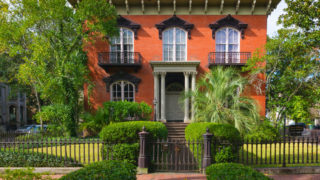
The first building, the Telfair Academy, remains a major example of Regency architecture. William Jay designed it in 1819, and many visitors enjoy looking at its tall ceilings, arched windows, and quiet galleries before exploring the artwork inside. A short walk away, the Owens-Thomas House adds even more historical depth. This structure, also in the Regency style, is a National Historic Landmark that includes preserved slave quarters, helping guests understand the city’s early years with care and accuracy.
The Jepson Center, which opened in 2006, adds a bright and modern contrast to the Telfair Museum of Art group. Architect Moshe Safdie designed it with wide galleries and large glass walls that hold rotating exhibits, community programs, and hands-on experiences for families. The three buildings work together to show different periods of architecture, giving visitors a clear sense of how Savannah changed over time. They stand out among Savannah museums because of this mix of past and present, along with the variety of art and history found inside each space.
What Can You See Inside These Essential Savannah Museums?
Spending time inside the Telfair Museum of Art gives you a close look at three very different buildings, each filled with artwork and stories that help explain Savannah’s past and present. Many visitors start at the Telfair Academy, where the quiet halls and classic layout set the stage for the rest of the day. This first stop stands out among Savannah museums, since it holds a large collection of 19th-century art from both the United States and Europe. Paintings, sculptures, and portraits line the rooms, allowing guests to take their time as they move from piece to piece. One of the most popular items is the Bird Girl sculpture, which became well-known after appearing on the cover of a famous book set in Savannah.
Next, guests usually move to the Jepson Center, where the focus turns to present-day art and new ideas. The inside feels open and bright, with tall windows and simple spaces that highlight bold colors and large installations. The exhibits change often, so returning visitors can see something new each time. The Jepson Center also includes a children’s gallery with interactive elements that make learning fun for younger guests. Families often spend extra time here before moving on to the next location. This mix of old and new helps the Telfair Museum of Art stand out among other Savannah museums, since few places offer such a wide range of styles in buildings that are so close together.
The final stop is the Owens-Thomas House & Slave Quarters. This site offers a calm and thoughtful experience focused on everyday life during the early 1800s. Visitors walk through furnished rooms, quiet courtyards, and preserved living spaces where enslaved people once worked and slept. Guides explain how the household operated and share details that help guests understand the history with respect and care. The preserved structures make this one of the most powerful Savannah museums, since it shows both beauty and hardship in ways that stay with you long after your visit. Taken together, these three spaces form a clear path through centuries of art, architecture, and culture, and each one adds to the story that the Telfair Museum of Art tells.
How Do You Plan a Smooth Visit to the Telfair Museum of Art?
Planning your visit to the Telfair Museum of Art can be simple and comfortable with a little preparation. Most visitors set aside a full day to explore all three buildings, since each space offers something different. The Telfair Academy and the Jepson Center sit just a short walk from one another, and the Owens-Thomas House & Slave Quarters are nearby as well. Checking the hours before arriving helps make the day feel steady and relaxed.
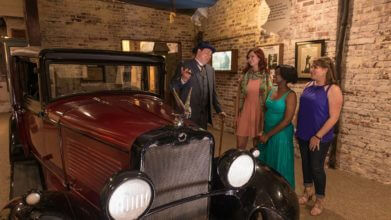
Many guests enjoy joining one of the docent-led tours. These guides are friendly and knowledgeable, and they share stories and background information that make the artwork easier to understand. Families with children often enjoy the hands-on activities at the Jepson Center, where younger visitors can draw or build simple art projects connected to what they see in the galleries.
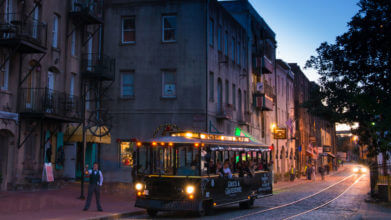
Getting to all three locations is convenient. Old Town Trolley Tours® has a stop near the Telfair Academy, and their hop-on, hop-off service lets visitors move at their own pace. Riders can listen to live narration from friendly and knowledgeable guides, then step off when they are ready to explore. The route also passes close to several other well-known Savannah museums, which helps visitors get a clear view of the historic district while staying cool and comfortable. Those who prefer to walk can follow shaded streets, nearby squares, and quiet sidewalks.
The Telfair Museum of Art is also designed with accessibility in mind. Ramps, elevators, and open pathways help guests who need more support move through each building with ease. Staff members at all three sites are available to answer questions and keep the experience smooth.
With simple planning and a flexible approach, visitors can enjoy a full day of art, architecture, and history. The mix of guided tours, hands-on activities, and open galleries makes the Telfair Museum of Art an inviting and easy part of any cultural outing in Savannah.
What Other Savannah Museums Should You Add to Your Trip?
Once you finish exploring the Telfair Museum of Art, there are several other Savannah museums that add variety to your visit. Each one offers a different part of the city’s story, and spending even an hour or two at these spots can help you understand Savannah in a fuller way.
The American Prohibition Museum® is a lively stop for anyone curious about the events that shaped the 1920s. Guests walk through rooms filled with old bottles, recreated saloons, and early law enforcement displays. It also connects directly to Congress Street Up, where trained bartenders show how drinks of that era were made. This setting allows visitors to see how daily life shifted during Prohibition and how Savannah played a part in that period.
Families often enjoy the Savannah Pirates and Treasure Museum™, which shares stories about the Golden Age of Piracy. Inside, guests find maps, model ships, and displays that show how pirates traveled along the coast. Kids enjoy looking at the treasure chests, while adults learn about the real history behind many of the most famous pirate legends.
Visitors who like maritime history often head to the Ships of the Sea Maritime Museum, located in the historic Scarbrough House. Model ships, navigation tools, and large open galleries help guests imagine what travel was like long before modern ports were built. The gardens behind the house give visitors a quiet space to sit and enjoy the fresh air before moving on to their next stop.
Those who enjoy personal stories connected to military service can visit the Webb Military Museum. This small but carefully arranged space features uniforms, letters, photographs, and personal belongings from several eras. Many guests find it meaningful because the items on display once belonged to real service members, giving it a personal touch that stands out among other Savannah museums.
Together, these locations build a full picture of Savannah’s past. Each space has its own style and focus, and they pair naturally with a visit to the Telfair Museum of Art. Visitors can explore at their own pace, choosing the museums that match their interests while still enjoying the relaxed feel of the historic district.
Why Should You Spend Time at the Telfair Museum of Art?
A visit to the Telfair Museum of Art gives guests a clear look at Savannah’s history, art, and architecture across three unique sites. Each building offers something different, so the day never feels rushed. Spending a full day with the Telfair Museum of Art helps visitors connect with Savannah in a steady and thoughtful way.
FAQs
What does a ticket to the Telfair Museum of Art include?
A ticket gives access to all three sites that make up the Telfair Museum of Art. This includes the Telfair Academy, the Jepson Center, and the Owens-Thomas House & Slave Quarters. Each location has its own layout, staff, and exhibits, so guests can explore a wide range of art and history in a single day. Many visitors stay longer at the Academy to see classic paintings, then move to the Jepson Center to enjoy brighter modern galleries. The Owens-Thomas House is often the quietest of the three Savannah museums, giving guests time to study the preserved rooms and learn about the people who lived and worked there. All three locations sit close together, so walking between them is simple.
Where can I find the Bird Girl statue?
The Bird Girl statue is displayed inside the Telfair Academy, which is part of the Telfair Museum of Art. It became well known after it appeared on the cover of Midnight in the Garden of Good and Evil. Many visitors stop here first because the piece carries a strong connection to Savannah’s identity. The museum places the statue in a quiet space, which gives guests time to study the details and learn about its original role in the city. This display is one reason the Academy is often included in lists of notable Savannah museums.
Which building focuses on modern art?
The Jepson Center is the modern art site within the Telfair Museum of Art. Its design feels open and bright, and the galleries include changing exhibits from local and national artists. Families enjoy the children’s gallery because it offers interactive activities that are simple and fun. Adults often spend more time in the larger rooms with contemporary installations. This mix of hands-on learning and creative displays helps the Jepson Center stand out among Savannah museums that focus on newer work.
Why is the Owens-Thomas House important to Savannah museums?
The Owens-Thomas House & Slave Quarters is an important part of the Telfair Museum of Art because it preserves the daily lives of people who lived in early Savannah. Guests walk through furnished rooms, study the building’s design, and learn about the families who lived in the home and the people who worked there. The preserved slave quarters behind the house help visitors understand how history shaped the city. This site encourages guests to slow down and think about what life looked like many years ago. Its careful presentation makes it one of the most meaningful Savannah museums for learning about the city’s past.
What is the easiest way to visit all three museum sites?
Many guests start at the Telfair Academy, walk to the Jepson Center, and then finish at the Owens Thomas House and Slave Quarters. This path moves from classic art to modern work and then to preserved history. Old Town Trolley Tours has a stop near the Telfair Academy, so visitors can reach the area without needing to look for parking. The three buildings sit within a short walk of one another, which makes the entire route simple and comfortable. This easy layout is one reason the Telfair Museum of Art is a favorite starting point for people visiting several Savannah museums in one day.