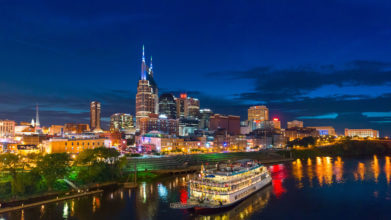



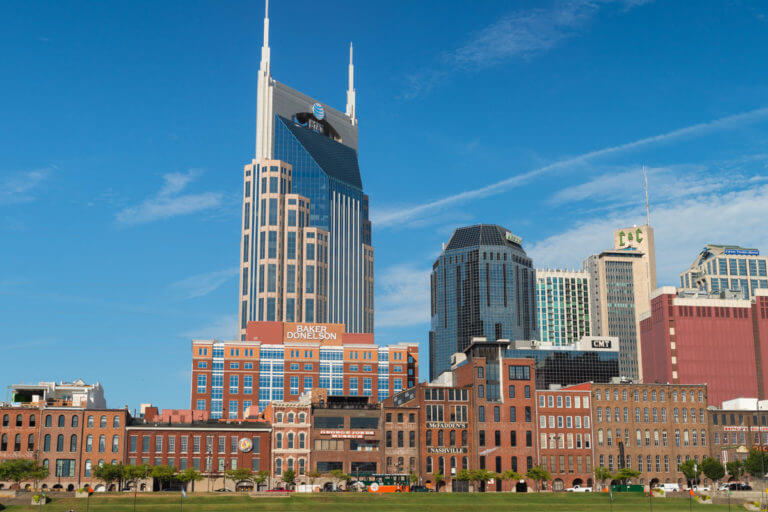
Broadway is a major thoroughfare running from the southwest to the northeast through the heart of downtown Nashville. Extending from 21st Avenue South to First Avenue, the street connects neighborhoods like the Gulch and Music Row with the Cumberland River waterfront. Broadway is the demarcation line where many of Nashville’s roadways change their designation from north to south.
The Ultimate Guide to Nashville’s Broadway & Honky Tonk Highway
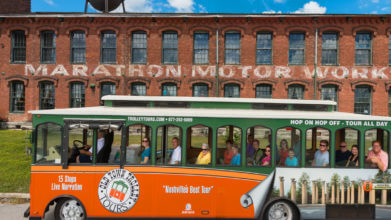
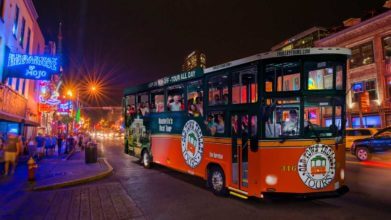
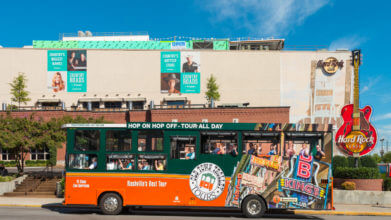
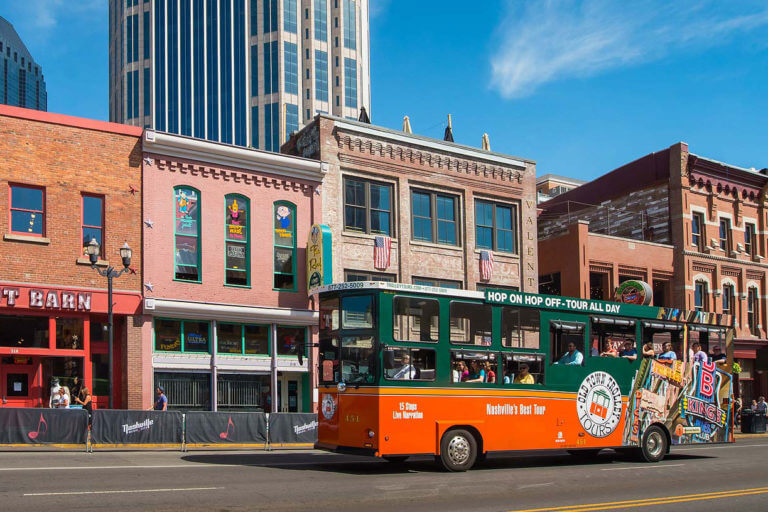
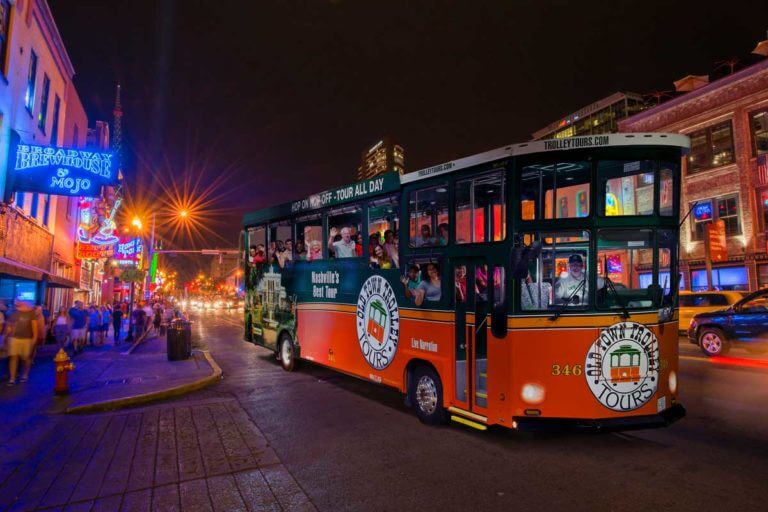
The best way to experience the vibrant energy of Nashville’s world-famous Lower Broadway is with Old Town Trolley Tours. This expertly guided tour offers the most comprehensive and flexible way to see the heart of Music City, including the legendary honky tonks and historic music venues. Old Town Trolley Tours ensures you won’t miss a thing.

Why Old Town Trolley Tours Is Essential for Broadway in Nashville
- Skip Parking Stress: Avoid the chaotic downtown traffic and expensive, extremely limited parking near the honky-tonks.
- Expert Narration: Hear engaging stories and historical facts about Broadway’s transformation from Auto Row to the famed Honky Tonk Highway.
- Flexible Access: Use the hop-on, hop-off structure to explore iconic venues like Tootsie’s and the Ernest Tubb Record Shop at your own pace.
- Guaranteed Route: Sit back, relax, and let the professional conductor navigate the busy downtown streets while you focus on the sights and sounds.
Video loading
Broadway Visitor Information
Best Time to Visit Broadway:
While open year-round, many honky-tonks on Lower Broadway allow families during the day but enforce a strict 21-and-over policy in the evening. Weekends see the highest traffic.
Convenient Boarding:
Purchase your ticket directly online to secure the lowest price and board at any of the designated Old Town Trolley stops.
The Honky Tonk Highway:
Your tour provides the easiest access to the famous four-block stretch of Lower Broadway, where live music plays all day and night.
Save up
to 15%
Old Town Trolley Tour
to 15%
- Choose 1 day or upgrade to 2 consecutive days and save more!
- Hop On, Hop Off at 13 Stops Around Nashville
- Fully Narrated 1-Hour and 50-Minute Tour
- Real-Time Trolley Tracking Map
- Best Views With Stadium Seating
- Cushioned Seating
- Stories Narrated by Local Experts
- Tallest Vehicles Allowed by Law
- 100+ Points of Interest
- American Owned and Operated
- All-Weather Vehicles
- Start at Any Designated Stop
- 100% Satisfaction Guarantee
- The consumption of beer, ale, wine, or other alcoholic beverages upon or within a seated sightseeing vehicle is strictly prohibited.
- Seated sightseeing vehicle passengers must remain seated at all times when the vehicle is in operation.
Save up
to 15%
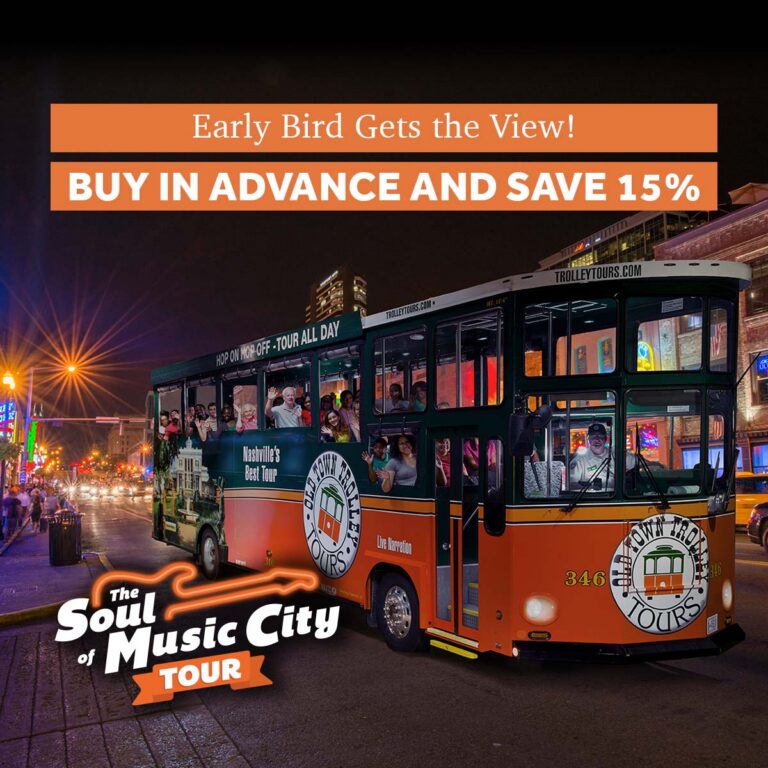
Soul of Music City Tour
to 15%
- Hear stories and original songs shared by our talented guides
- See Nashville's skyline and notable landmarks
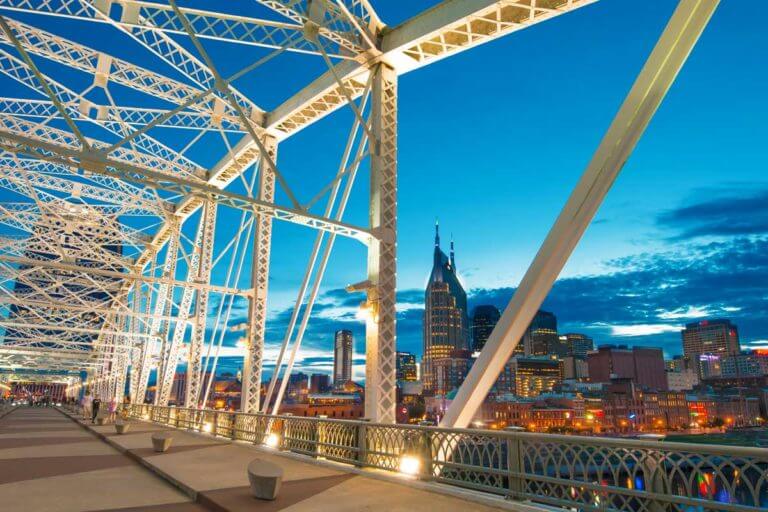
- See the John Seigenthaler Pedestrian Bridge and breathtaking views of the city
- Learn about the diverse music genres that have been in Nashville over the years
- Hear stories about the rhythm & blues scene in Nashville
- Get the scoop on some Nashville hot spots
- The consumption of beer, ale, wine, or other alcoholic beverages upon or within a seated sightseeing vehicle is strictly prohibited.
- Seated sightseeing vehicle passengers must remain seated at all times when the vehicle is in operation.
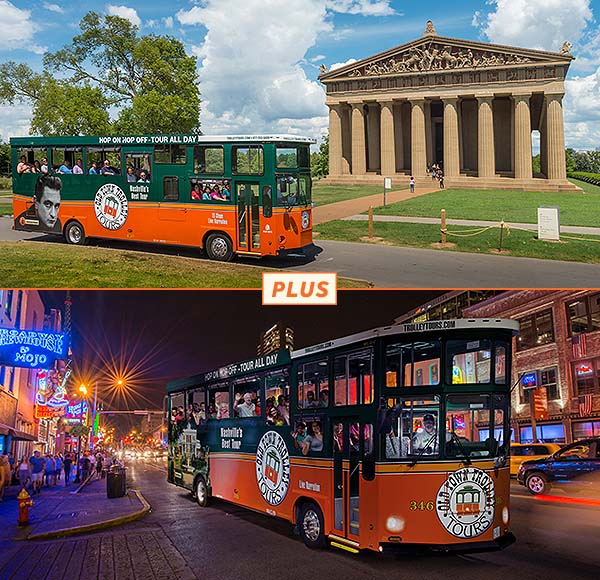
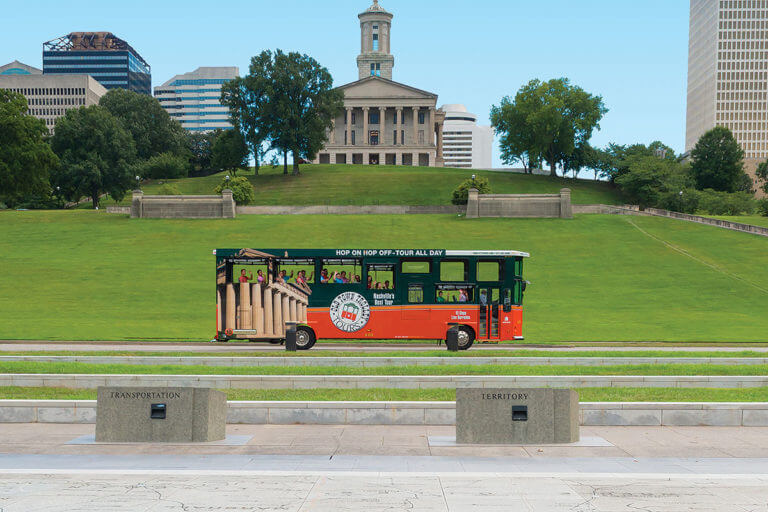
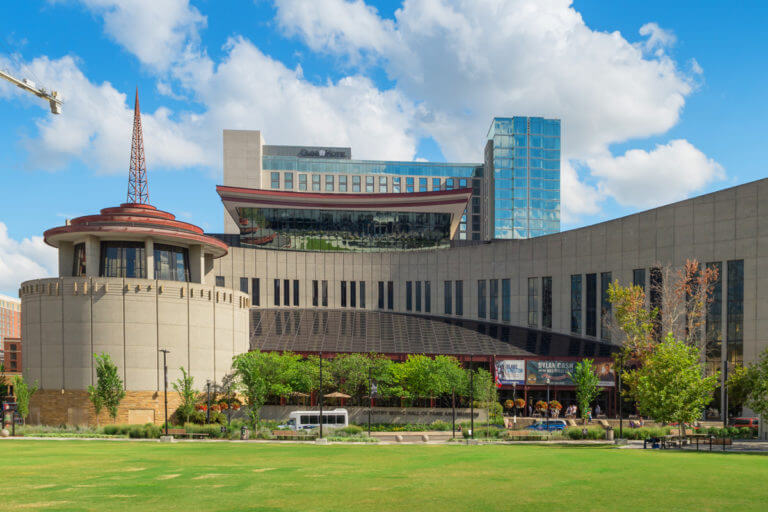
Save up
to 15%
to 15%
SEE THE BEST OF NASHVILLE BY DAY AND NIGHT
- Day Tour:
- Hop On, Hop Off at 13 Stops Around Nashville
- Fully Narrated 1-Hour and 50-Minute Tour
- Real-Time Trolley Tracking Map
- Best Views With Stadium Seating
- Cushioned Seating
- Stories Narrated by Local Experts
- Tallest Vehicles Allowed by Law
- 100+ Points of Interest
- American Owned and Operated
- All-Weather Vehicles
- Start at Any Designated Stop
- Soul of Music City Tour:
- Hear stories and original songs shared by our talented guides
- See Nashville's skyline and notable landmarks
- See the John Seigenthaler Pedestrian Bridge and breathtaking views of the city
- Learn about the diverse music genres that have been in Nashville over the years
- Hear stories about the rhythm & blues scene in Nashville
- Get the scoop on some Nashville hot spots
- 100% Satisfaction Guarantee
- Attraction tickets do not have to be used on the same day
- The consumption of beer, ale, wine, or other alcoholic beverages upon or within a seated sightseeing vehicle is strictly prohibited.
- Seated sightseeing vehicle passengers must remain seated at all times when the vehicle is in operation.
Early History of Broadway
The wharfs and docks for the port of Nashville were located on the Cumberland River at the eastern terminus of Broad Street, today’s Lower Broadway. Market Street, now Second Avenue, then connected them to the vendor stalls on the public square. Broad Street was one of only three roadways running east to west on the original plat map of the city. The street was lined with hardware shops, feed stores and other enterprises that expanded Nashville’s economy. In 1875, Broadway was the setting for the first public high school in Nashville. After the turn of the 20th century, a portion of Broadway would be known as Auto Row because of the large number of car dealerships as well as tire and auto parts stores that lined the roadway. It was during the Depression that the Work Progress Administration (WPA) built a new post office adjacent to Union Station as most mail was transported by train. While Union Station has been transformed into a luxury hotel, the Old Post Office was repurposed as the Frist Center for the Visual Arts.
Nashville’s Honky Tonk Highway
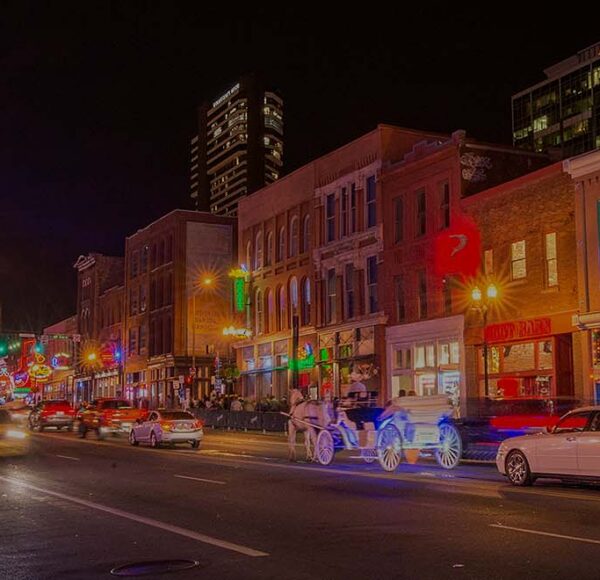
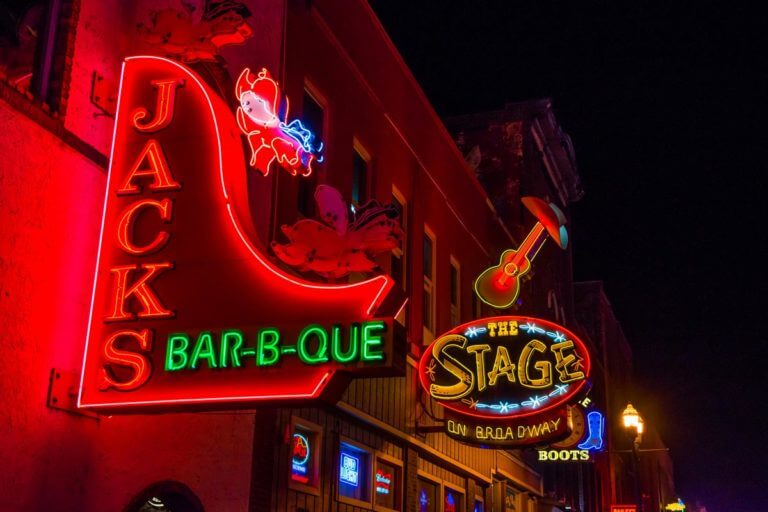
Starting in the 1930s, Jimmy Rodgers began singing in the honky tonks on Lower Broadway. As his fame grew, other aspiring singers and songwriters were drawn to the area. The heart of the country music scene, the four-block stretch of Broadway earned the nickname Honky Tonk Highway, a moniker akin to Bourbon Street in New Orleans and Beale Street in Memphis. The bars and music venues launched the careers of many legendary performers. When the Grand Ole Opry moved out of the Ryman Auditorium in the 1970s, Broadway fell on hard times. Approximately 20 years later, the reopening of the iconic music hall helped to revitalize the area. Many of the historic commercial buildings, like the Victorian-era former Merchants Hotel, lining the street now house a variety of country western-themed shops and restaurants as well as honky tonks. These establishments serve cold beverages and have at least one stage where artists perform all day. The music starts in the early afternoon and carries on into the evening. Stroll down the road or sit at a street-side table and enjoy the music and the atmosphere. You never know when a legendary performer will sit in on an impromptu jam session as you listen to an aspiring artist.
Points of Interest on Broadway
There are several popular destinations along Broadway, including heritage architecture listed in the National Register of Historic Places.
Union Station
 Built in 1900 as a majestic railroad depot, Union Station has been converted into a luxury hotel. Still reflecting the grandeur of Victorian-era train travel, the neo-Romanesque edifice retains the stately 65-foot-tall lobby capped by a stained glass ceiling. It also has Italian marble and intricate wood architectural details. Union Station was added to the National Historic Register in 1969.
Frist Center for the Visual Arts
 Occupying the repurposed nationally historic Old Post Office, the Frist Center for the Visual Arts is a non-collecting museum that hosts traveling fine art exhibitions. The center also features works by local and regional artists in a variety of media. Completed in 1934, the landmark building boasts a preserved Art Deco interior. There is an architectural tour the first Saturday of each month.
Hume-Fogg High School
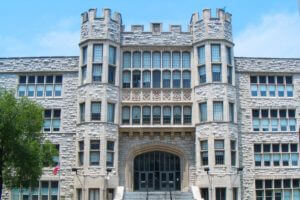 Completed in 1912 and resembling a medieval European castle, the Hume-Fogg Academic Magnet High School with its twin tower entrance is an easily recognizable Music City landmark. Designed by William Ittner, the Norman Gothic stone edifice features Tudor Gothic style ornamentation. Cut stone figures above the entrance represent fields of academic study, including literature, mathematics, science and fine arts.
Bridgestone Arena
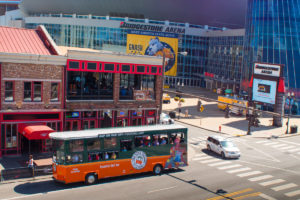 Home to the NHL’s Nashville Predators, the all-purpose Bridgestone Arena is a premiere indoor concert and event venue. In addition to hosting the annual Country Music Association Awards, the arena is also the setting for the Nashville Visitor Center and the Tennessee Sports Hall of Fame.
Tootsie’s Orchid Lounge
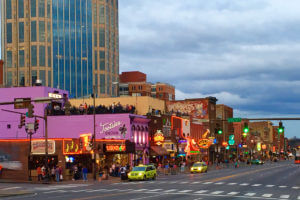 Tootsie’s Orchid Lounge boasts a unique purple hue exterior that it acquired when a painter accidentally used the color. This world-famous Lower Broadway honky tonk has launched the careers of several legendary performers including Willie Nelson. Scenes from the movie Coal Miner’s Daughter were filmed inside.
Ernest Tubb Record Shop
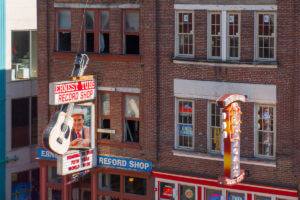 Established in 1947, the Ernest Tubb Record Shop is a one-stop retail store for a variety of country and bluegrass albums and memorabilia. The shop offers music by a wide variety of classical and contemporary artists.
Riverfront Station
Located at the end of Broadway where it intersects with First Avenue, Riverfront Station is the western terminus of the Music City Star, a regional commuter rail line. Built in 2006, the station and its post and beam architecture is a replica of a turn-of-the-century Tennessee Central Railroad train depot that previously occupied the site.
Riverfront Park
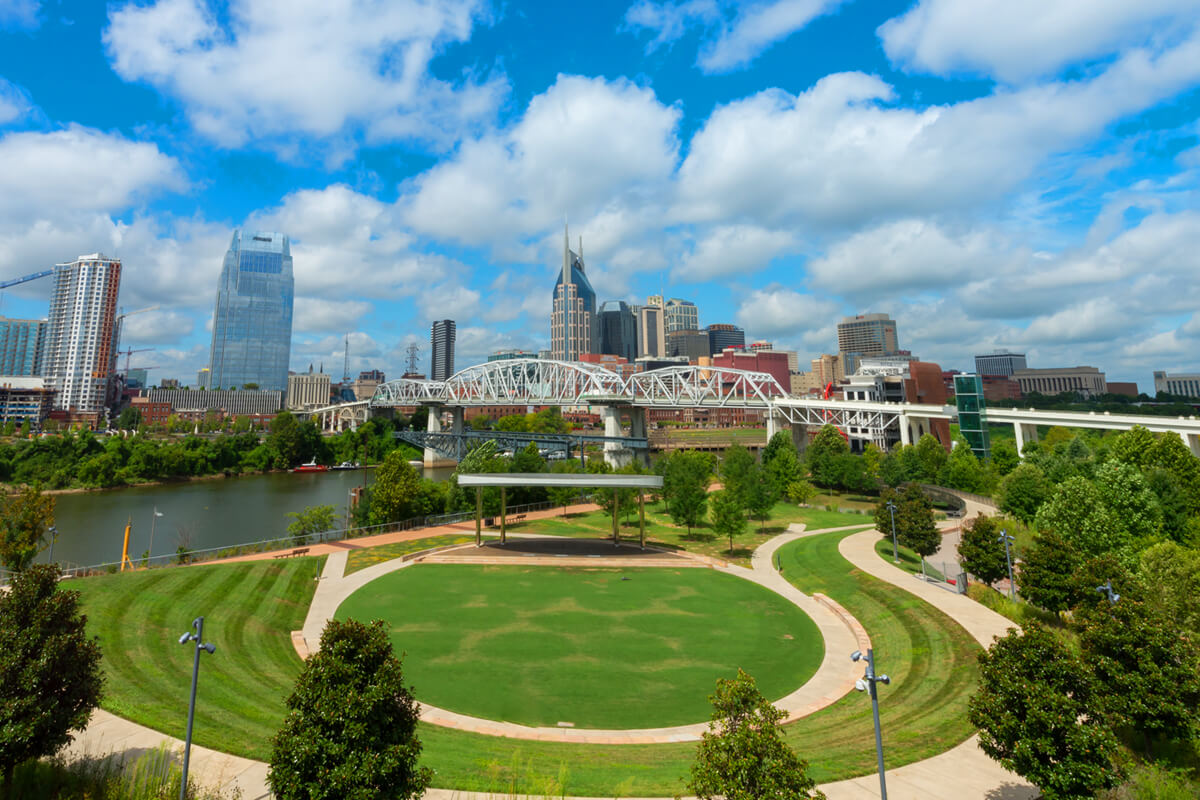
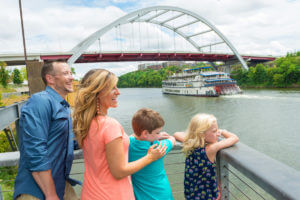 Situated at the eastern end of Broadway, Riverfront Park boasts a playground, an expanse of lawn and the Ascend Amphitheater. There is an ornamental garden, a mile-long greenway trail and a 13,000-square-foot dog park. The recreation area hosts a variety of cultural events and celebrations, including the annual Independence Day concert and fireworks display.
Additional Information
When to Visit Broadway
While you can visit Broadway any time of the year, April to October is the height of the tourist season. Since you will be walking outdoors, remember that Nashville summers can be hot and humid and winters near freezing. Spring and fall offer mild daytime temperatures and cool evenings, so dress in layers. Many of the honky tonks on Lower Broadway admit families during the day and do not enforce a 21-and-over policy until later in the evening. This allows families traveling with children to fully experience the Honky Tonk Highway together. This popular tourist destination gets more crowded with visitors and locals on weekends and as the night progresses.
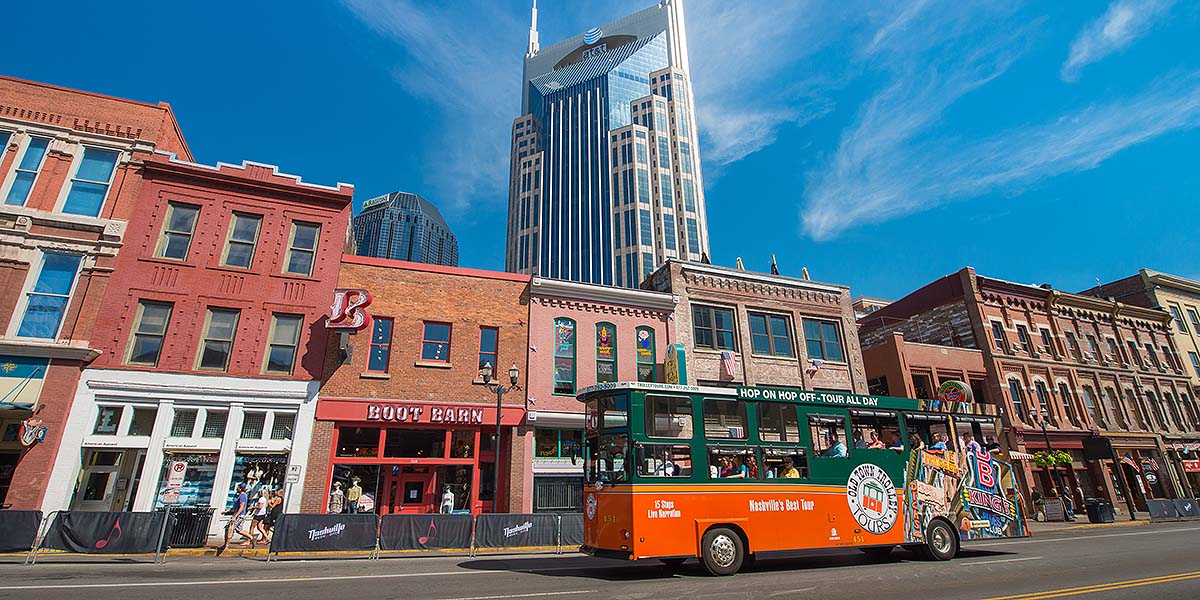
See Broadway Aboard the Old Town Trolley
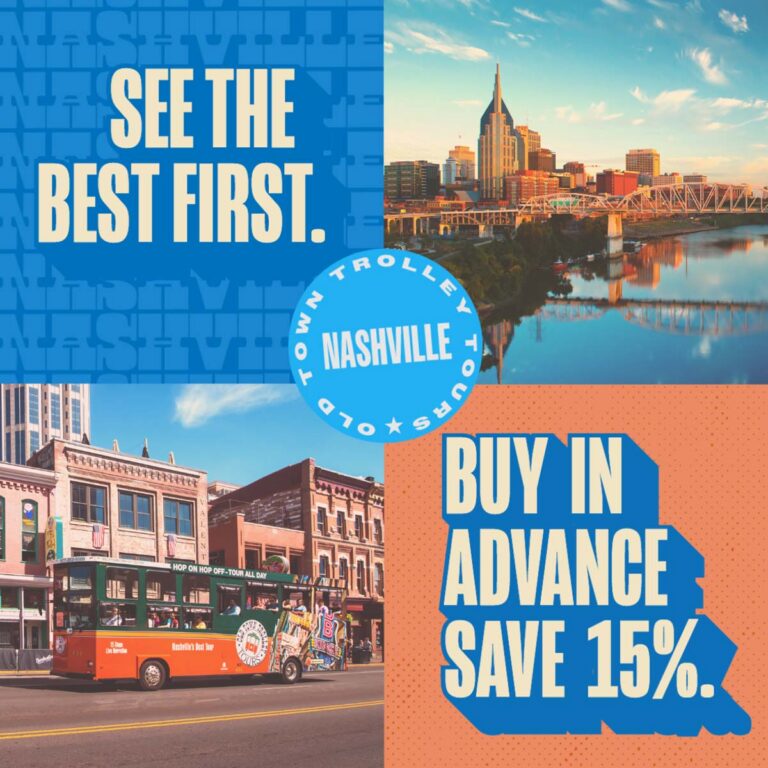
Get MORE out of your vacation in Nashville aboard the iconic Old Town Trolley and see the best first!
Rather than drive in hectic city traffic and try to find a place to park near the popular attractions on Broadway, ride the Old Town Trolley. Sit back and relax as the conductor drives to many of the popular points of interest in Nashville, including famous spots on Broadway. During the tour, listen to an entertaining narration filled with facts and little-known anecdotes about the history of Music City as well as key points of interest. Step off the trolley and explore the places that interest you based on your itinerary. When you are ready, you can climb aboard the next passing trolley to continue the tour right where you left off. Old Town Trolley is the easiest and most convenient way to see the best of Nashville and the most interesting sites on Broadway. Find the lowest price and money-saying packages by purchasing tickets direct through our website.
Things to Do Nearby
Ryman Auditorium
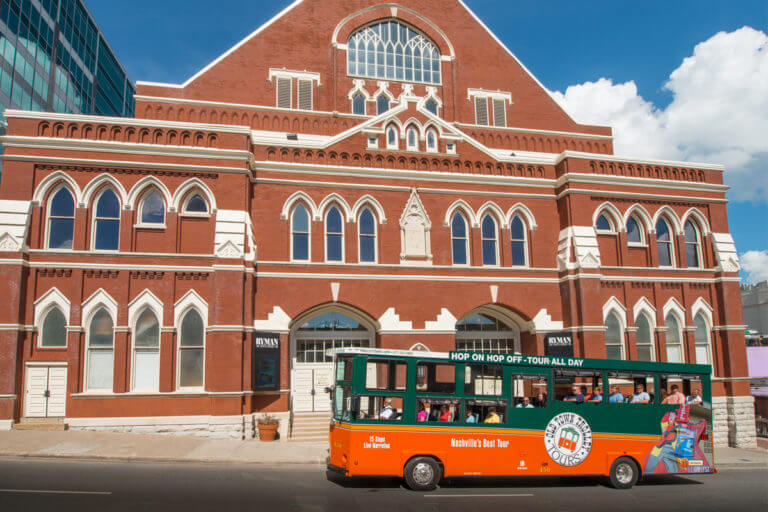
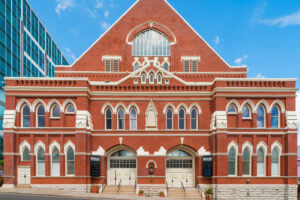 Known as the “Mother Church of Country Music,” the iconic Ryman Auditorium hosted the Grand Ole Opry for three decades. Starting life as a gospel tabernacle in 1892, the concert venue features headline acts as well as a state-of-the-art backstage tour. It was added to the National Register of Historic Places in 1971.
Johnny Cash Museum
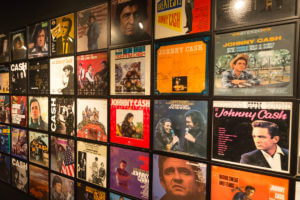 Celebrating the life and musical career of “The Man in Black,” the Johnny Cash Museum is located on Third Avenue South. Its interactive displays feature the world’s most comprehensive collection of artifacts and memorabilia related to the legacy of this international icon. Items include personal mementos, musical instruments and stage costumes.
Goo Goo Shop
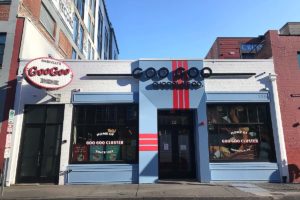 Just steps from Broadway, the Goo Goo Shop offers a variety of vintage candies as well as its signature Southern confection and Nashville-themed merchandise. Watch as these delicious clusters of milk chocolate, marshmallow, caramel and peanuts are handmade right in front of you.
FAQs
If you want a relaxed experience to tour historic spots like Tootsie’s or grab a bite without shoulder-to-shoulder crowds, visit between 10:00 AM and 2:00 PM. Live music starts as early as 10:00 AM, making mornings great for families and first-timers.
The daytime hop-on/hop-off trolley operates during daytime touring hours (typically wrapping up around late afternoon). Because nightlife on Broadway runs past 2:00 AM, you will need to rely on walking, rideshares, or taxis if you plan to stay out drinking and dancing late into the evening.
Yes, but only during the day! Most bars and honky-tonks on Lower Broadway welcome families and children during morning and afternoon hours. However, between 6:00 PM and 8:00 PM (depending on the venue), bouncers enforce a strict 21+ curfew, checking IDs at every door.
No. While Nashville is famous for its party atmosphere, city ordinances prohibit open alcohol containers on public sidewalks and streets. Alcoholic drinks purchased inside a honky-tonk or rooftop bar must stay inside or on the bar’s private property.
During the morning hours (10:00 AM – 1:00 PM), yes. However, as afternoon and evening crowds build, the sidewalks become packed, making heavy strollers difficult to maneuver. Wagons and double-wide strollers are particularly tricky to navigate through shop doorways and crowded crosswalks.
Save up
to 15%
Old Town Trolley Tour
to 15%
- Choose 1 day or upgrade to 2 consecutive days and save more!
- Hop On, Hop Off at 13 Stops Around Nashville
- Fully Narrated 1-Hour and 50-Minute Tour
- Real-Time Trolley Tracking Map
- Best Views With Stadium Seating
- Cushioned Seating
- Stories Narrated by Local Experts
- Tallest Vehicles Allowed by Law
- 100+ Points of Interest
- American Owned and Operated
- All-Weather Vehicles
- Start at Any Designated Stop
- 100% Satisfaction Guarantee
- The consumption of beer, ale, wine, or other alcoholic beverages upon or within a seated sightseeing vehicle is strictly prohibited.
- Seated sightseeing vehicle passengers must remain seated at all times when the vehicle is in operation.
Save up
to 15%
Soul of Music City Tour
to 15%
- Hear stories and original songs shared by our talented guides
- See Nashville's skyline and notable landmarks
- See the John Seigenthaler Pedestrian Bridge and breathtaking views of the city
- Learn about the diverse music genres that have been in Nashville over the years
- Hear stories about the rhythm & blues scene in Nashville
- Get the scoop on some Nashville hot spots
- The consumption of beer, ale, wine, or other alcoholic beverages upon or within a seated sightseeing vehicle is strictly prohibited.
- Seated sightseeing vehicle passengers must remain seated at all times when the vehicle is in operation.
Save up
to 15%
to 15%
SEE THE BEST OF NASHVILLE BY DAY AND NIGHT
- Day Tour:
- Hop On, Hop Off at 13 Stops Around Nashville
- Fully Narrated 1-Hour and 50-Minute Tour
- Real-Time Trolley Tracking Map
- Best Views With Stadium Seating
- Cushioned Seating
- Stories Narrated by Local Experts
- Tallest Vehicles Allowed by Law
- 100+ Points of Interest
- American Owned and Operated
- All-Weather Vehicles
- Start at Any Designated Stop
- Soul of Music City Tour:
- Hear stories and original songs shared by our talented guides
- See Nashville's skyline and notable landmarks
- See the John Seigenthaler Pedestrian Bridge and breathtaking views of the city
- Learn about the diverse music genres that have been in Nashville over the years
- Hear stories about the rhythm & blues scene in Nashville
- Get the scoop on some Nashville hot spots
- 100% Satisfaction Guarantee
- Attraction tickets do not have to be used on the same day
- The consumption of beer, ale, wine, or other alcoholic beverages upon or within a seated sightseeing vehicle is strictly prohibited.
- Seated sightseeing vehicle passengers must remain seated at all times when the vehicle is in operation.