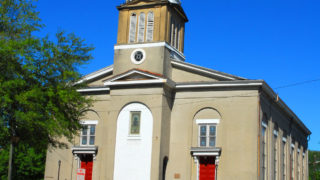



Ralph Mark Gilbert Civil Rights Museum
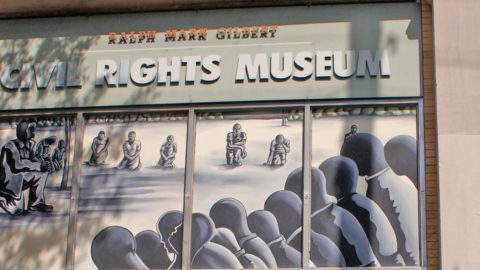
Ralph Mark Gilbert was the pastor of the historic First African Baptist Church from 1939 to 1956. He was a visionary, seeking to improve the lives and opportunities of African Americans. Recognized for his pioneering spirit, he served as a catalyst for many great changes during that era. He developed the West Broad Street YMCA in the late 1940’s and reorganized the Savannah branch of the NAACP. Under his leadership, more than forty NAACP chapters were organized by 1950 in Georgia.
-
 Admissions
 -
Entertainment
 Admissions
  Entertainment
 What Makes the Ralph Mark Gilbert Civil Rights Museum Important to Savannah History?
The Ralph Mark Gilbert Civil Rights Museum helps visitors understand a part of Savannah history that shaped the city in lasting ways. It sits in the historic district and focuses on the experiences of Savannah’s African American community during the push for equal rights. The quiet setting and clear layout make it easy for guests of all ages to follow the timeline of events.
People visit to learn how local families, churches, and leaders worked together to create change. The photos, written stories, and recreated spaces help visitors picture what daily life looked like during the movement. Many guests say the museum gives them a fuller sense of how far the city has come and why these stories still matter. It’s also close to well-known squares and homes, which makes it simple to include during a full day of exploring nearby neighborhoods, churches, and historic streets.
The Legacy Behind the Name
Who Was Ralph Mark Gilbert and How Did He Influence Savannah History?
Rev. Ralph Mark Gilbert played a major part in guiding the events that shaped Savannah history. He served as pastor of First African Baptist Church from 1939 to 1956 and became known as a calm and steady leader who cared deeply about the community. His sermons, meetings, and outreach programs helped bring people together during a time when many families were searching for guidance and support.
He reorganized the local NAACP and helped start many new chapters across Georgia. These groups gave residents a place to meet and talk about voting, fair treatment, and safer neighborhoods. Gilbert also supported the West Broad Street YMCA, which helped young people learn new skills, find mentors, and stay involved in positive activities.
One of his most important efforts focused on encouraging Black residents to register to vote. This push led to major local progress, including the city hiring Black police officers and other employees in 1947. Many see this moment as a turning point in Savannah history, since it opened doors for future generations.
The museum carries his name to honor his work and the steady guidance he brought to the city. Visitors learn about his life through photographs, written accounts, and displays that show how his actions helped shape modern Savannah.
The Core of the Museum
What Can You Learn Inside the Ralph Mark Gilbert Civil Rights Museum?
The Ralph Mark Gilbert Civil Rights Museum gives guests a clear and steady look at major moments in Savannah history. The building holds stories from the city’s African American community and explains how local efforts connected to changes across the country. Each floor highlights a different part of the timeline, which helps visitors understand how progress grew step-by-step.
Inside the museum, the photographs, letters, and written accounts feel personal and easy to follow. Many displays show how neighborhoods, churches, and local leaders worked together during difficult times. Visitors also learn how marches, meetings, and voter drives shaped laws and helped raise new voices in public life.
Groups, families, and students come throughout the year because the museum feels honest, steady, and respectful. The quiet rooms and preserved materials help people picture the events that shaped modern Savannah and why the museum remains an important part of Savannah history.
Must-See Exhibits
Which Exhibits Stand Out at the Ralph Mark Gilbert Civil Rights Museum?
Several exhibits inside the Ralph Mark Gilbert Civil Rights Museum help visitors understand the heart of the story. The bronze bust of Ralph Mark Gilbert sits near the entrance and gives guests a face to connect with the movement. It sets the tone for the rest of the visit and reminds people of the strong leadership that guided much of this work.
The museum’s ongoing exhibitions tell local stories that shaped national history, starting with a profound tribute located in the Lower Level Orientation Gallery: A Tribute to the NAACP Heroes and Sheroes. This exhibit highlights the dedicated leadership, from NAACP presidents and female trailblazers to the key figures behind the Chatham County Crusade for Voters, showing how local organizing transformed the South.
Venturing deeper into the exhibits, visitors can explore the rich history of West Broad Street: Black Business Empire. Before the Civil Rights era, this corridor was known as Savannah’s own “Black Wall Street,” a thriving center of entrepreneurship with pharmacies, movie theaters, and banks. This exhibit chronicles the rise and fall of this vital Black business district, which now serves as the powerful location for the museum itself.
The museum also celebrates specific local heroes, including the passion of the NAACP “Freedom Fighter” Earl T. Shinhoster in the dedicated Learning Center. Furthermore, visitors gain context about the immediate aftermath of the Civil War in “The Meeting” Room, which features a stunning representation of General Tecumseh Sherman’s historic meeting with 20 Black ministers in 1865, a conversation that led to the famous “40 Acres and a Mule” order.
These displays show the teamwork behind many major accomplishments and why this museum holds such a meaningful place in Savannah history.
Plan Your Visit
How Can You Prepare for a Trip to the Ralph Mark Gilbert Civil Rights Museum?
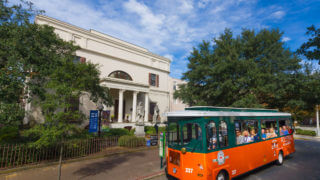
The Ralph Mark Gilbert Civil Rights Museum sits inside the historic district, which makes it easy to reach by foot or with Old Town Trolley Tours®. Many guests like starting their visit by riding the trolley to Stop 7, since the live narration helps explain nearby landmarks and adds helpful context about Savannah history before stepping inside the museum. The area around the museum is calm and walkable, with shaded sidewalks and several nearby squares to explore before or after your visit.
Once you arrive, it helps to set aside enough time to move through the three floors at a steady pace. Many visitors spend at least 90 minutes here, especially if they want to read the letters, view the photos, and watch the short features included in the exhibits. School groups, families, and history lovers often take even longer so they can talk through what they learned as they go.
The museum is also known for being a welcoming place for group visits. Troops, classrooms, and community groups often plan trips here because the exhibits work well for different ages. Staff members can answer questions and point out details that help visitors understand how each room connects to broader moments in Savannah history. Thoughtful pacing, comfortable shoes, and a little curiosity are all you need to make the most of your visit.
Why Should You Add This Museum to Your Savannah Plans?
A visit to the Ralph Mark Gilbert Civil Rights Museum adds depth and meaning to any trip through the historic district. The building holds stories that help explain how Savannah changed over time and how local leaders worked toward fairness and equal rights. These stories stay with visitors long after they leave, since they help make modern Savannah history easier to understand and much more personal.
Spending time here also helps visitors connect what they see in the museum to the places they pass on nearby streets. The photos, handwritten records, and recreated scenes show the daily experiences of families who lived through major social changes. When guests move through the museum at their own pace, the three floors create a clear picture of how the Civil Rights Movement grew in Savannah and why Rev. Ralph Mark Gilbert became such a respected leader. Anyone planning time in the city can benefit from adding this stop to their list, since it helps make the past feel close, real, and important to remember.
FAQs
Where is the Ralph Mark Gilbert Civil Rights Museum located?
The Ralph Mark Gilbert Civil Rights Museum sits inside the historic district, close to several important landmarks tied to Savannah history. Visitors often reach it by walking through nearby squares or by riding Old Town Trolley Tours, since the stop is only a short walk away. The neighborhood around the museum is filled with quiet streets that make it easy to explore the area before or after your visit. Many guests also enjoy stopping by nearby churches and historic homes, which helps create a fuller picture of the stories told inside the museum.
What exhibits are the most memorable?
The museum includes many exhibits that help visitors understand key moments in Savannah history. The fiber optic map is a favorite because it highlights dozens of locations across Georgia that played a part in the Civil Rights Movement. Another major exhibit is the recreated Azalea Room from Levy’s Department Store. This space helps visitors picture what daily life looked like when parts of the city were still separated by strict rules. The bronze bust of Ralph Mark Gilbert is also meaningful because it introduces guests to the leader whose work helped shape many of the changes shown throughout the museum.
What was Ralph Mark Gilbert’s role in Savannah history?
Ralph Mark Gilbert made a lasting impact on Savannah history through his leadership at the First African Baptist Church and his service with the local branch of the NAACP. He helped organize voter registration efforts that encouraged more residents to take part in local decisions. He also pushed for better job opportunities within the city and supported young people as they learned about leadership and community service. His work helped open doors for families who lived through a period of major change. The museum honors these efforts by sharing photos, letters, and accounts that show how his actions shaped the city.
Is the museum suitable for children?
Yes, the Ralph Mark Gilbert Civil Rights Museum works well for younger visitors. Many of the displays use simple explanations and clear photos, which help kids understand the events shown in each room. Parents and teachers often say the exhibits spark good conversations about fairness and courage. Families can move at their own pace, and staff members are friendly and ready to answer questions that help younger visitors understand the stories connected to Savannah history. The interactive features make the experience feel active without overwhelming smaller children.
How much time should I set aside for a visit?
Most guests spend between 90 minutes and two hours at the Ralph Mark Gilbert Civil Rights Museum. This timing gives visitors enough space to explore all three floors, read the written accounts, and watch the short videos that help explain major events in Savannah history. Guests who enjoy taking their time often stay longer, especially if they want to revisit certain displays or talk with staff about the stories shown throughout the museum. Planning a little extra time helps ensure you can enjoy the experience without feeling rushed.