


First Girl Scouts USA Headquarters
What Makes the Original Girl Scouts Headquarters an Important Stop?
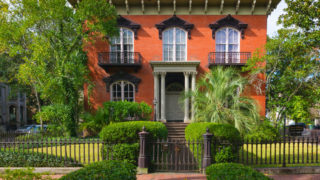
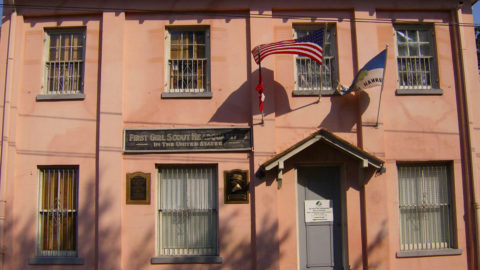
The original Girl Scouts headquarters is a special place in Savannah’s historic district and an important stop for anyone curious about American history. Visitors come to see where the early chapters of the organization began, and the quiet setting helps explain how the movement grew over time. The building sits on a peaceful street beside the Andrew Low House, which helps guests understand how closely the two sites are connected. Many people add it to their list of popular Savannah museums since it offers a clear look at the group’s early years and the role the city played in its development. A visit here introduces the mission of Juliette Gordon Low and shows how her ideas encouraged young girls to build confidence, learn new skills, and support each other.
The Origin and Purpose of the First Headquarters
How Did the Girl Scouts Headquarters Begin?
The story of the Girl Scouts headquarters starts with Juliette Gordon Low and her hope to create a strong place where girls could grow and learn. The building first served as a carriage house on the Andrew Low estate. It sat close to the main home and supported the busy work of the property. Juliette cared deeply about its future, and she arranged for it to be given to the Girl Scouts of the USA when she passed away in 1927. Her choice helped the group create a real home for meetings, lessons, and planning.
The headquarters soon became a lively center for troop gatherings. Girls met here to practice skills, work on projects, and spend time together. Leaders also used the rooms to plan activities and guide troops through each season. Adult training took place in the space as well, and this steady use helped the building become an important part of the organization’s early history. This long period of activity is one reason the site continues to hold a strong place among well-known Savannah museums today.
The national offices later moved in the mid-1980s as the organization grew. After the move, the building was restored and reopened as a museum in January 1996. Visitors, families, and Girl Scout troops now come to learn how the movement began and how this small carriage house supported its earliest steps.
Architectural Features of the Historic House
What Can You Notice About the Building’s Design?
Many visitors enjoy seeing how the Girl Scouts headquarters fits with the rest of the Andrew Low estate. The two buildings sit close together inside the historic district and share the same quiet charm found in this part of Savannah. The carriage house layout shows wide entry areas where carriages once came through, and the brick and wood details match the style used across much of 19th-century Savannah. These features help guests picture how the estate once worked and how people moved through the space in daily life.
People who enjoy architecture often point out the simple and useful layout. The preserved rooms show how the building once supported daily work and later served troop meetings and office tasks. Visitors can pause in each room to look at doorframes, flooring, and windows that reflect the original design choices. The restored areas help guests imagine how the early Girl Scouts gathered inside to plan, learn, and talk about new projects. These details give the site an important role in the larger group of Savannah museums and help explain why so many people include it on their visit.
The preservation work keeps the building’s history clear and easy to understand. Walking through the space lets guests see how the structure changed over time while still holding the early Girl Scout story in a very real way.
Interactive Experiences at the Girl Scouts Headquarters
What Can You Explore Inside the Girl Scouts Headquarters Museum?
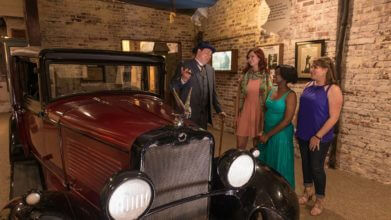
The Girl Scouts headquarters now works as an active museum where visitors can explore stories that shaped the organization. Staff members welcome guests inside the former carriage house and help explain how the movement grew from a small group in Savannah into a national program. The layout is simple to follow, and each room highlights a different part of the story, which helps visitors understand how the early programs formed and changed.
The main exhibits feature uniforms, badges, photographs, and letters that belonged to Juliette Gordon Low and the first generations of Scouts. Featured are the early handbook displays and the items that show how girls learned outdoor skills, leadership, and community service. Younger visitors often spend extra time at the interactive learning stations, where they can read short stories, match objects, or explore simple activities that reflect the early days of the group. Some stations even include replicas of early tools and materials, giving kids a fun way to picture life during that period.
The museum also hosts workshops and educational programs that help current Girl Scouts connect with the group’s history. Troops can plan special activities that encourage teamwork and creativity, and families often enjoy the hands-on displays that make the museum feel lively. Seasonal programs and rotating activities keep the experience fresh for returning visitors. These experiences help the site stand out among other Savannah museums and show why the Girl Scouts headquarters remains an important cultural stop for visitors of all ages.
Planning Your Visit
How Can You Make the Most of Your Trip to the Girl Scouts Headquarters?
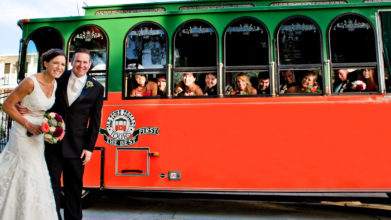
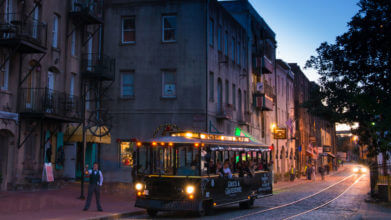
The Girl Scouts headquarters is located in the center of Savannah’s historic district, which makes it easy to include in a day of sightseeing. Many guests prefer Old Town Trolley Tours® because the route passes close to the museum and offers live narration from friendly and knowledgeable guides. The hop-on, hop-off system helps travelers reach other Savannah museums without worrying about parking or long walks.
Most guests spend an hour or more inside the museum, especially if they enjoy reading the detailed displays or learning about early troop life. Many visitors also plan a stop at the Andrew Low House next door, since the two sites share important ties to Juliette Gordon Low. If you enjoy history, you can continue your day by visiting nearby sites such as the Telfair Academy or the Jepson Center, which are also popular Savannah museums.
Why Should You Add the Girl Scouts Headquarters to Your Savannah Trip?
A visit to the Girl Scouts headquarters gives you a close and personal look at a story that helped shape young leaders for more than a century. The quiet rooms and preserved details help you picture how early meetings may have felt when local troops gathered, learned new skills, and planned service projects that reached far beyond Savannah. Many visitors say the building feels warm and familiar, almost like stepping into a space that still carries the spirit of its earliest members.
The location also fits naturally into any day spent exploring Savannah museums. You can walk from one gallery or historic home to another and easily add this stop without changing your plans. The museum team keeps the experience simple and friendly, which helps families, school groups, and solo travelers feel comfortable as soon as they step inside. There is time to move at your own pace, read about important moments in Girl Scout history, and enjoy the small artifacts that help tell the story.
Spending time at the Girl Scouts headquarters gives your Savannah trip a deeper layer. It connects you with a real person, Juliette Gordon Low, whose work still reaches people across the country. The museum offers a calm setting that helps you slow down and enjoy a different side of the city.
FAQs
Is the original Girl Scouts headquarters open to the general public?
Yes. The Girl Scouts headquarters is open to visitors throughout the year, and the staff keeps the atmosphere welcoming for guests of all ages. People often stop in even if they are not connected to a troop, since the space offers an easy way to learn about local history without feeling rushed. The museum layout is simple to follow, and the displays help first-time visitors understand how the organization grew in Savannah. Many travelers pair this stop with nearby Savannah museums since everything is close together and easy to explore on foot.
How long did the building serve as the official Girl Scouts headquarters?
The building became the Girl Scouts headquarters in 1927 and remained active for many decades. During those years, it held meetings, lessons, leadership training, and planning sessions that helped shape the early direction of the group. When administrative work later moved to a new site, the original building was restored so visitors could learn from its past. Today it remains a meaningful stop among Savannah museums because it still reflects the organization’s early mission and the community that supported it.
Is this the same location as Juliette Gordon Low’s birthplace?
No. The Girl Scouts headquarters is different from her birthplace. The building she willed to the organization sits beside the Andrew Low House, where she lived as an adult. Her birthplace is located nearby and is a separate landmark with its own exhibits and guided tours. Many visitors enjoy seeing both locations on the same day since each one shares a different part of her life and helps explain how the movement began. This cluster of important sites adds extra value to the network of Savannah museums in the area.
What other Savannah museums are close to the Girl Scouts headquarters?
The headquarters sits within easy walking distance of several well-known Savannah museums. The Telfair Academy features classic art from the 19th-century, while the Jepson Center focuses on contemporary pieces and hands-on displays for younger visitors. The Ships of the Sea Maritime Museum highlights coastal stories, ship models, and historic artifacts tied to Savannah’s port. These locations are all connected by shaded sidewalks and quiet squares, making it simple to plan a full day of museum visits without needing transportation.
Does the museum still host troop activities today?
Yes. The Girl Scouts headquarters continues to offer programs for troops, including workshops, history lessons, and activities that teach leadership skills. These sessions help current members see how the movement began and understand the values that guided early troops. Families visiting on their own can also enjoy the interactive exhibits that explain key moments from the organization’s early years. The museum remains a popular stop among Savannah museums because it provides learning opportunities that feel personal, clear, and inspiring for both children and adults.