

A Guide to the Boston Harborwalk
Why Is the Boston Harborwalk One of Boston’s Most Unique Walks?
The Boston Harborwalk stretches for more than 40 miles, running from Charlestown down to Dorchester. It links neighborhoods, parks, museums, piers and historic wharves into a continuous path along the shoreline. A walk here brings you right to the water’s edge where Boston’s maritime story unfolded, from Revolutionary War events to the growth of shipping and trade that built the city’s economy. Today, the Harborwalk still reflects that layered past while showcasing the city’s modern side. Every turn highlights how central the waterfront has always been to the city’s identity.
A Guide to the Boston Harborwalk
What Are the Must-Visit Sites Along the Harborwalk?
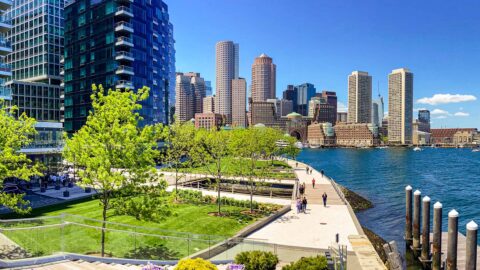
A popular starting point is Christopher Columbus Park, where a leafy trellis and wide lawn open directly onto the harbor. Families, joggers and travelers gather here year-round to enjoy the views. From there, Fan Pier in the Seaport offers wide walking paths, large-scale public art and one of the city’s most striking skyline views, especially when the sun goes down and the lights reflect off the water. Over in East Boston, Piers Park feels more relaxed, with landscaped gardens, play areas and walking paths that face back toward downtown, offering a reminder of how the harbor ties the city’s neighborhoods together.
At Independence Wharf, the observation deck brings a sweeping panorama that takes in both Boston’s historic waterfront and the working port still active today. History is visible at every turn. Old wharves and interpretive signs recall the days when shipping, fishing and immigration centered on this stretch of water. Just steps away, the Boston Tea Party Ships & Museum® offer a direct link to one of the defining moments of the American Revolution. Together, these stops show how the Harborwalk combines natural views with history, turning a simple walk into an experience that feels connected to Boston’s past and present.
What Are the Best Bites Along the Boston Harborwalk?
Walking the Boston Harborwalk works up an appetite, and the route is lined with food stops that highlight both tradition and creativity. The Boston Sail Loft, tucked on the edge of Commercial Wharf, has been a local mainstay since the 1980s. It’s best known for serving one of the city’s most generous bowls of clam chowder, packed with clams and potatoes, in a casual space where the views of the harbor are part of the charm. Many visitors pair the chowder with fried seafood or a plate of shrimp scampi, simple dishes that have kept regulars coming back for decades.
A short walk away, Rowes Wharf Sea Grille sits under the arch of the Boston Harbor Hotel. Here, white-tablecloth service meets the bustle of the waterfront. Fresh seafood anchors the menu, from lobster tails to tuna tartare, and the outdoor patio looks directly over Boston Harbor, making it a favorite spot for both leisurely lunches and evenings when the skyline lights up. The hotel’s history as a gateway for travelers adds to the setting, reminding diners that this has long been a point of arrival on the city’s waterfront.
On Liberty Wharf, 75 on Liberty Wharf delivers a different mood. It’s smaller and more intimate, with warm wood interiors and big windows that frame the water. The menu leans into New England flavors, offering everything from lobster rolls to hearty comfort dishes that feel right at home on a brisk day by the water. In the summer, the patio fills quickly, as the restaurant offers one of the best angles for watching boats move in and out of the harbor.
Just inland from the walkway, Trillium Brewing Company’s Fort Point location has become a gathering place for beer lovers. Known for hazy New England IPAs and creative seasonal brews, the brewery also features a spacious outdoor patio where you can linger after a long stroll. Along with beer, Trillium often partners with local food trucks, so visitors can sample everything from wood-fired pizza to tacos while enjoying the casual setting. Between the food, drink and atmosphere, each stop adds its own flavor to a day on the Boston Harborwalk.
What Tours Let You Experience the Boston Harborwalk and Beyond?
Exploring the Boston Harborwalk pairs perfectly with tours that bring even more context to the waterfront. A seafood tasting and history tour is a popular choice, weaving stories of Boston’s maritime past with stops for oysters, chowder and other local specialties. It’s part meal, part walking lesson, and gives you a sense of how the harbor has always shaped the city’s culture.
Harbor cruises offer another perspective. Daytime sailing highlights Boston’s skyline, the busy shipping lanes and historic islands that dot the harbor. Evening cruises slow things down, with the glow of the city reflected in the water and often live music or commentary to frame the experience.
For a more independent option, self-guided audio tours let you walk at your own pace along the Boston Harborwalk while hearing stories tied to the buildings, piers and neighborhoods around you. They’re a good way to connect the scenery with the city’s layered history.
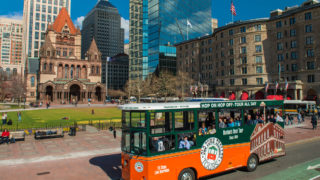
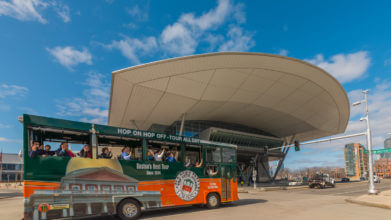
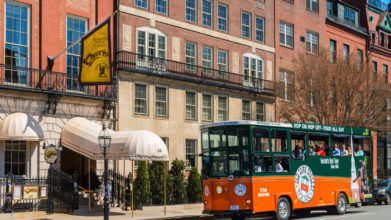
Old Town Trolley tours also connect directly to the waterfront. With hop-on, hop-off service, it’s easy to move between Harborwalk spots like Faneuil Hall, Boston Common and the North End while enjoying live narration from knowledgeable guides who keep the ride lively and informative.
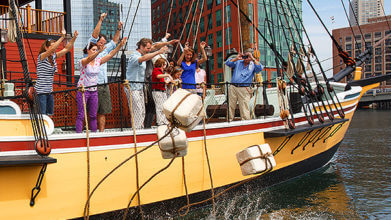
At Fort Point Channel, the Boston Tea Party Ships & Museum® bring you onto fully restored vessels where costumed interpreters reenact the night colonists dumped chests of tea into the water. Interactive exhibits and multisensory experiences give a vivid look at the moment Boston Harbor became the stage for revolution.
Ghosts & Gravestones® adds a darker edge to the night. Aboard the Trolley of the Doomed, a ghoulish cast of characters shares the city’s most unsettling tales. Stories of executions in Boston Common, unexplained activity at the Omni Parker House and the chilling legend of the Boston Strangler are told along the way. The tour even stops at King’s Chapel Burying Ground, where you’ll learn about Ephraim Littlefield and his grisly trade in human remains. Together, these tours expand what the Boston Harborwalk offers, turning a simple walk into an unforgettable journey through food, history and folklore.
Why Does the Boston Harborwalk Matter to the City?
The Boston Harborwalk connects neighborhoods, blends historic landmarks with modern sites and offers a shared shoreline for locals and visitors. Walking the path, you see how Boston has grown around its harbor, from Colonial wharves to contemporary parks and piers. It’s a place where people come to exercise, enjoy fresh seafood, tour historic ships or simply sit and watch the water. The sounds of seagulls, the smell of salt air and the steady activity of ferries and sailboats remind you that Boston has always been a seaport at heart. Few cities in the country have preserved their waterfront in such an open and accessible way. Exploring the Boston Harborwalk means stepping into the city’s past while enjoying its present, and it remains one of the best ways to understand how Boston and its harbor continue to shape each other.
FAQs
How long is the Boston Harborwalk?
The Boston Harborwalk stretches for more than 40 miles, making it one of the longest continuous public waterfront paths in the United States. It begins in Dorchester and runs through neighborhoods like North End, Charlestown, East Boston and the Seaport before continuing toward South Boston. Each section highlights a different side of the city, from working shipyards to quiet parks, and you can explore at whatever pace you like. The full length gives you the chance to see the harbor from many different perspectives, whether you want to spend a short afternoon in one neighborhood or devote several days to experiencing the entire Boston Harborwalk.
What’s the best way to get to the Harborwalk?
Because the Boston Harborwalk winds through so many neighborhoods, it’s accessible from a variety of starting points. The MBTA subway system makes it easy to reach sections near the North End, aquarium and Seaport, and commuter ferries connect directly to the waterfront. Driving is possible, but parking can be limited, so many people prefer public transit. If you’re staying downtown, you can even reach certain stretches on foot from major hotels or historic landmarks. Planning your route around public access points and nearby attractions is the easiest way to enjoy the Boston Harborwalk without worrying about traffic or finding a spot to leave your car.
Is the Harborwalk accessible for people with disabilities?
Yes, much of the Boston Harborwalk is designed to be accessible, with paved pathways, ramps and seating areas along the route. Because it connects parks, piers and cultural sites, accessibility can vary in certain historic areas, but the city continues to improve access with signage and updated pathways. Many sections, particularly in the Seaport, around Christopher Columbus Park and along Fan Pier, are wide, flat and welcoming to wheelchairs and strollers. Seasonal amenities like benches and rest areas also make it easier to take breaks. These improvements ensure the Boston Harborwalk remains a place that truly serves the entire community and invites people of all abilities to share in the experience.
Does the Harborwalk connect to other famous Boston trails?
The Boston Harborwalk isn’t just a waterfront path, it’s also part of a larger network of historic and recreational trails. In the downtown area, you can step directly from the Harborwalk onto the Freedom Trail, which highlights Boston’s Revolutionary War landmarks. Other connections include neighborhood greenways, bike paths and park systems that expand your walking options even further. Because of these links, many visitors use the Boston Harborwalk as a base for exploring both the waterfront and the city’s interior. This connection between land and sea has always been a defining feature of Boston, and the Harborwalk makes it easy to see how closely tied the two remain.
How can I find the best starting point for my walk?
The best starting point depends on what you’d like to experience. For history, begin near the Boston Tea Party Ships & Museum® or Faneuil Hall, both of which connect easily to the Boston Harborwalk. If you want skyline views, Fan Pier and the Seaport offer some of the most striking perspectives, with open spaces that are perfect for photos. For a quieter setting, East Boston’s Piers Park is a great choice, offering tree-lined walkways and playgrounds with views across the water. No matter where you begin, maps are available online and at visitor centers, helping you plan a route that highlights the parts of the Boston Harborwalk that most interest you.