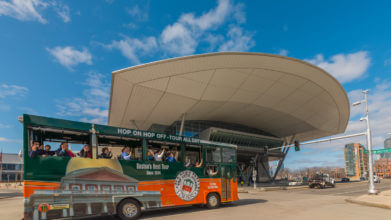
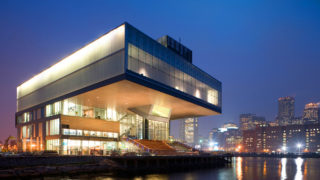
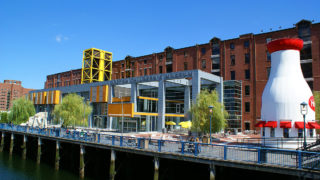
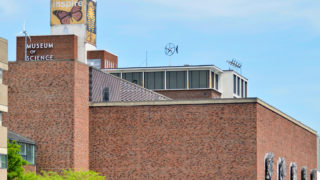
The M.I.T. Museum is a window into the world of some of the latest and most exciting research at MIT. Visitors can explore over 150 years of education and research in the forefront of science, engineering, and technology. Located at 265 Massachusetts Avenue, the Museum presents an exciting array of exhibitions, covering everything from artificial intelligence and oceanography, to architecture, three-dimensional holograms, and the world’s largest collection of the much loved kinetic sculptures by Arthur Ganson.
Approximate Time to Allow: 2 hrs
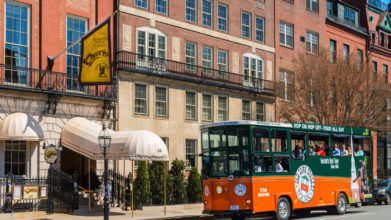
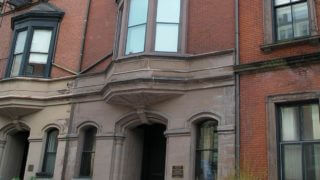
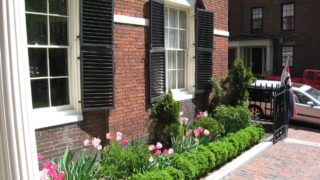
The Gibson House offers visitors a glimpse into 19th century living in Boston’s Back Bay. As one of the Back Bay’s first residences, the Gibson House was built in the mid-19th century and remains the unspoiled residence of a well-to-do Victorian Boston family. Kitchen, scullery, butler’s pantry, and baths, as well as formal rooms and personal quarters are filled with the Gibsons’ original furniture and personal possessions. Located on 137 Beacon Street, between Arlington and Berkeley Streets, Boston.
4 Stop 4 $
The Sports Museum is located on the 5th and 6th floors of the TD Garden. This Boston attraction features exhibits organized by sport, including hockey (Boston Bruins, Hartford Whalers, and Olympics), basketball (Boston Celtics), football (New England Patriots), and baseball (Boston Red Sox). Concourse galleries also feature boxing, rugby, soccer and artifacts from the Boston Marathon. The museum has life-size statues of Carl Yastrzemski, Bobby Orr, Larry Bird, and Harry Agganis, an old Boston Garden hockey penalty box, and thousands of other items.
9 Stop 9 $
Boston Children’s Museum is the second oldest and one of the most influential children’s museums in the world. For over 100 years it has been engaging children in joyful discovery experiences that instill an appreciation of our world, develop foundational skills, and spark a lifelong love of learning. The Museum’s exhibits and programs emphasize hands-on engagement, learning through experience, and employing play as a tool to spark the inherent creativity, curiosity, and imagination of children. Designed for children and families, Museum exhibits focus on STEAM (Science, Technology, Engineering, Arts, Math), environmental awareness, and health & fitness.
Boston Children’s Museum - More Info
9 Stop 9 $
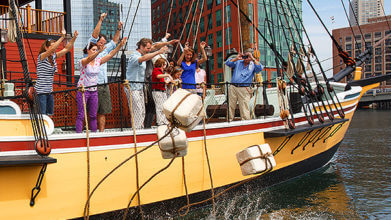
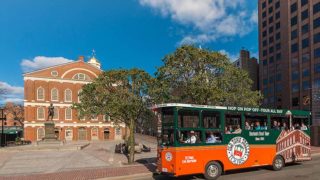
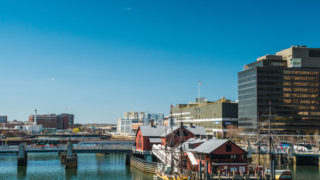
Located on the Congress Street Bridge, the Boston Tea Party Ships & Museum is an interactive, high tech, floating museum. Unlike anything you’ve ever experienced before, this unique museum sits on a barge in the water, includes tours on restored tea ships and a stunning, interactive documentary that immerses you into the events that led up to the American Revolution. Touch, feel, see and hear what the patriots felt when their passions and angers flared at the injustice of taxation without representation. Participate in multi-sensory exhibits, witness dramatic reenactments by professional actors and historians and discover the true story behind the Boston Tea Party.
Boston Tea Party Ships & Museum - More Info
6 Stop 6 open Mon-Sat from 10am-4pm $
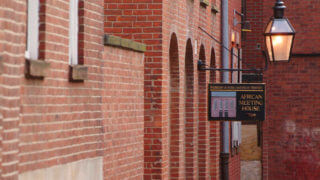
The Museum of African American History is New England’s largest museum dedicated to telling the story of organized black communities from the Colonial period through the 19th century. A variety of exhibits, programs, events and educational activities are presented that showcase the stories of black families – from how they lived, educated their children, worshiped, worked, created artwork and how they organized politically to advance the cause of freedom. Located within the African Meeting House, which is the oldest African Meeting House in America and inside the Abiel Smith School, which was the first building in the country constructed for the sole purpose of housing a black public school, the buildings themselves are a big part of the rich heritage and incredible past of the African Americans in New England.
Museum of African American History - More Info
11 Stop 11 $
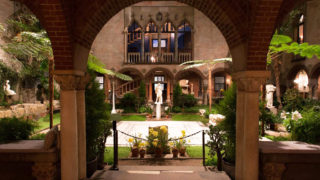
Isabella Stewart Gardner, a patron of the arts, established the museum in 1903 when her own property on Beacon Hill became too small for her growing collection. The Isabella Stewart Gardner Museum was designed as a replica of the 15th century Venetian style palazzo. Because Gardner disliked the cold, impersonal experience that museums usually offer, she chose the palazzo-style, a design which provides natural light and garden views. The museum, a must-see Boston attraction, features three floors of galleries surrounding a garden courtyard. The collection includes paintings, sculpture, tapestries, furniture, and decorative arts spanning 300 years, from locations around the world.