

Washington DC
SELECT CHANGE
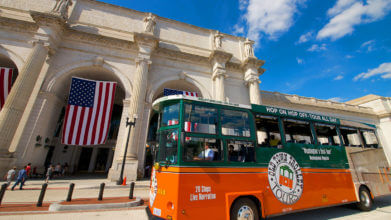



Visiting D.C.’s National Museum of Women in the Arts
Plan your visit to the National Museum of Women in the Arts in Washington, D.C. and view works by pioneers from the past and present in a historic setting. The museum is dedicated to women artists from around the world, with galleries that highlight painting, sculpture, photography, and contemporary works.
Visitors can walk through carefully curated exhibitions, attend talks and programs, and learn about the impact of women in the arts across different periods. Located near major landmarks, it offers a meaningful stop for anyone interested in art, culture, and history during their time in the nation’s capital.
What Makes the National Museum of Women in the Arts Unique?
The National Museum of Women in the Arts is the only major museum in the world completely dedicated to women and nonbinary artists. Its mission is to give lasting recognition to artists whose work hasn’t always received the attention it deserves. Inside, you’ll find paintings, sculptures, photographs and mixed-media pieces spanning centuries, from the 16th century to today.
The museum sits inside a former Masonic Temple built in 1908, and the building’s history is just as compelling as the art inside. With marble details, soaring ceilings and a grand staircase, it’s a striking example of early 20th-century architecture. The transformation feels especially meaningful since a space that once excluded women now celebrates their creative achievements. As you move through the galleries, the historical character blends seamlessly with a warm, welcoming atmosphere.
How Did the National Museum of Women in the Arts Begin?
The idea for the National Museum of Women in the Arts began in the 1970s when Wilhelmina Cole Holladay and her husband Wallace discovered a still life by 17th-century artist Clara Peeters while traveling in Europe. When they returned home, they realized women artists were barely mentioned in major art history books at the time, including the widely used History of Art by H.W. Janson. Motivated to change that, they began collecting works by women and eventually built a collection of about 500 pieces by roughly 150 artists.
In November 1981, the Holladays formally incorporated the museum as a private nonprofit and began offering tours of their collection in their own home. By 1983, they purchased the historic Masonic Temple at 1250 New York Avenue NW, a Neoclassical/Classical Revival-style building that had originally excluded women from membership. The symbolism of this new purpose was hard to miss.
After extensive renovations, the museum officially opened on April 7, 1987, with its first exhibition, “American Women Artists, 1830–1930,” curated by Dr. Eleanor Tufts. The opening collection included thousands of works, and today the museum holds more than 6,000 pieces by over 1,000 artists. In 2021, it began its largest renovation yet, adding gallery space, a new Learning Commons, enhanced visitor accessibility and updated facilities. After two years of work, the National Museum of Women in the Arts reopened in October 2023 following a $66–68 million transformation
What Can You See and Do at the National Museum of Women in the Arts?
The museum’s permanent collection features more than 6,000 works spanning from the 16th century to today, created by over 1,000 artists from around the world. One of its most treasured pieces is the only Frida Kahlo painting on public display in D.C., “Self-Portrait Dedicated to Leon Trotsky” (1937). Kahlo painted it shortly after her brief relationship with Trotsky, weaving in both personal sentiment and political symbolism. Another standout is Les Trois Grâces by Niki de Saint Phalle, a bold, colorful sculpture celebrating joy and resilience.
The galleries are arranged into thematic displays such as “Herstory,” “Body Language” and “Natural Women,” each offering a unique lens for exploring the art. Visitors can also spend time in the Betty Boyd Dettre Library and Research Center, which houses over 18,500 volumes, archives and research files focused on women in the arts. Public programs include drop-in guided tours most afternoons at 2 p.m., special Wednesday tours at noon and private group tours available by reservation.
How Do You Get to the National Museum of Women in the Arts?
The National Museum of Women in the Arts is located at 1250 New York Avenue NW, Washington, D.C., 20005, right in the heart of downtown. It’s easy to reach whether you’re using public transit, walking or making it part of your day aboard Old Town Trolley.
- Metro: The closest station is Metro Center, served by the Red, Blue, Orange and Silver lines. Gallery Place–Chinatown, on the Red, Green and Yellow lines, is also within walking distance.
- Metrobus: Nearby stops serve multiple routes, including D30, D32, D34, D60, D6X, C57, D20, D2X, D24, D94, D10, D70, D72, D74 and D96.
- Parking: Street parking can be hard to find. Reserving a spot through SpotHero for discounted garage parking downtown is often the easiest option.
What Should You Know Before Visiting the National Museum of Women in the Arts?
A little preparation can make your visit even more enjoyable. Plan for at least one to three hours if you want to explore the galleries at a comfortable pace and still have time for the library or programs. Photography is welcome, but only with natural light and without tripods or bulky gear. The National Museum of Women in the Arts may limit photography during certain exhibits to protect the works on display. Guests are asked to follow basic conduct rules, which include no shouting, running or eating food unless needed for medical reasons. Bag restrictions and stroller guidelines are also in place to help protect the artworks and ensure visitor safety.
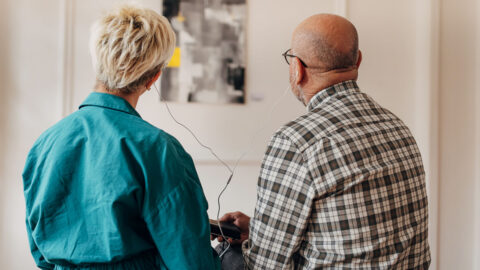
The museum is family-friendly, with a Nursing Lounge on the fourth floor and changing tables in every restroom. Accessible elevators and stroller-friendly spaces make it easy for everyone to move through the galleries. Free audio guides or “See for Yourself” activity cards may be available to help you get even more out of your visit. Check ahead for café and shop hours, as the café is sometimes closed.
When Is the National Museum of Women in the Arts Open and How Much Are Tickets?
The National Museum of Women in the Arts is open Tuesday through Sunday from 10 a.m. to 5 p.m. On the third Wednesday of each month, hours extend to 8 p.m. The museum is closed on Thanksgiving, Christmas and New Year’s Day.
Admission is $16 for adults and $13 for D.C. residents and visitors aged 70 and older. Members, guests 21 and under, and persons with disabilities receive free entry. Free admission is also offered to all visitors on the first Sunday and second Wednesday of each month. These options make the National Museum of Women in the Arts easy to enjoy for both locals and visitors. For the most up-to-date information on hours, programs and ticket availability, check the museum’s official website
What Can You See Nearby?
The National Museum of Women in the Arts is surrounded by some of D.C.’s most popular and meaningful sites, making it easy to plan a full day of exploring. The National Mall is close by and offers sweeping green lawns surrounded by historic monuments, memorials and some of the city’s most visited museums. Just a short ride away, Georgetown Waterfront Park provides a relaxing spot to stroll along the Potomac River, watch boats glide past or enjoy a picnic with a view. The International Spy Museum invites you to uncover the world of espionage through interactive exhibits, real spy gadgets and stories from famous intelligence operations. The Martin Luther King Jr. Memorial stands as a moving tribute to his leadership in the Civil Rights Movement, framed by cherry trees and set along the Tidal Basin. A visit to the Smithsonian National Museum of Natural History lets you step into the world of dinosaurs, sparkling gemstones and fascinating wildlife all under one roof.
Why Add the National Museum of Women in the Arts to Your D.C. Plans?
Visiting the National Museum of Women in the Arts offers a rare chance to immerse yourself in the creativity and vision of women from across centuries and cultures. The museum’s exhibitions bring together paintings, sculptures, photography and mixed media in ways that inspire and challenge visitors. The setting itself is beautiful, with thoughtfully curated galleries and inviting spaces that encourage you to slow down and connect with each piece. Pair your visit with a walk through nearby neighborhoods or other attractions for a well-rounded day in the city. By the time you leave, you’ll have seen one of DC’s cultural treasures and gained a deeper appreciation for the important role women have played in shaping the art world.
FAQs
What is the National Museum of Women in the Arts known for?
The National Museum of Women in the Arts is celebrated for being the only major museum in the world dedicated solely to championing the achievements of women artists. Its collection spans more than 6,000 works, covering everything from Renaissance portraits to bold, contemporary installations. Visitors are drawn to its unique mix of historic and modern art, as well as the compelling stories behind the creators. Exhibits often highlight overlooked or underrepresented artists, offering new perspectives on art history. It is a place that not only displays world-class art but also advocates for the recognition and inclusion of women in the arts on a global scale.
What are the top things to see at the National Museum of Women in the Arts?
Highlights include the only Frida Kahlo painting on display in Washington, D.C., “Self-Portrait Dedicated to Leon Trotsky,” which draws admirers from around the world. You will also find standout pieces such as Les Trois Grâces by Niki de Saint Phalle and a rotating selection of thematic exhibitions like “Herstory” and “Natural Women.” The museum’s ornate Great Hall is worth a pause for its stunning architecture, and the Betty Boyd Dettre Library and Research Center offers a treasure trove of art books, archives and research materials. The variety ensures that each visit reveals something new and memorable.
Is the museum suitable for kids and families?
Yes, the National Museum of Women in the Arts can be a rewarding experience for children and families. While some exhibits are best appreciated by older kids or teens, the museum offers engaging ways to spark curiosity in younger visitors. Many galleries feature colorful, bold works that can easily capture a child’s imagination, and activity cards or audio guides can help make the visit interactive. The museum’s manageable size also makes it less overwhelming for families, and amenities like stroller-friendly access and a Nursing Lounge make it more convenient for parents. Visiting with kids is also a great opportunity to introduce them early to diverse voices in art.
How long does it take to tour the National Museum of Women in the Arts?
Most visitors spend between one and three hours exploring the National Museum of Women in the Arts, depending on how deeply they engage with each exhibit. If you take advantage of the public tours, browse the library or spend extra time with special exhibitions, you may want to plan for the longer end of that range. The museum’s layout makes it easy to move at your own pace, so you can enjoy a focused visit or turn it into an extended afternoon. Pairing your tour with a nearby café stop or another D.C. attraction makes for a complete and enjoyable outing.