
Washington DC
SELECT CHANGE
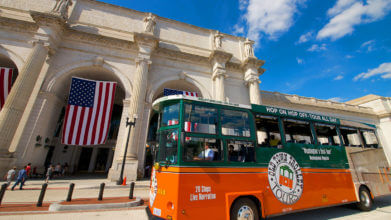
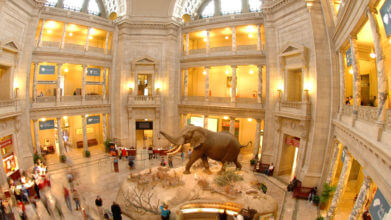
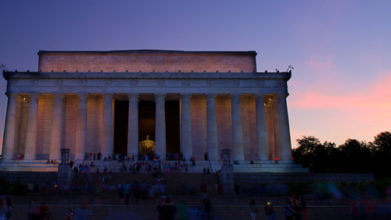

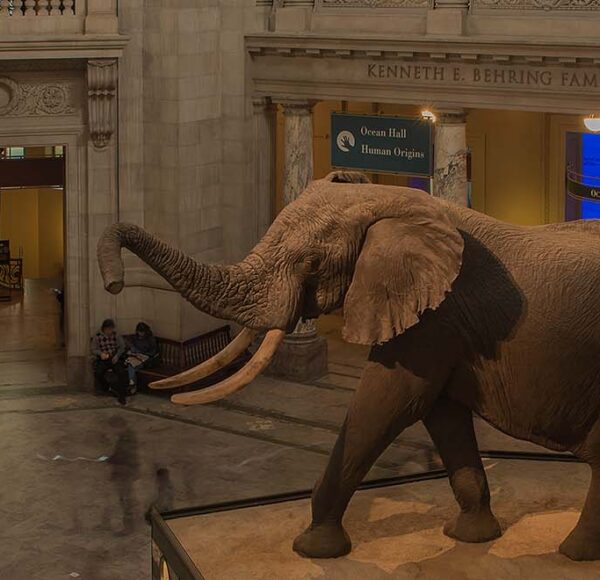



From the mysteries of the Hope Diamond to the towering skeletons of prehistoric giants, the Smithsonian’s National Museum of Natural History brings the wonders of the world to life. Step inside and discover why millions of travelers visit each year to get an up-close look at nature’s most fascinating and beguiling specimens.
The World’s Largest Natural History Collection
Spanning 1.5 million square feet, the museum houses a staggering collection of over 126 million specimens. Explore and discover the intricacies of the natural world, feed a real tarantula and witness the living history of various species. From interactive exhibits to tours, educational programs and fascinating demonstrations, the museum is one of the most thrilling experiences in the National Mall.
Visiting the Smithsonian National Museum of Natural History with Old Town Trolley Tours
The most efficient and stress-free way to visit the Smithsonian National Museum of Natural History is with Old Town Trolley Tours. Our essential hop-on, hop-off service includes a designated stop located directly near the museum on the National Mall, ensuring immediate access to world-famous exhibits. Old Town Trolley Tours provides seamless, expert-narrated transportation so you can spend less time looking for parking and more time seeing national treasures like the Hope Diamond and the massive elephant, Henry.
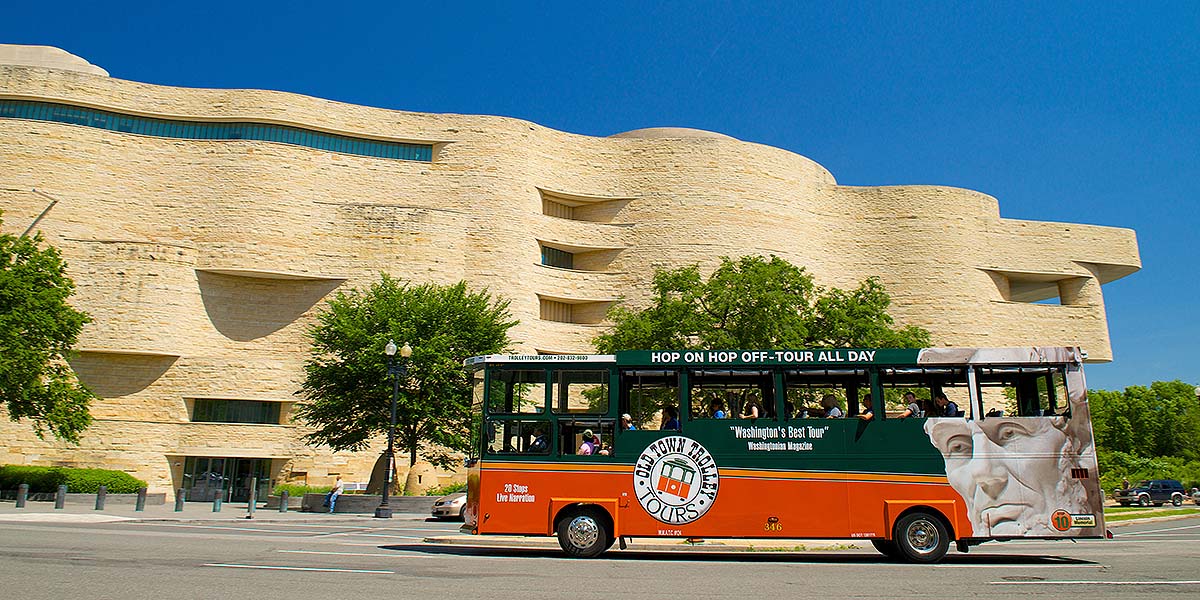
Why Use Old Town Trolley Tours for Museum Access?
- Closest Stop: Go to our map and stops. It is positioned for minimal walking, placing you adjacent to the museum’s entrance on the north side of the National Mall.
- Flexible Exploration: Enjoy the freedom to hop off, spend hours exploring exhibits like the Hall of Dinosaurs and the Hope Diamond, and hop back on the next available trolley.
- Expert Narration: Our conductors provide fascinating historical context about the surrounding Mall and D.C. landmarks as you ride, enhancing the entire sightseeing experience.
- Avoid Parking Stress: The trolley eliminates the need to find scarce and expensive public parking near the National Mall, saving you time and frustration.
Video loading
Tour Tickets



Save up
to $5
Old Town Trolley Tour
to $5
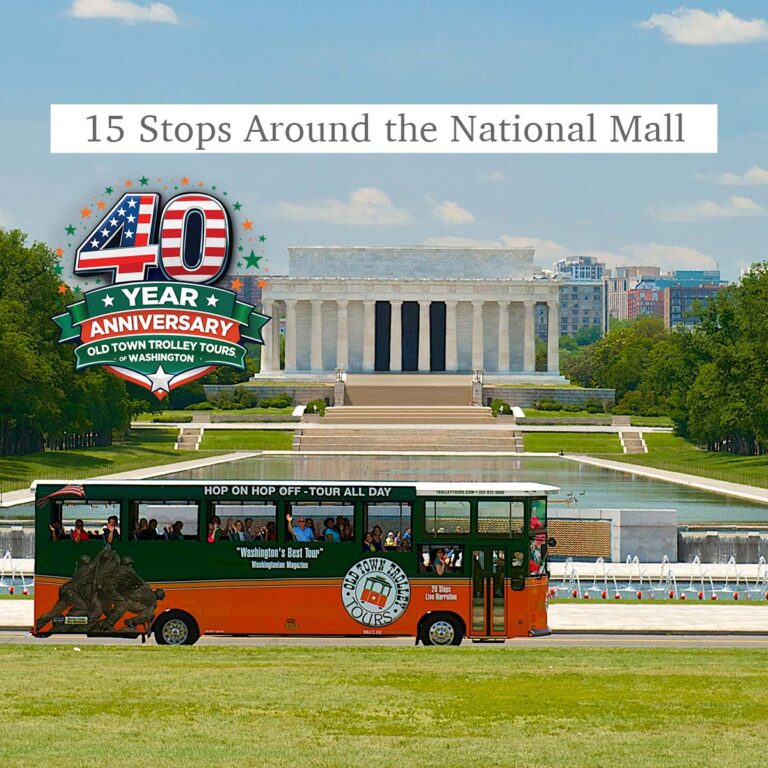
- Hop On Hop Off at 15 Stops near the National Mall
- Celebrating 40 Years as Washington DC's Original Storyteller!
- Fully Narrated 90 Minute Tour
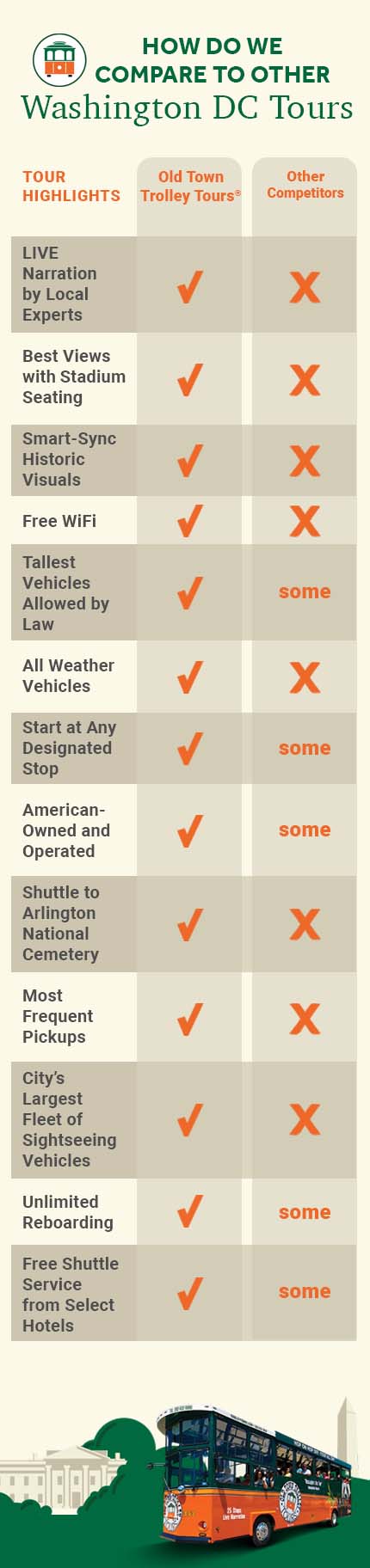
- Best Views with Stadium Seating
- Real-Time Trolley Tracking Map
- Cushioned Seating
- Stories Narrated by Local Experts
- Smart-Sync Historic Visuals
- Tallest Vehicles Allowed by Law
- Free WiFi
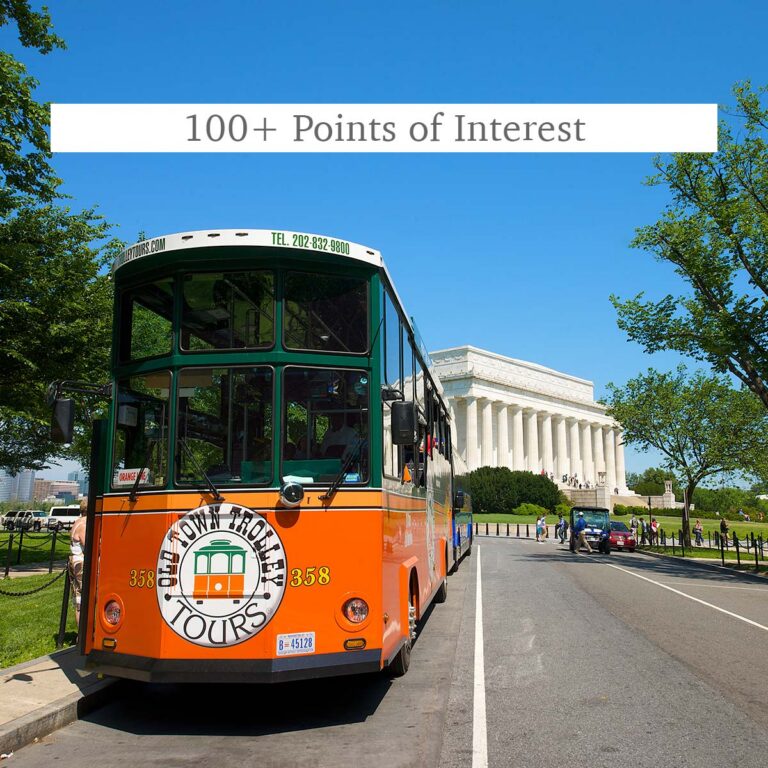
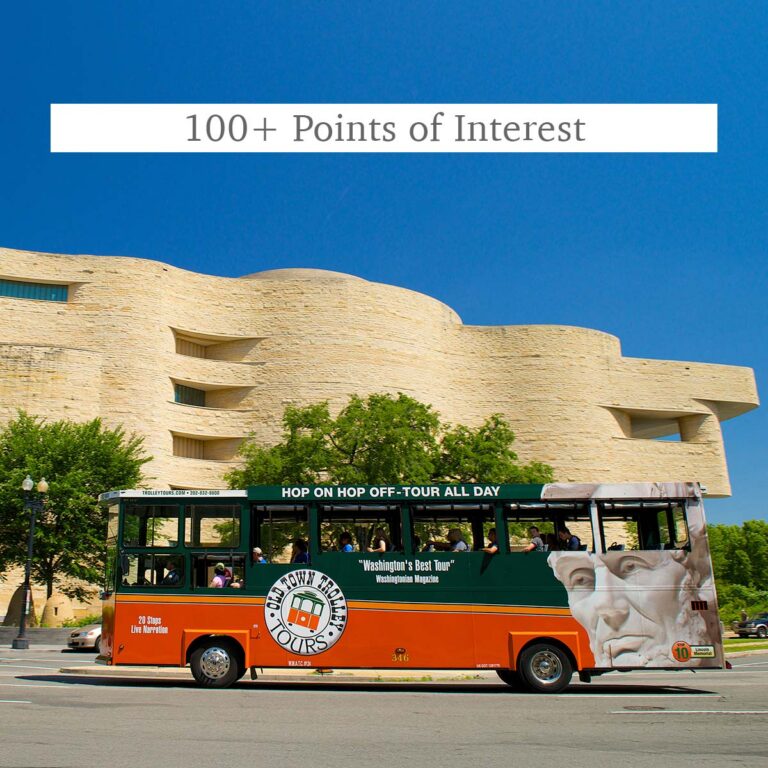
- 100+ Points of Interest
- American Owned and Operated
- All Weather Vehicles
- Start at Any Designated Stop
- “One of the 10 best hop-on hop-off tours in the world” - Forbes
- Top Rated Tour by Washington Post
- Free Additional DC Guides


Save up
to 9%
to 9%
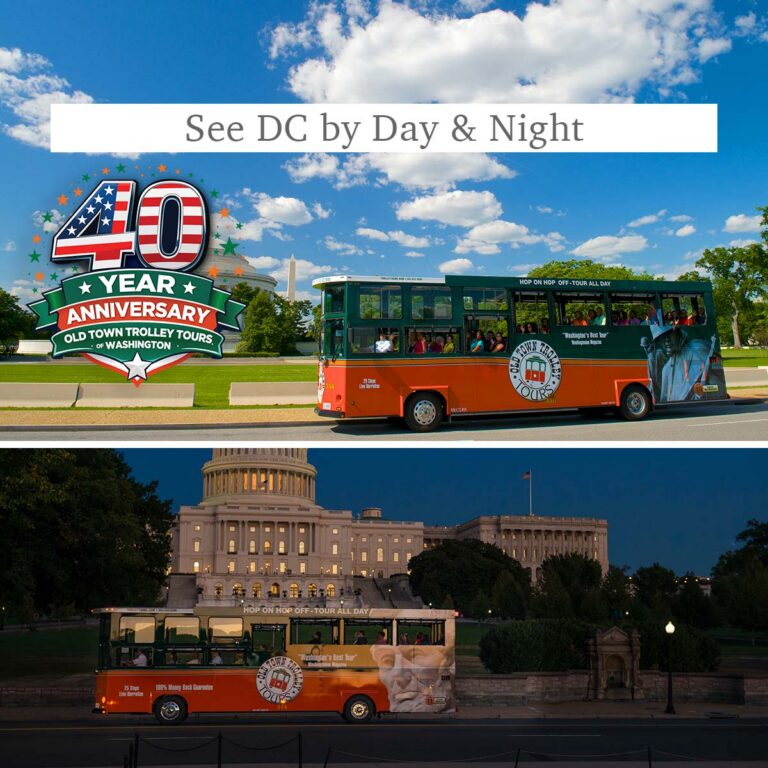
SEE THE BEST OF DC BY DAY AND NIGHT
- Includes Tickets for the Hop On Hop Off DC Tour & Monuments by Moonlight Night Tour
- Celebrating 40 Years as Washington DC's Original Storyteller!
- See DC by Day & Night
- Tours Can Be Taken on Different Days
- Old Town Trolley Hop On Hop Off Tour Details
- Hop On Hop Off at 15 Stops near the National Mall
- Fully Narrated 90 Minute Tour
- Best Views with Stadium Seating
- Real-Time Trolley Tracking Map
- Cushioned Seating
- Stories Narrated by Local Experts
- Smart-Sync Historic Visuals
- Tallest Vehicles Allowed by Law
- Free WiFi
- 100+ Points of Interest
- American Owned and Operated
- All Weather Vehicles
- Start at Any Designated Stop
- “One of the 10 best hop-on hop-off tours in the world” - Forbes
- Top Rated Tour by Washington Post
- Free Additional DC Guides
- Monuments by Moonlight Tour Details
- See the National Mall Monuments at Night
- Stops at 6 of DC’s Iconic Memorials
- Includes the Lincoln Memorial, FDR Memorial, Martin Luther King Jr. Memorial, & More
- Scenic Photo Opportunities
- Stories Narrated by Local Experts
- Fully Narrated 2.5 Hour Tour
- Best Views with Stadium Seating
- Flexible Start and End Points



A VISIT HERE WILL LEAVE AN INDELIBLE IMPRESSION
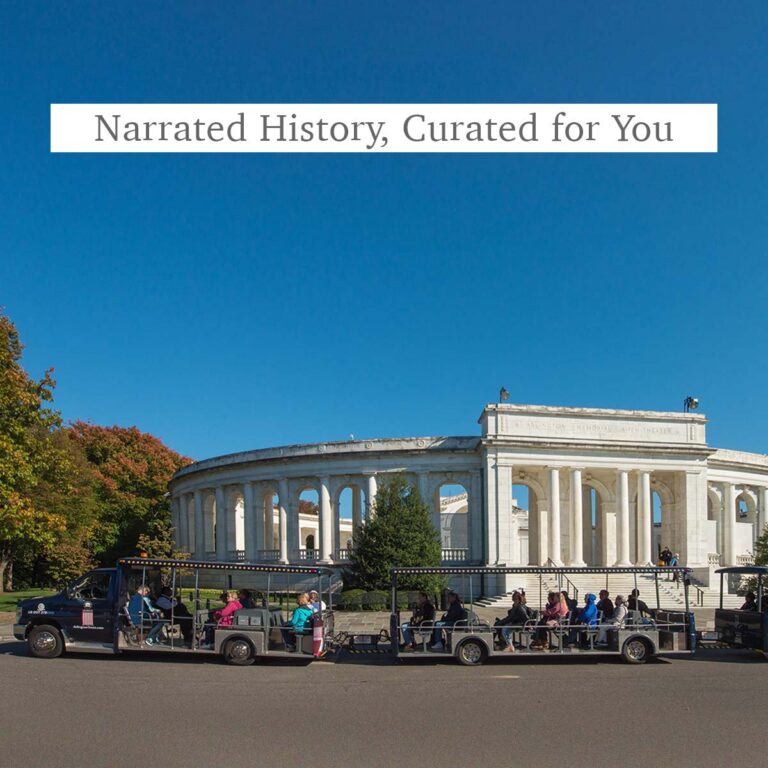
Arlington National Cemetery is an enduring tribute to those who’ve dedicated their lives to defending the ideals of our nation. Explore the rich history of this national landmark from the comfort of our tour vehicles.
- The Only Official Tour of the Arlington National Cemetery
- Hop On Hop Off at 7 stops on weekdays and 8 stops on weekends Across 3+ Miles
- Visit the Tomb of the Unknown Soldier
- Tours Every 30 Minutes
- Stories Narrated by Local Experts
- Visit Notable Graves and Memorials
- Comfortable Vehicles
Smithsonian National Museum of Natural History Visitor Information

- Free Admission: As a Smithsonian institution, general admission to the National Museum of Natural History is completely free, offering accessible, world-class education for every traveler.
- The Hope Diamond: See the legendary 45.52-carat Hope Diamond in the Janet Annenberg Hooker Hall of Geology, Gems, and Minerals—a must-see centerpiece of one of the world’s most significant gem collections.
- Deep Time Hall: Explore the massive, re-imagined David H. Koch Hall of Fossils—Deep Time, which showcases millions of years of life on Earth, including extensive dinosaur and prehistoric mammal displays.
- Mammals and Ocean Life: Discover exhibits featuring a vast array of mammals from around the globe and explore the mysteries of the marine world in the immersive Sant Ocean Hall.
- Dedicated Trolley Stop: The Old Town Trolley Tours route includes a dedicated stop near the museum, providing hop-on/hop-off access to the National Mall, the Washington Monument, and the National Museum of American History.

The History of the Museum
Tracing its roots to the founding of the institution, the museum’s collection was originally housed in the Smithsonian Castle. To accommodate a growing number of exhibits, it moved to the Arts and Industries Building (then known as the National Museum Building) in 1881. When the collection eventually outgrew this second home, Congress authorized the construction of the current structure. Opened in 1910, it was the first Neoclassical-style building on the north side of the National Mall, instantly recognizable today by its iconic green dome.
Inside the Museum
Upon entering the rotunda, visitors are greeted by ‘Henry,’ the museum’s iconic 14-foot-tall, 12-ton African elephant, which made its debut in 1959. Be sure to look down as well – a recent renovation unveiled a stunning compass inlaid in the floor, a historic detail that had been concealed for decades.
In addition to the Hope Diamond, the Janet Annenberg Hooker Hall of Geology, Gems and Minerals also displays the Star of Asia Sapphire and the Gachala Emerald as well as an extensive collection of meteorites.
The David H. Koch Hall of Human Origins opened on the 100th anniversary of the current building. The exhibits chronicle the primordial record of human life on the planet. The primary exhibit focuses on the aspects that make humans unique. Topics include the size of the brain as well as the ability to walk upright and to use complex verbal and nonverbal communication. The highlight of the hall is an authentic Neanderthal fossil.

The Hall of Dinosaurs and Paleobiology features a collection of 46 complete dinosaur specimens that reconstruct the history and behavior of extinct creatures. The gallery also documents the ancient climates and terrains that served as natural habitats for these massive animals. Highlights include the complete skeletons of a T. rex, a Megacerops, and a Triceratops.
Creatures
Visitors to the National Museum of Natural History can learn about various creatures that have resided on the planet in galleries dedicated to mammals, insects, and the world’s oceans. The museum has the largest collection of vertebrate specimens that trace the adaptations of mammals to their diverse and changing surroundings. Highlights include the lion and polar bear exhibits. The Orkin Insect Zoo reveals how various types of insects thrive in different environments, such as rainforests, swamp,s and deserts.
Ocean Hall and More
Children will enjoy watching the live tarantula feedings. The Sant Ocean Hall highlights the biodiverse world that exists beneath the waves. The 1,500-gallon aquarium features a live tropical Pacific coral reef and a giant squid. The Butterfly and Plants pavilion enables visitors to observe the symbiotic relationship between plants and these colorful creatures.
Human Culture
The museum also explores the extensive history of human culture. Exhibits trace the rise of Western civilization from ancient Mesopotamia, Egypt, and Greece, alongside the diverse traditions of Africa and Asia. These displays examine the dynamic relationship between humans and their natural surroundings, illustrating how people both adapt to and shape their environments. A striking example is the mud masons of Mali, creators of the Great Mosque of Djenné, a UNESCO World Heritage Site famous for its spectacular earthen architecture.
Q?rius
The museum’s educational hub, Q?rius, offers teens and preteens the chance to connect with science through specialized school programs and special events. For an unforgettable after-hours experience, the facility hosts Smithsonian Sleepovers for children ages 8 to 14 to spend the night among the exhibits; because these popular overnight adventures sell out quickly, advance booking is essential.
Know Before You Go
Admission to the museum is free, and doors are open daily from 10 a.m. to 5:30 p.m., with the exception of Christmas Day. While operating hours are occasionally extended during the summer, public parking near the National Mall remains notoriously scarce year-round. To avoid the hassle of driving, the best way to reach the museum is via the Old Town Trolley, which offers convenient hop-on, hop-off service directly to the building. The museum is busiest on Saturdays, and the peak tourist season is from mid-March through late July.
There are two entrances to the museum. One is located on Constitution Avenue, which is on the north side of the building. The other faces the National Mall on the south side. On busy days, one security line may be shorter than the other one. You will pass through a security checkpoint similar to those at airports before entering the museum. While strollers, cameras, and bottled water are permitted, the museum asks that you do not bring camera stands, objects that can be used as weapons, and aerosol sprays. Service animals are allowed. Visitors are permitted to take still photographs and videos for noncommercial purposes.
Nearby Attractions
Several other popular Smithsonian Institution museums are located on the Mall within a short walking distance of the Museum of Natural History.
National Museum of American History
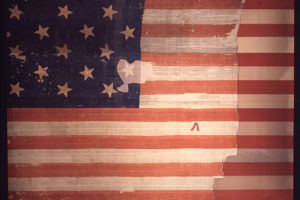 The adjacent National Museum of American History accumulates, preserves, and displays a collection of artifacts related to the cultural, political, military, and social heritage of the United States. National treasures on display include the original Star Spangled Banner that inspired Francis Scott Key and Dorothy’s Ruby Slippers from The Wizard of Oz.
National Gallery of Art
 The National Gallery of Art is one of the world’s pre-eminent fine art museums. It houses a collection of more than 140,000 works tracing Western art from the Middle Ages until the present day. The paintings, sculptures, and other pieces include works by masters, such as Edgar Degas, John Singleton Copley, and Leonardo de Vinci.
National Air and Space Museum
 The fifth most-visited museum in the world, the National Air and Space Museum chronicles the history of flight and space exploration. It holds the world’s largest collection of historic aircraft and spaceships as well as related artifacts, including the Wright Brothers Flyer and a moon rock. The Stringfellow steam engine, originally designed to power aircraft, was the first item ever acquired by the Smithsonian Institution.
Save up
to $5
Old Town Trolley Tour
to $5
- Hop On Hop Off at 15 Stops near the National Mall
- Celebrating 40 Years as Washington DC's Original Storyteller!
- Fully Narrated 90 Minute Tour
- Best Views with Stadium Seating
- Real-Time Trolley Tracking Map
- Cushioned Seating
- Stories Narrated by Local Experts
- Smart-Sync Historic Visuals
- Tallest Vehicles Allowed by Law
- Free WiFi
- 100+ Points of Interest
- American Owned and Operated
- All Weather Vehicles
- Start at Any Designated Stop
- “One of the 10 best hop-on hop-off tours in the world” - Forbes
- Top Rated Tour by Washington Post
- Free Additional DC Guides
Save up
to 9%
to 9%
SEE THE BEST OF DC BY DAY AND NIGHT
- Includes Tickets for the Hop On Hop Off DC Tour & Monuments by Moonlight Night Tour
- Celebrating 40 Years as Washington DC's Original Storyteller!
- See DC by Day & Night
- Tours Can Be Taken on Different Days
- Old Town Trolley Hop On Hop Off Tour Details
- Hop On Hop Off at 15 Stops near the National Mall
- Fully Narrated 90 Minute Tour
- Best Views with Stadium Seating
- Real-Time Trolley Tracking Map
- Cushioned Seating
- Stories Narrated by Local Experts
- Smart-Sync Historic Visuals
- Tallest Vehicles Allowed by Law
- Free WiFi
- 100+ Points of Interest
- American Owned and Operated
- All Weather Vehicles
- Start at Any Designated Stop
- “One of the 10 best hop-on hop-off tours in the world” - Forbes
- Top Rated Tour by Washington Post
- Free Additional DC Guides
- Monuments by Moonlight Tour Details
- See the National Mall Monuments at Night
- Stops at 6 of DC’s Iconic Memorials
- Includes the Lincoln Memorial, FDR Memorial, Martin Luther King Jr. Memorial, & More
- Scenic Photo Opportunities
- Stories Narrated by Local Experts
- Fully Narrated 2.5 Hour Tour
- Best Views with Stadium Seating
- Flexible Start and End Points
A VISIT HERE WILL LEAVE AN INDELIBLE IMPRESSION
Arlington National Cemetery is an enduring tribute to those who’ve dedicated their lives to defending the ideals of our nation. Explore the rich history of this national landmark from the comfort of our tour vehicles.
- The Only Official Tour of the Arlington National Cemetery
- Hop On Hop Off at 7 stops on weekdays and 8 stops on weekends Across 3+ Miles
- Visit the Tomb of the Unknown Soldier
- Tours Every 30 Minutes
- Stories Narrated by Local Experts
- Visit Notable Graves and Memorials
- Comfortable Vehicles
FAQs
Most visitors spend between 2 and 4 hours exploring the museum’s massive galleries. If you are short on time, focusing on iconic highlights like the Hope Diamond, Henry the Elephant, and the Hall of Fossils can comfortably be accomplished in about 90 minutes.
To avoid peak crowds at the Natural History Museum, plan to arrive right when doors open at 10:00 a.m. or visit in the late afternoon after 3:30 p.m. Weekdays during late autumn and winter typically see significantly lower visitor numbers compared to spring and summer.
The closest Metro station to the Natural History Museum is Federal Triangle on the Blue, Orange, and Silver Lines, located just two blocks away. The Smithsonian station and Archives/Navy Memorial station are also convenient walking options, depending on your starting line.
Yes, the Natural History Museum features several specialized gift shops, including the Main Museum Store, the Gem and Mineral Store, and a dedicated Family Store. They offer educational toys, books, real fossil samples, unique jewelry, and official Smithsonian souvenirs.
Yes, corporate receptions, galas, and private events can be hosted after public hours at the Natural History Museum. The grand Rotunda and various exhibit halls offer iconic backdrops, though events must be booked through the Smithsonian’s special events department.