






Southernmost Point Key West: Iconic Landmark Guide
The Crown Jewel of Key West Landmarks
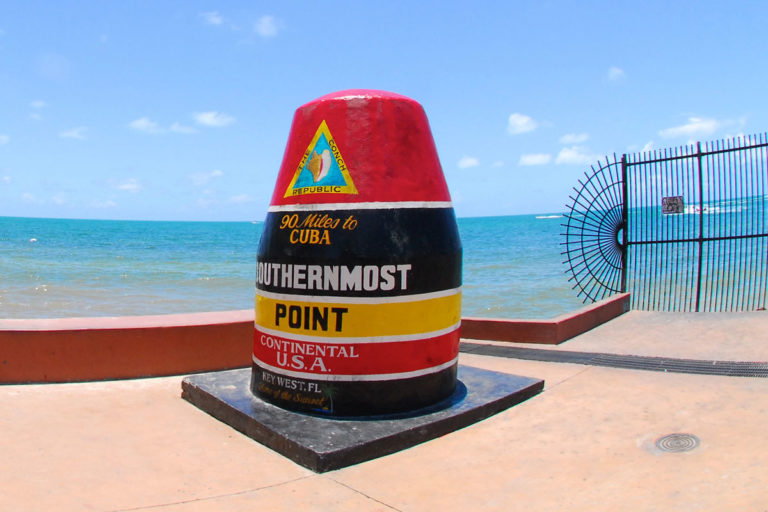
Key West is famous for being the southernmost city in the continental United States. When you visit, it’s essential that you make it to the southernmost point on the island, found at the intersection of Whitehead Street and South Street. Here, you’ll see the landmark Southernmost Point Buoy and a whole host of other “southernmost” attractions that make for a fun Key West afternoon.
Standing proud against the backdrop of the Atlantic Ocean, the vibrant monument at the Southernmost Point in Key West has earned legendary status among traveler bucket lists. It is widely considered one of the most photographed sights in North America, drawing hundreds of thousands of sightseers each year who line up to capture a lifelong memory. Whether you are arriving on a weekend getaway, embarking on a family road trip along the Overseas Highway, or cruising into port for a day, visiting this vibrant seaside corner is a quintessential Florida Keys ritual.

Beyond taking a picture, visiting the area opens the door to exploring the rich history, tropical flora, and architecture that define Old Town. The Southernmost Point Buoy serves as an anchor for a broader adventure through surrounding neighborhoods packed with world-class Key West attractions.
This comprehensive guide serves as your ultimate resource for planning a visit. Here, you will uncover the fascinating origins of the monument, learn geographical realities, get insider tips on skipping lines, and discover how hopping aboard Old Town Trolley Key West provides the easiest, most enjoyable way to explore the island’s legendary sights without the stress of driving or parking.

From Wooden Sign to 20-Ton Monument
Long before the iconic painted cylinder became an international photo sensation, the southern geographic marker of the island looked remarkably different. In the early to mid-20th century, the city marked this historic location with a simple, small wooden sign denoting the southernmost edge of the continental United States. While charming, the wooden marker faced a persistent and frustrating problem: enthusiastic visitors, pranksters, and souvenir collectors repeatedly unscrewed, painted over, or outright stole the sign.
After decades of replacing stolen or damaged wooden signs, the City of Key West decided to erect a permanent monument. In 1983, local craftspeople designed and constructed the giant painted concrete structure that stands proudly on the plaza today.
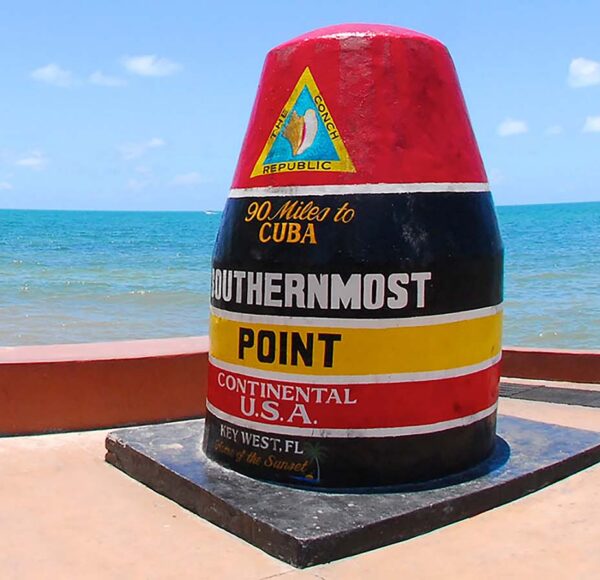
The Southernmost Point Buoy was engineered for extreme durability. Standing 12 feet tall and 7 feet wide, this massive structure weighs an astonishing 20 tons of solid concrete. Anchored deep into the coastal bedrock, it was specifically built to endure fierce tropical storms, high tides, and major hurricane storm surges that periodically wash over the island’s shoreline. Over the decades, even powerful hurricanes like Wilma and Irma failed to dislodge the heavy monument, though storm waters occasionally scuffed its painted exterior.
The artistic design of the monument is immediately recognizable around the globe. Hand-painted with bright red, yellow, black, and white weather-resistant paints, the buoy features several distinct inscriptions:
"90 Miles to Cuba":
A homage to the island’s close geographical proximity to its Caribbean neighbor.
"Conch Republic":
A bold nod to Key West’s 1982 tongue-in-cheek independence movement.
"The Continental U.S.A.":
Commemorating its status as the geographic benchmark of the mainland states.
"Southernmost Point":
The iconic crown title emblazoned across the upper curve.
Whenever extreme weather or sun exposure dims its luster, skilled local artists repaint and restore the monument, ensuring it remains picture-perfect for future generations of visitors eager to see the Southernmost Point in Key West.
Geography, Myths, and Quirky Lore
Fun Fact: Key West is geographically closer to Cuba than it is to mainland Florida and Miami, located 150 miles north.
 This fascinating geographic reality frequently surprises first-time visitors standing at the Southernmost Point Buoy. Looking out over the horizon across the Florida Straits, Havana, Cuba, lies only 94 miles to the south. Meanwhile, driving back up the Keys to Miami requires a 150-mile journey northbound! This close relationship with Cuba heavily influenced the history, architecture, cigar-making heritage, and culinary culture of Key West throughout the 19th and 20th centuries.
So, while the monument famously proclaims “90 Miles to Cuba,” exact nautical measurements place the distance to Havana closer to 94.
Another misconception is that the monument represents the absolute southern tip of land in Key West. Geographically speaking, a few areas sit slightly farther south:
 Ballast Key: A small private island within the Key West National Wildlife Refuge, located roughly 9 miles southwest of Key West, it holds the title of the true southernmost point of Florida land.
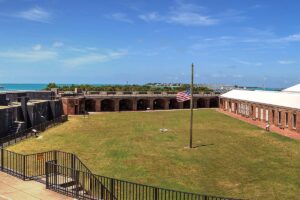
Truman Annex/Fort Zachary Taylor: Portions of government and military land adjacent to the Navy base on the main island extend a bit farther south than South Street.
Because these military lands and private offshore islands are off-limits for public gathering, the intersection of Whitehead and South Streets was officially designated as the accessible civilian public monument.

The Southernmost Point in Key West can also be directly tied to the founding of the Conch Republic. In April 1982, U.S. Border Patrol set up a roadblock on the Overseas Highway, creating massive traffic delays for travelers entering mainland Florida. In protest, the mayor of Key West famously declared the island’s independence as the “Conch Republic,” declared war on the United States by breaking a piece of stale Cuban bread over a sailor’s head, immediately surrendered, and applied for $1 billion in foreign financial aid. Today, the humorous spirit of the Conch Republic remains vibrant, proudly emblazoned across the face of the concrete monument.
Save up
to 5%
to 5%
SEE THE BEST OF KEY WEST IN ONE DAY
- Hop On and Off at 13 Convenient Stops
- 1 Day of Free Unlimited Reboarding
- Real-Time Trolley Tracking Map
- You May Start at Any of Our Convenient Stops
- Open-Air Sightseeing Perfect for Taking Pictures
- More Than 100 Points of Interest
- 2 FREE Guided Walking Tours Included
- FREE coupons filled with valuable discounts to use all over the island
- 100% Satisfaction Guarantee
- Fully Narrated Tour by Expert Conductors
- Exclusive Stops and Key West Attraction Discounts
Save up
to 15%
2-Day Old Town Trolley Tour
to 15%
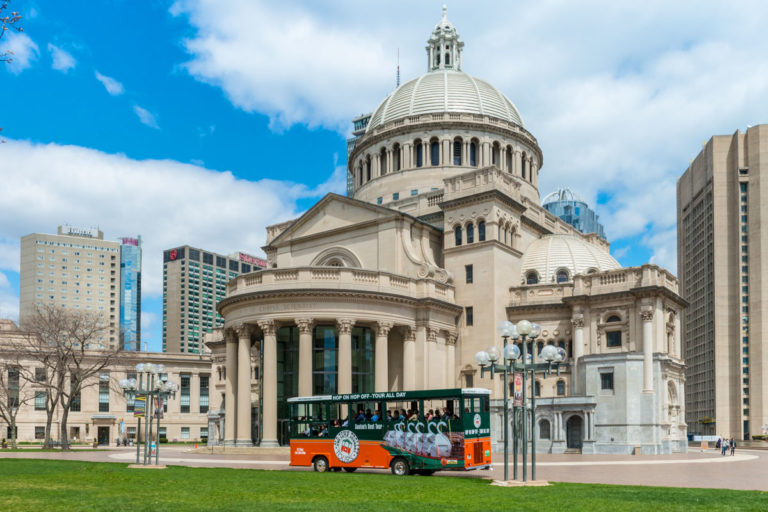
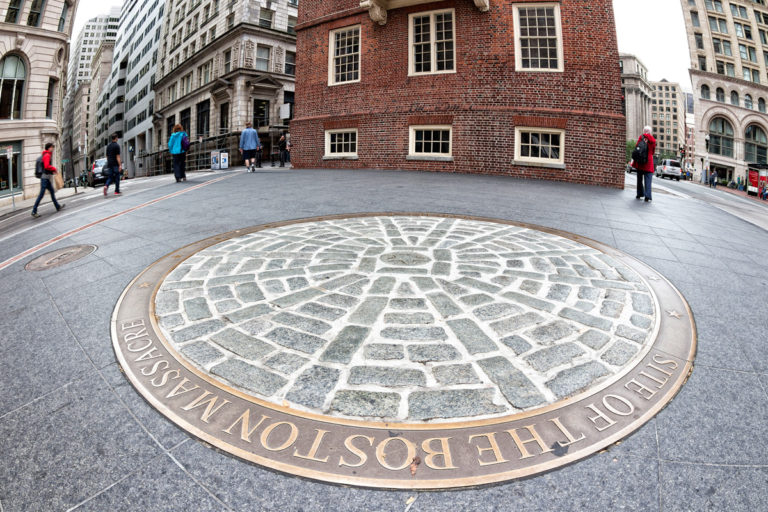
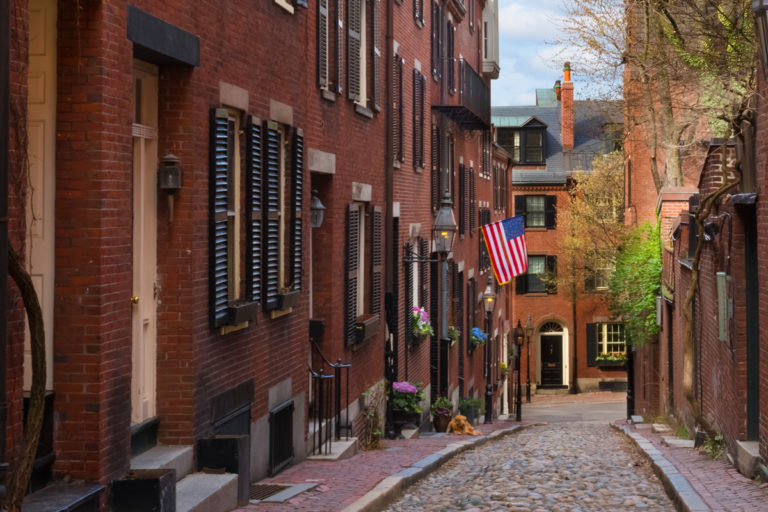
- Hop On, Hop Off at 17 Stops Around Boston and the Freedom Trail
- Fully Narrated Tour
- 2 consecutive days of free unlimited re-boarding**
- Real-Time Trolley Tracking Map
- Best Views With Stadium Seating
- Cushioned Seating
- Stories Narrated by Local Experts
- Smart-Sync Historical Visuals
- Tallest Vehicles Allowed by Law
- 100+ Points of Interest
- American Owned and Operated
- All-Weather Vehicles
- Start at Any Designated Stop
- “One of the 10 best hop-on hop-off tours in the world” - Forbes
- PLUS:
- $10 off Historic Harbor Cruise*
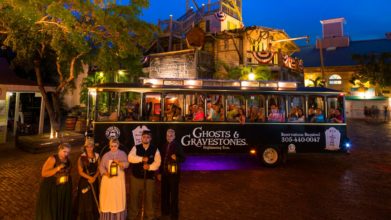
- $10 off Ghosts & Gravestones Tour*
- $5 off Boston Essential Guide*
- $6 off admission to Boston Tea Party Ships & Museum*
- 50% off admission at The Sports Museum*
- $4.00 off admission at The West End Museum*
- Please see your Old Town Trolley Tours conductor or sales representative to ask about attraction discounts that come with your trolley ticket.
- Attraction tickets do not have to be used on the same day
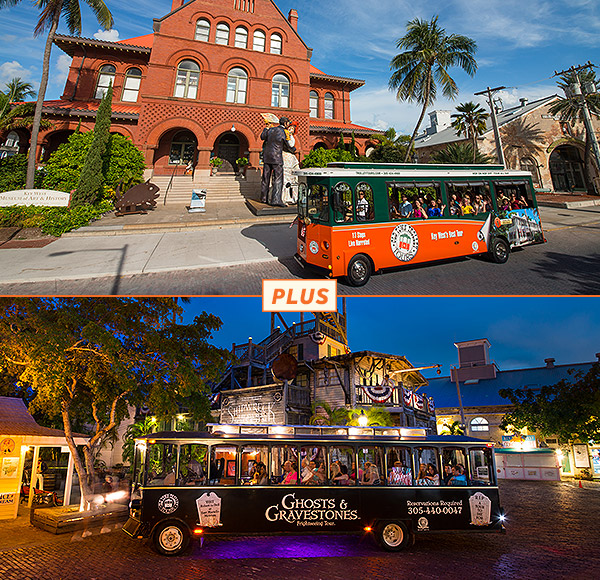
SEE THE BEST OF KEY WEST & EXPLORE ITS DARK SIDE
- Old Town Trolley Tours:
- Hop On and Off at 13 Convenient Stops
- 1 Day of Free Unlimited Reboarding
- Real-Time Trolley Tracking Map
- You May Start at Any of Our Convenient Stops
- Open-Air Sightseeing Perfect for Taking Pictures
- More Than 100 Points of Interest
- 2 FREE Guided Walking Tours Included
- FREE coupons filled with valuable discounts to use all over the island
- Fully Narrated Tour by Expert Conductors
- Exclusive Stops and Key West Attraction Discounts
- Ghosts & Gravestones Night Tour:
- Voted Top Ten Best Ghost Tour by USA Today Readers' Choice
- Explore Some of Key West's Most Haunted Sites…
- Your voyage includes a stop at the Key West Shipwreck Treasure Museum
- 100% Satisfaction Guarantee
- Tours do not have to be taken on the same day
Essential Tips for a Perfect Visit
Visiting the Southernmost Point Buoy is an absolute highlight of any trip to the Florida Keys, but taking a few strategic precautions will ensure your photo opportunity is smooth and enjoyable.
Timing Your Visit and Managing Lines
Because this is one of the most visited Key West attractions, lines form early in the morning and peak during midday hours. Between 11 a.m. and 3 p.m., wait times to take a picture directly in front of the monument can reach 30 to 45 minutes under the hot tropical sun.
Golden Hour (Sunrise):
Arrive shortly after dawn (no later than 7 a.m. to 8:30 a.m.). Not only will you skip the crowds entirely, but the early morning sunlight casting across the Atlantic creates stunning lighting conditions for photographs.
Dusk and Evening:
Arriving near sunset or after dark offers shorter lines and unique photography setups, as ambient lighting from nearby streets gives the red and yellow stripes a dramatic glow.
Safety and Plaza Etiquette
To preserve the monument and protect visitors, local regulations are strictly enforced around the plaza:
No Climbing:
Climbing on top of the concrete buoy or stepping over safety barriers is strictly prohibited and carries local fines.
Beware of Wet Rocks:
The shoreline rocks directly behind the monument are covered in algae and pounded by ocean waves. Slipping on wet rocks poses a severe injury risk; remain safely on the paved concrete walkway.
Share the Space:
During peak hours, hold your photo session to one or two minutes so everyone waiting in line gets an opportunity to capture their memory.
Visiting the Landmark
Practical details for visiting the plaza:
Admission:
100% free! There are no ticket counters, entrance fees, or reservations required to access the plaza or take photos.
Hours:
Open 24 hours a day, 365 days a year.
Accessibility:
The entire plaza surrounding the Southernmost Point in Key West is flat, paved, and fully wheelchair and stroller accessible, featuring wide concrete ramps leading from sidewalk crosswalks directly to the water’s edge.
Amenities:
Restrooms and shade can be found in nearby public areas and local businesses along Whitehead and Duval Streets.
**Special Travel Notice: Temporary Relocation of the Southernmost Point Buoy
Due to seawall, roadway, and plaza restoration following storm damage at the corner of South Street and Whitehead Street, the landmark photo spot has been temporarily relocated. Visitors seeking the iconic “90 Miles to Cuba” photograph can head a short distance away to Duval Street Pocket Park (1400–1499 Duval Street), situated between the Southernmost Mansion and the Southernmost Resort. A replica buoy built and painted by Key West’s Community Services Department serves as the official photo marker while repairs are underway. The temporary location will welcome visitors through late 2026, when the original site reopens.
Exploring the Southern End of Old Town
Once you have secured your souvenir photo at the Southernmost Point Buoy, stay awhile! The southern terminus of Whitehead Street and Duval Street offers a dense cluster of fascinating historic sites, vibrant nature habitats, and picturesque public spaces. Here are five top nearby Key West attractions located within short walking distance of the buoy plaza:
The Southernmost House
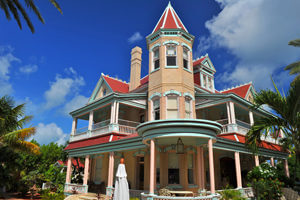 Located at 1400 Duval Street, just steps from the buoy plaza, this grand 1896 oceanfront Victorian mansion showcases striking gingerbread woodwork, stained-glass windows, and lush palm-fringed gardens. Over its storied history, this architectural masterpiece has hosted U.S. presidents, royalty, and famous authors. Today, it serves as a historic luxury inn and cafe offering breathtaking ocean views.
Key West Butterfly & Nature Conservatory
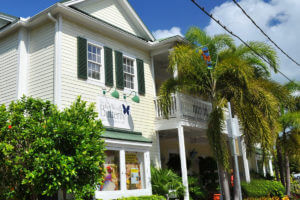 Step into a climate-controlled glass dome filled with thousands of live free-flying tropical butterflies representing over 50 species from around the globe. Located at 1316 Duval Street, this climate-controlled paradise also features dozens of exotic bird species, lush flowering plants, cascading waterfalls, and a resident pair of vibrant flamingos. It is widely praised as one of the most serene sights in the Florida Keys.
Ernest Hemingway Home & Museum
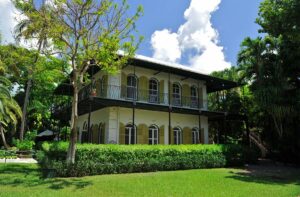 Located a short stroll up Whitehead Street, this grand Spanish Colonial estate served as the residence of legendary author Ernest Hemingway during the 1930s. Tour the rooms where he penned literary classics like “For Whom the Bell Tolls,” stroll through lush tropical gardens, and meet the dozens of famous polydactyl (six-toed) cats that roam the grounds — all direct descendants of Hemingway’s original beloved feline, Snow White.
Key West Lighthouse and Keeper’s Quarters
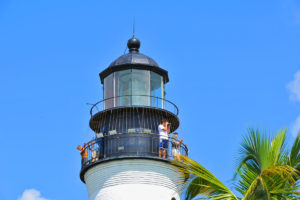 Built in 1848 to guide military and commercial ships through the treacherous Florida Reef, this historic landmark offers an immersive look into maritime history. Visitors can climb the 88 winding steps to the top of the tower for spectacular 360-degree panoramic views across Old Town, the Atlantic Ocean, and the Gulf of Mexico.
South Beach
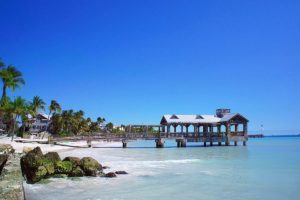 Situated at the quiet foot of Duval Street, South Beach is a charming public stretch of sand perfect for cooling off after a morning of sightseeing. Featuring shallow, warm ocean waters, nearby cafe refreshments, and convenient access, it provides an ideal spot to relax, listen to the waves, and enjoy the tropical ocean breeze.
The Smartest Way To See Key West’s Landmarks
Navigating the historic streets of Old Town Key West in a rental car or personal vehicle can quickly turn a dream vacation into a stressful ordeal. The narrow historic lanes around South Street and Whitehead Street were designed in the 19th century, long before automobiles existed. Consequently, public parking near the Southernmost Point in Key West is extremely limited, heavily metered, and frequently full by early morning.
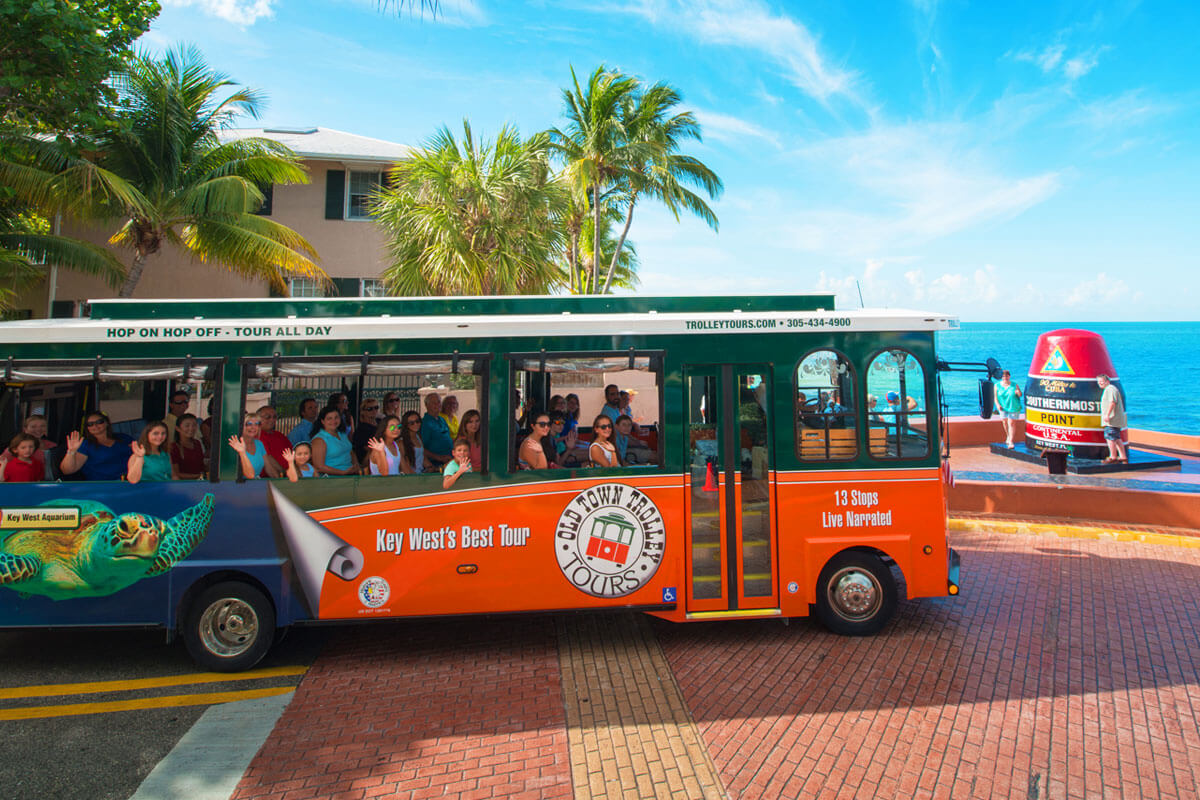
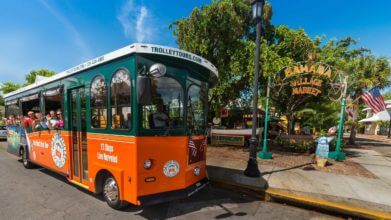
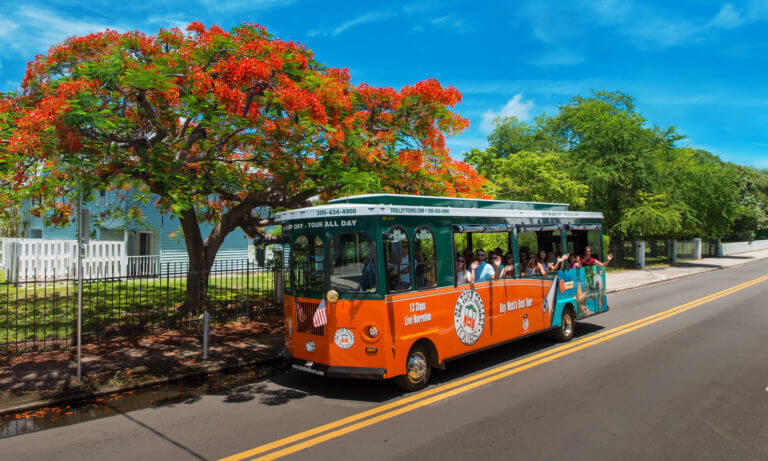
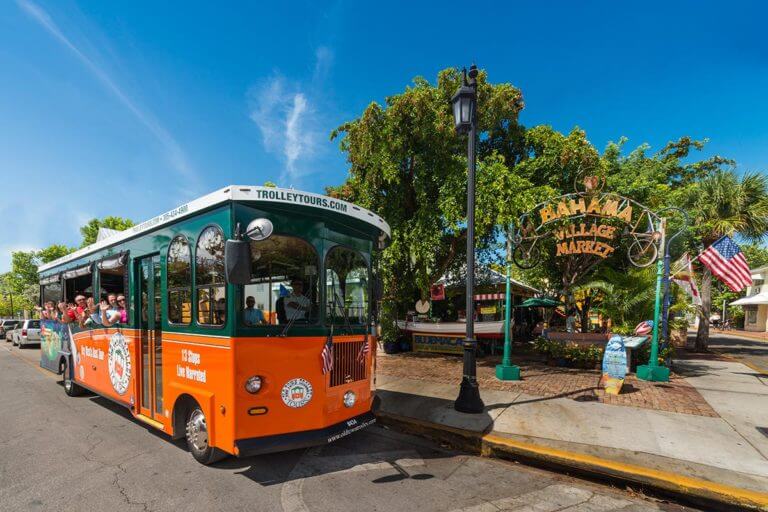
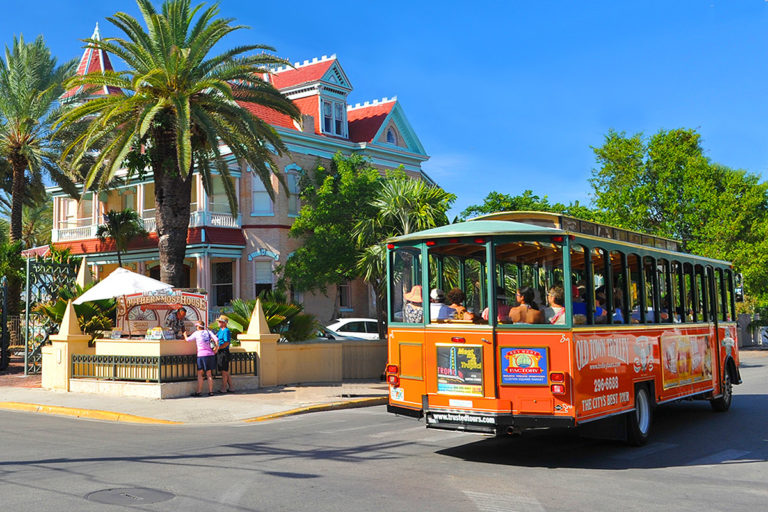
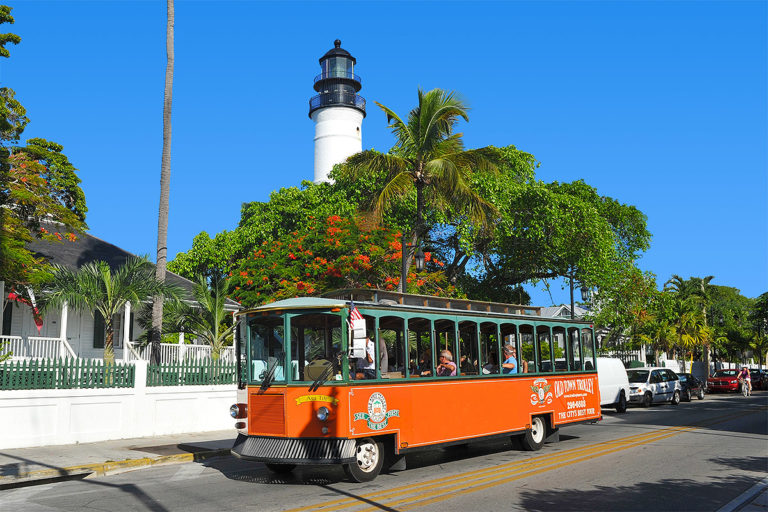
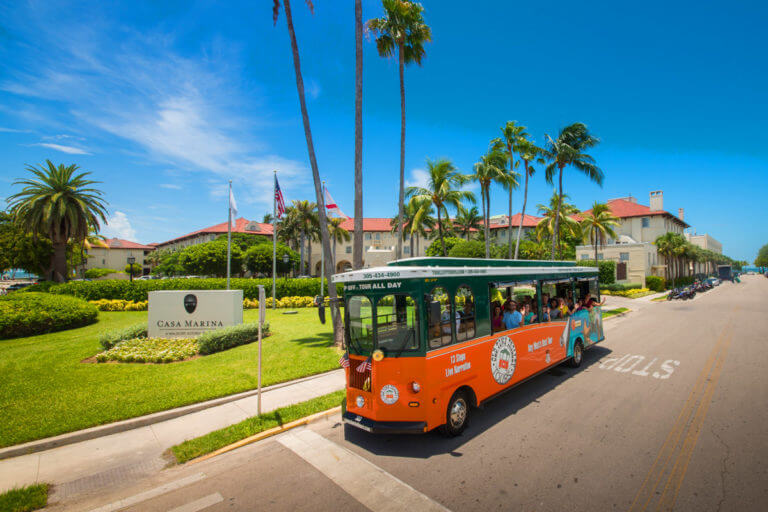
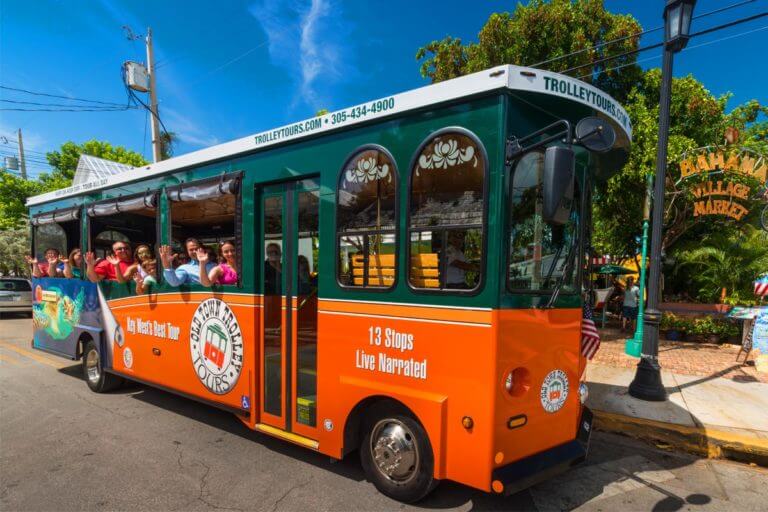
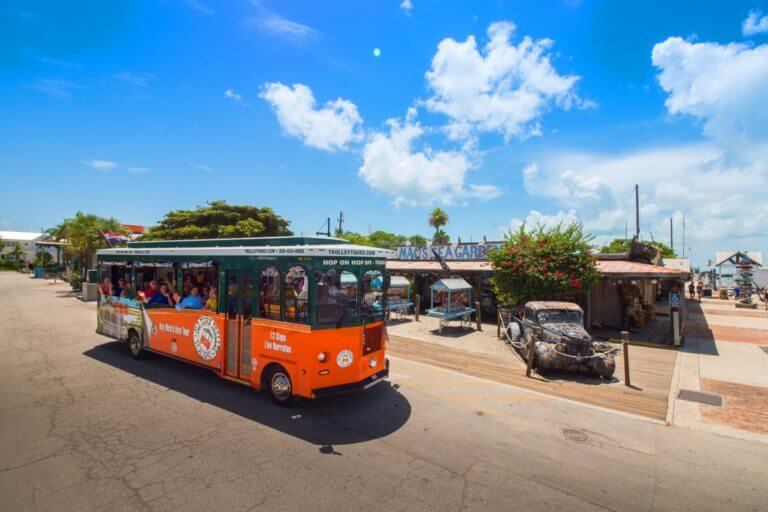
Instead of hunting for rare parking spots or navigating tight historic streets, hop aboard Old Town Trolley Key West for an effortless, stress-free sightseeing journey.
Old Town Trolley provides continuous, fully narrated transport to over 100 points of interest across the island. When visiting the southern tip of Old Town, trolley riders enjoy maximum convenience with two nearby stops:
Southernmost Point Trolley Stop:
Drops you off right on South Street, mere steps from the buoy plaza.
Truval Village:
Located at the corner of Truman Avenue and Duval Street, providing instant access to nearby historic homes, galleries, and dining spots.
With flexible hop-on and hop-off privileges throughout the day, expert local conductors sharing engaging history and humor, and open-air seating designed to catch breezes, Old Town Trolley Key West is undeniably the smartest way to experience top Key West attractions. Sit back, relax, leave the driving to the pros, and focus entirely on creating memories!
FAQs
The landmark buoy is situated right on the oceanfront at the corner of Whitehead Street and South Street in Old Town Key West, Florida, 33040.
No, the monument rests on a public plaza and is completely free to visit 24 hours a day, 365 days a year.
While the buoy prominently features “90 Miles to Cuba,” the actual distance across the Straits of Florida from Key West to Havana is approximately 94 statute miles (82 nautical miles).
Guests riding Old Town Trolley Key West can hop off directly at the Southernmost Point Trolley Stop on South Street, or at the Truval Village stop located just a short block away at Truman Avenue and Duval Street.
Save up
to 5%
to 5%
SEE THE BEST OF KEY WEST IN ONE DAY
- Hop On and Off at 13 Convenient Stops
- 1 Day of Free Unlimited Reboarding
- Real-Time Trolley Tracking Map
- You May Start at Any of Our Convenient Stops
- Open-Air Sightseeing Perfect for Taking Pictures
- More Than 100 Points of Interest
- 2 FREE Guided Walking Tours Included
- FREE coupons filled with valuable discounts to use all over the island
- 100% Satisfaction Guarantee
- Fully Narrated Tour by Expert Conductors
- Exclusive Stops and Key West Attraction Discounts
Save up
to 26%
to 26%
SEE THE BEST OF KEY WEST IN TWO DAYS
- Unlimited reboarding for 2 consecutive days
- Hop on and off at 13 Key West stops
- Real-Time Trolley Tracking Map
- Start your tour at any stop on the route
- Open-air sightseeing with great views
- More than 100 points of interest
- 2 FREE Guided Walking Tours Included
- FREE coupons filled with valuable discounts to use all over the island
- Backed by a 100% satisfaction guarantee
- Stories and facts shared by friendly expert guides
- Stops that connect you to popular Key West attractions
SEE THE BEST OF KEY WEST & EXPLORE ITS DARK SIDE
- Old Town Trolley Tours:
- Hop On and Off at 13 Convenient Stops
- 1 Day of Free Unlimited Reboarding
- Real-Time Trolley Tracking Map
- You May Start at Any of Our Convenient Stops
- Open-Air Sightseeing Perfect for Taking Pictures
- More Than 100 Points of Interest
- 2 FREE Guided Walking Tours Included
- FREE coupons filled with valuable discounts to use all over the island
- Fully Narrated Tour by Expert Conductors
- Exclusive Stops and Key West Attraction Discounts
- Ghosts & Gravestones Night Tour:
- Voted Top Ten Best Ghost Tour by USA Today Readers' Choice
- Explore Some of Key West's Most Haunted Sites…
- Your voyage includes a stop at the Key West Shipwreck Treasure Museum
- 100% Satisfaction Guarantee
- Tours do not have to be taken on the same day