



PLAN YOUR VISIT


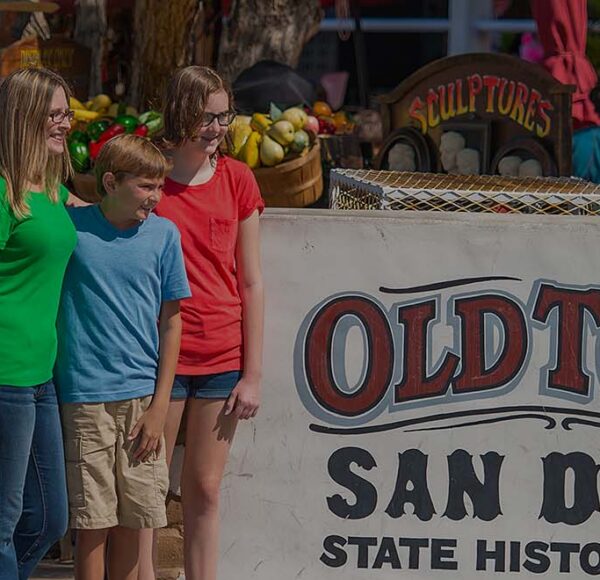
Old Town San Diego State Historic Park
Old Town San Diego State Historic Park is a testament to San Diego’s rich and diverse history. It preserves its heritage through the restoration of historic buildings and cultural landmarks dating from 1820 to 1870. Visitors to the park are transported to an era of change and growth that defined California’s early years.

Essential Guide to Visiting Old Town San Diego State Historic Park
As the historic birthplace of modern California, Old Town San Diego State Historic Park offers travelers a window into the region’s rich Mexican and early American pioneer eras. Spanning several blocks of preserved buildings, museums, and lively plazas, this open-air heritage site recreates life as it existed between 1821 and 1872. Navigating this high-traffic historical district requires planning ahead to balance educational tours with local culinary experiences while avoiding the common tourist pain points of regional transit and parking congestion.
Why Choose Old Town Trolley Tours for Your Old Town Visit
- Direct Historic Park Drop-Off: Bypass transit confusion with a dedicated trolley depot located right at the threshold of the State Historic Park.
- Deep Historical Context: Listen to expert narration detailing the transition of California from a Spanish and Mexican settlement to an American territory before you step off to explore.
- Stress-Free Arrival: Avoid the intense frustration of hunting down parking spaces in one of San Diego’s busiest and most congested historic tourist zones.
- Hop-On, Hop-Off Freedom: Enjoy the ultimate flexibility to browse the museums, shops, and adobes for as long as you like, then catch the next frequent trolley when ready.
Top Historical Attractions and Highlights in Old Town San Diego
Original 19th-Century Adobes:
Preserved historic structures, such as the landmark Casa de Estudillo, showcases authentic mud-brick architecture, period furnishings, and early California courtyard life.
Living History Demonstrations:
Immersive public displays where costumed historians and local artisans demonstrate traditional 1800s trades, including blacksmithing, leatherworking, and pottery.
The Robinson-Rose House:
Serves as the main park visitor center, housing historic exhibits and a detailed, hand-crafted scale model of the old pueblo town as it stood in 1872.
Fiesta de Reyes Plaza:
A bustling open-air marketplace filled with specialty boutiques, traditional Mexican folk art, handcrafted goods, and authentic regional dining venues.
El Campo Santo Cemetery:
A historic 1849 burial ground located just outside the main park boundary, serving as the final resting place for early pioneers, citizens, and notable figures from San Diego’s past.
History

Birthplace of California
In 1821, following Mexico’s independence from Spain, San Diego was established as the first capital of Alta California. This designation cemented its place as a center of cultural and political development. The buildings preserved within Old Town San Diego State Historic Park reflect the architecture and customs of this transformative era, showcasing how the region evolved during its early years.
Presidio and Mission
The Presidio of San Diego, a Spanish military post, and Mission San Diego de Alcalá, the first of California’s 21 missions, were both established in 1769. The Presidio played a crucial role in maintaining Spanish authority in the region, while the Mission introduced a new spiritual and cultural dynamic that shaped the area’s development. Today, visitors can explore exhibits and remnants of these sites, learning about their influence on the region’s history and their enduring legacy in San Diego.
Early American Settlement
The transition from Mexican to American rule following the Mexican-American War brought significant changes to San Diego. Old Town San Diego State Historic Park provides a glimpse into this period of transformation, where Mexican traditions blended with new American influences. The park’s exhibits and restored buildings illustrate the challenges and opportunities faced by settlers as they navigated this cultural shift. Visitors can explore how these early residents adapted and contributed to the city’s growth.
Preservation Efforts
In the early 20th century, the need to preserve Old Town’s historical treasures became apparent, sparking efforts to protect and restore its iconic landmarks. These preservation initiatives saved many of the district’s most significant buildings, turning Old Town into a vibrant historical hub.

Save up
to 15%
to 15%
SEE THE BEST OF SAN DIEGO & CORONADO IN ONE DAY
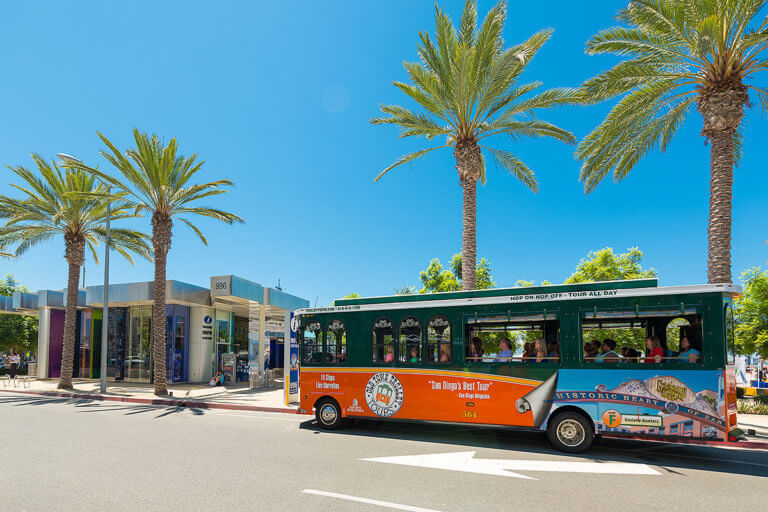
- Hop On, Hop Off at 11 Stops Around San Diego and Coronado Island
- Fully Narrated 1 hour and 45 Minute Tour
- Real-Time Trolley Tracking Map
- Open-Air Sightseeing Perfect for Taking Pictures
- Stories Narrated by Local Experts
- 100+ Points of Interest
- American Owned and Operated
- Start at Any Designated Stop
- San Diego's Largest Fleet With the Most Frequent Service
- FREE discount coupons ($30 value)
- FREE Self-Guided Walking Tours
- FREE Admission to Select Museums
- FREE Map Brochure With Day Planner
- Only hop-on and off tour over the bridge to Coronado
- Kids Free in October, 1 Free Child per Adult
- 100% Satisfaction Guarantee




Save up
to 15%
to 15%
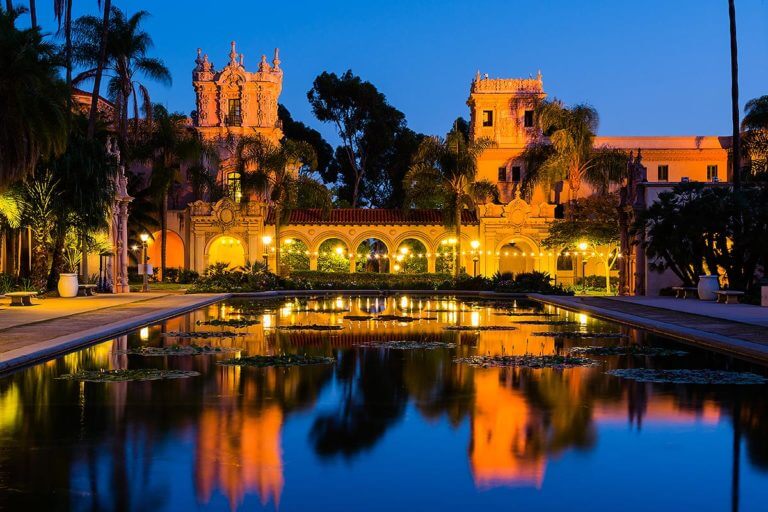
SEE THE BEST OF SAN DIEGO AT NIGHT
- Hop aboard the Trolley for a picturesque evening you won't forget
- Open-air sightseeing perfect for taking pictures
- Approximately 1 hour and 40 minute tour
- See San Diego's famous sights illuminated at night
- Take in romantic views of the city and cruise past notable landmarks
- Highlights include The Historic Gaslamp Quarter, Balboa Park, Coronado's Ferry Landing, USS Midway and more

Save up
to 15%
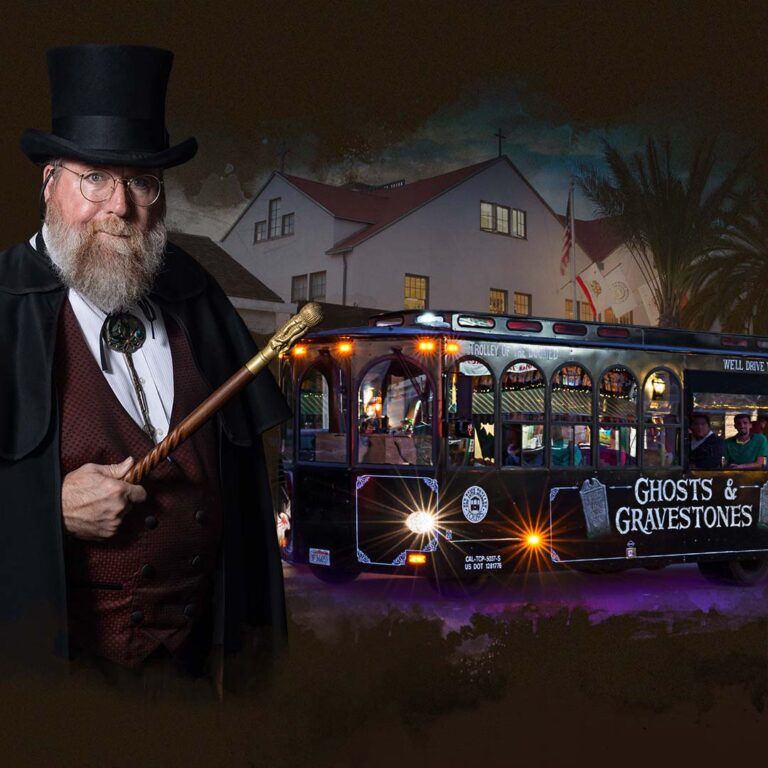
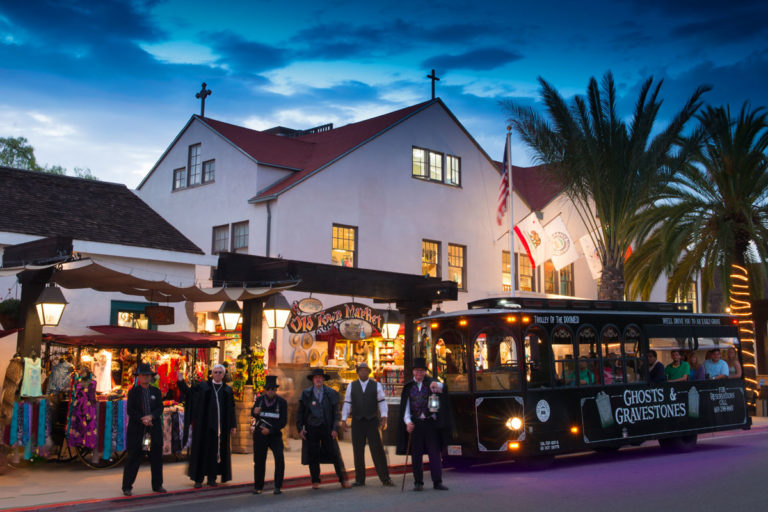
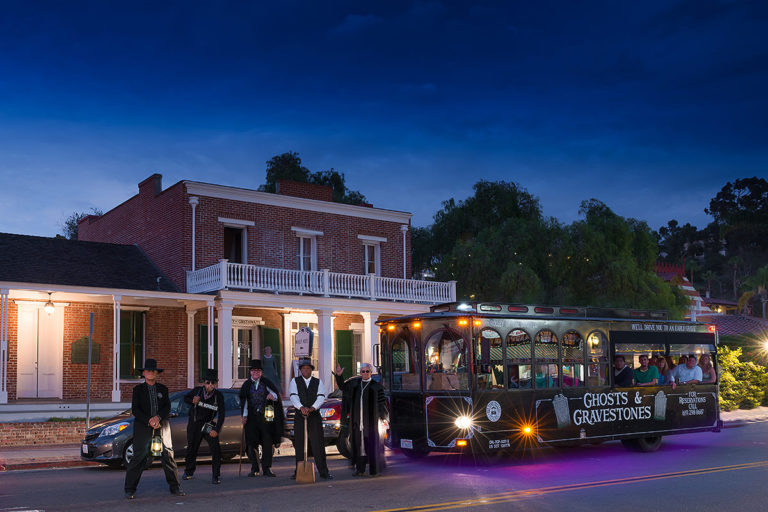
Ghosts & Gravestones
to 15%
- Advance Online Reservations Required
- Voted among top San Diego tours
- 90-minute fully narrated nighttime Frightseeing experience
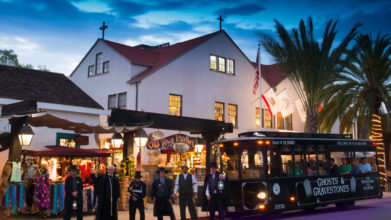
- Explore haunted landmarks aboard the "Trolley of the Doomed"
- Exclusive nighttime walk through historic El Campo Santo Cemetery
- Visit the grounds of America’s Most Haunted House: the Whaley House (exterior only)
- Hear stories of how Pioneer Park changes to the darker side when the sun goes down
- Live storytelling and local ghost legends led by costumed Ghost Hosts
- 100% Satisfaction Guarantee
Key Attractions
Casa de Estudillo
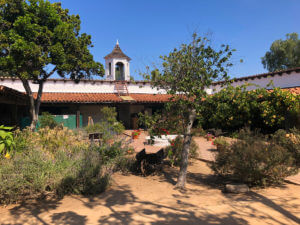 Casa de Estudillo, a meticulously restored adobe home, stands as a shining example of Spanish Colonial architecture. This historic residence offers visitors a detailed look at the lives of early Californian settlers with guided tours that delve into the history and significance of the Estudillo family. From its intricate furnishings to its authentic design, the Casa offers an unparalleled glimpse into the social and cultural fabric of the time.
The Whaley HouseSM – America’s Most Haunted House®
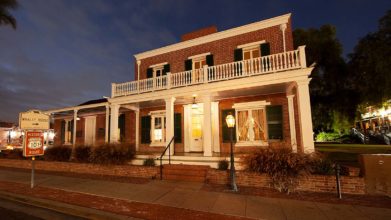
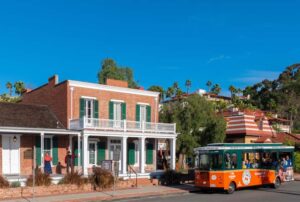 The Whaley House, often referred to as America’s Most Haunted House®, is one of Old Town San Diego State Historic Park’s most iconic landmarks. Known for its eerie history and supernatural tales, this historic building also represents a significant chapter in San Diego’s past. Visitors can take guided tours to learn about the Whaley family, the tragedies that befell them and the house’s role in the local community. Its blend of history and mystery makes it a must-see for anyone exploring Old Town.
Old Town Plaza
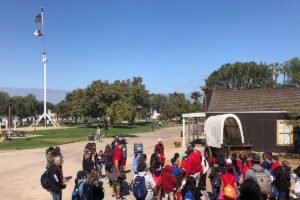 The Old Town Plaza serves as the lively centerpiece of Old Town San Diego State Historic Park. This central gathering place is surrounded by shops, restaurants and street performers, offering visitors a chance to immerse themselves in the culture and history of the area. The Plaza is an essential part of the Old Town experience.
Mission Basilica San Diego de Alcalá
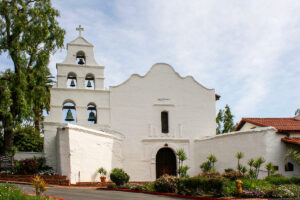 As California’s first mission, Mission Basilica San Diego de Alcalá holds a unique place in history. Established in 1769, this site represents the beginning of Spanish missionary efforts in California. Today, it serves as both a historical landmark and an active place of worship. Visitors can explore the mission’s beautifully preserved grounds, learn about its role in the region’s development, and attend daily mass or guided tours to gain a deeper understanding of its cultural significance.
Things To Do
Shopping
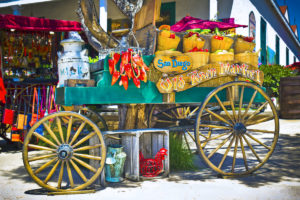 Old Town State Historic Park offers a shopping experience that is as unique as its history. Browse a variety of charming boutiques, each filled with items that reflect the area’s rich cultural heritage. Antique lovers will enjoy exploring stores brimming with rare collectibles, vintage furniture and other relics from San Diego’s storied past. Many shops feature locally made goods, including gourmet treats, candles and hand-carved wooden items, making them perfect for finding meaningful gifts or keepsakes.
Cultural Events
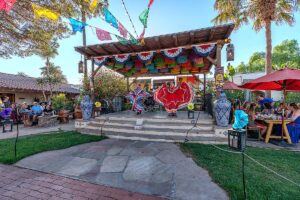 Old Town State Historic Park is known for its dynamic cultural events that celebrate the traditions and stories of the region. These events provide an opportunity to witness live mariachi performances, folkloric dancing, and traditional Mexican art demonstrations. Seasonal festivals bring even more excitement, with local artisans showcasing their crafts and sharing their creative processes. Visitors can learn about the history behind the dances, music, and artwork, offering a deeper understanding of the cultural roots that have shaped Old Town. Family-friendly activities, such as storytelling sessions and hands-on crafts, ensure that guests of all ages can connect with the area’s legacy. Every event is a celebration of the vibrant spirit that defines Old Town State Historic Park.
Horse-Drawn Carriage Rides
 For a leisurely and picturesque way to see Old Town State Historic Park, hop aboard a horse-drawn carriage. These rides offer a tranquil journey through the park’s historic streets, giving visitors a chance to take in the beautifully preserved buildings and landmarks at a relaxed pace. The clip-clop of the horses’ hooves adds to the ambiance, transporting riders to an earlier era of San Diego’s history. Each ride is led by knowledgeable drivers who share fascinating stories and insights about the area’s past, enriching the experience.
Ghosts & Gravestones Tour
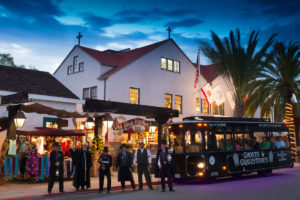 The Ghosts & Gravestones Tour provides a spine-chilling way to experience Old Town State Historic Park. This guided adventure delves into the eerie tales and ghostly legends that linger in the area’s haunted history. Guests will visit iconic sites such as the Whaley House grounds, often described as one of America’s most haunted houses, and learn about the tragic events that have left an indelible mark on Old Town. Combining historical insight with a thrilling paranormal twist, the Ghosts & Gravestones Tour is perfect for those looking to uncover the darker side of Old Town’s storied past.
Old Town Trolley
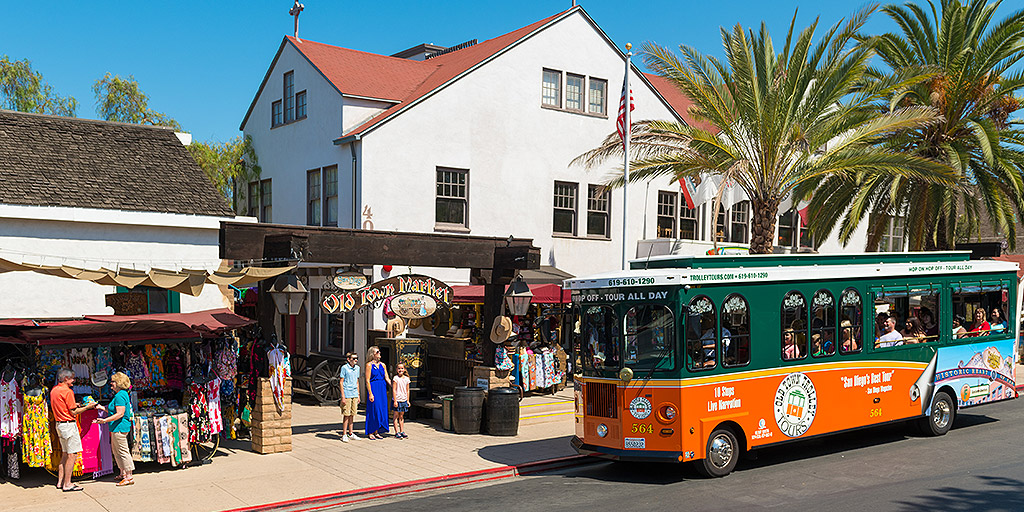
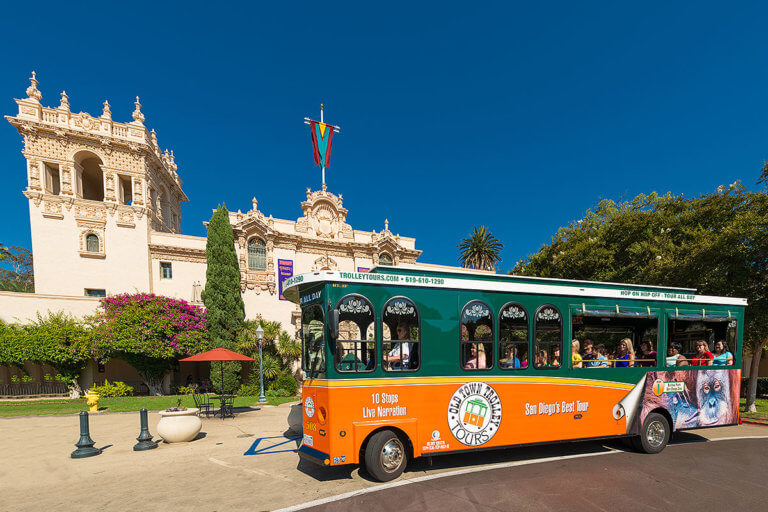
 Convenience meets storytelling with Old Town Trolley Tours San Diego, the city’s most engaging way to explore top attractions, including Old Town State Historic Park. Known for its distinctive trolleys and exceptional service, the tour combines transportation and entertainment to create an unforgettable sightseeing experience.
Each trolley ride is a journey through San Diego’s history, narrated by friendly and knowledgeable guides who share fun facts, local legends, and historical anecdotes. With the flexibility of a hop-on, hop-off format, visitors can easily tailor their day to suit their interests.
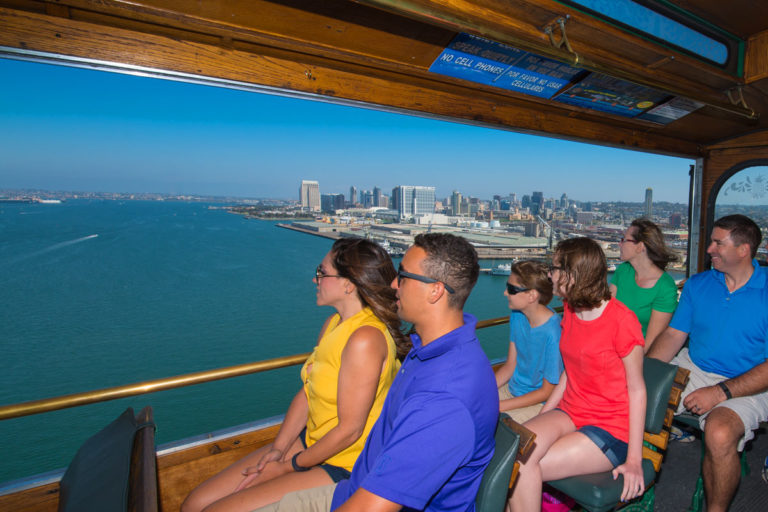
For those visiting Old Town State Historic Park, the trolley is an excellent option. The nearby stop provides seamless access. The trolleys are designed for year-round comfort, with open-air seating that’s perfect for sunny days and all-weather protection when needed.

Old Town State Historic Park preserves San Diego’s story, offering a meaningful connection to the people and events that shaped the region. Established to protect its historical landmarks, the park invites visitors to experience the spirit of California’s early days. From the adobe walls of Casa de Estudillo to the echoes of history within the Whaley House, every corner tells a tale of resilience, transformation, and cultural heritage.
FAQs
The time spent exploring Old Town State Historic Park depends on your interests and the activities you choose to enjoy. Many visitors spend around two to four hours discovering the historic landmarks, shopping at unique boutiques, and savoring local cuisine. If you plan to participate in a guided tour, such as the Ghosts & Gravestones Tour or a visit to the Whaley House, you may want to allocate extra time. The park’s events, performances and exhibits provide endless opportunities to dive deeper into the area’s fascinating history, making it easy to spend an entire day soaking in the atmosphere.
Admission to Old Town State Historic Park is free, making it an accessible destination for families, history enthusiasts, and travelers on a budget. Visitors can wander through the park’s historic streets, explore cultural exhibits and enjoy the lively plaza without any entry fee. Certain activities, such as specialty tours or workshops, may have additional charges. Be sure to check specific attractions or events for pricing information if you’re planning a more detailed itinerary.
Yes, Old Town State Historic Park offers convenient parking options for guests. Several public lots are located near the park, and additional street parking is available in the surrounding area. During weekends, holidays and special events, parking can fill up quickly, so it’s best to arrive early to secure a spot. Some lots may have time restrictions, so plan accordingly if you’re staying for an extended visit.
Leashed pets are welcome in the outdoor spaces of Old Town State Historic Park, making it a great destination for those exploring with their furry companions. While pets are not allowed inside the park’s historic buildings or certain attractions, there are plenty of open areas for walking and enjoying the scenic surroundings. Pet owners should bring water and supplies to ensure their animals are comfortable and clean up after them to maintain the park’s welcoming environment. Always check for any specific pet-related guidelines or seasonal rules before visiting to ensure a smooth experience.
Save up
to 15%
to 15%
SEE THE BEST OF SAN DIEGO & CORONADO IN ONE DAY
- Hop On, Hop Off at 11 Stops Around San Diego and Coronado Island
- Fully Narrated 1 hour and 45 Minute Tour
- Real-Time Trolley Tracking Map
- Open-Air Sightseeing Perfect for Taking Pictures
- Stories Narrated by Local Experts
- 100+ Points of Interest
- American Owned and Operated
- Start at Any Designated Stop
- San Diego's Largest Fleet With the Most Frequent Service
- FREE discount coupons ($30 value)
- FREE Self-Guided Walking Tours
- FREE Admission to Select Museums
- FREE Map Brochure With Day Planner
- Only hop-on and off tour over the bridge to Coronado
- Kids Free in October, 1 Free Child per Adult
- 100% Satisfaction Guarantee
Save up
to 15%
to 15%
SEE THE BEST OF SAN DIEGO AT NIGHT
- Hop aboard the Trolley for a picturesque evening you won't forget
- Open-air sightseeing perfect for taking pictures
- Approximately 1 hour and 40 minute tour
- See San Diego's famous sights illuminated at night
- Take in romantic views of the city and cruise past notable landmarks
- Highlights include The Historic Gaslamp Quarter, Balboa Park, Coronado's Ferry Landing, USS Midway and more
Save up
to 15%
Ghosts & Gravestones
to 15%
- Advance Online Reservations Required
- Voted among top San Diego tours
- 90-minute fully narrated nighttime Frightseeing experience
- Explore haunted landmarks aboard the "Trolley of the Doomed"
- Exclusive nighttime walk through historic El Campo Santo Cemetery
- Visit the grounds of America’s Most Haunted House: the Whaley House (exterior only)
- Hear stories of how Pioneer Park changes to the darker side when the sun goes down
- Live storytelling and local ghost legends led by costumed Ghost Hosts
- 100% Satisfaction Guarantee