
Old Town San Diego Complete Visitor Guide
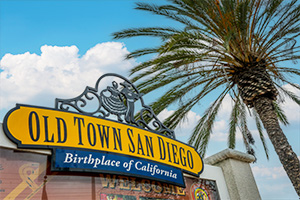
Old Town San Diego is often called the birthplace of California. The area mixes history with places to eat, shop and explore. Visitors can walk through old adobe homes, small museums and live reenactments that show what life was like in the 1800s. Old Town Market San Diego adds color with stalls full of handmade goods, live music and food stands. Restaurants serve classic Mexican dishes and local favorites that reflect the city’s heritage. Guided experiences, including Old Town Trolley Tours®, help bring San Diego history to life while offering easy ways to get around. Everywhere you turn, you’ll find a mix of Old Town San Diego charm and the stories that shaped this region.
-
 Admissions
 -
 Shopping
 -
 Dining
 -
 Entertainment
 -
 Restrooms
 What Makes Old Town San Diego Special?
Old Town San Diego is often called the birthplace of California. The area mixes history with places to eat, shop and explore. Visitors can walk through old adobe homes, small museums and live reenactments that show what life was like in the 1800s. Old Town Market San Diego adds color with stalls full of handmade goods, live music and food stands. Restaurants serve classic Mexican dishes and local favorites that reflect the city’s heritage. Guided experiences, including Old Town Trolley Tours®, help bring San Diego history to life while offering easy ways to get around. Everywhere you turn, you’ll find a mix of Old Town San Diego charm and the stories that shaped this region.
How Did Old Town San Diego Begin?
Old Town San Diego started in 1769, when Spanish settlers built a presidio and mission on the hill above the river. The settlement grew during the Mexican period with adobe homes, shops and a central plaza where much of daily life took place. In 1846 the American flag was raised, and the town kept growing even as more people began moving closer to the bay.
By the mid-1900s, many of the original structures had fallen into disrepair. Efforts to save them led to the creation of Old Town San Diego State Historic Park in 1968. Today the park has more than 20 restored sites, including Casa de Estudillo, Mason Street Schoolhouse, and the Johnson House. Walking through the park gives you a direct link to San Diego history across Spanish, Mexican and early American times, making Old Town San Diego a landmark where the past is carefully preserved for today’s visitors.
 What Historic Sites and Museums Can You Explore in Old Town San Diego?
 What Historic Sites and Museums Can You Explore in Old Town San Diego?
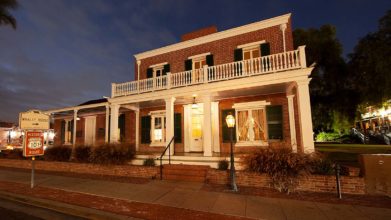
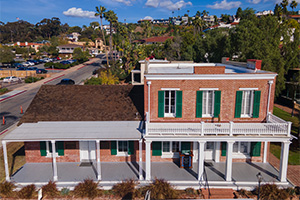
Old Town San Diego has some of the most interesting landmarks tied to the city’s beginnings. The Whaley HouseSM Museum, known as America’s Most Haunted House®, is widely regarded as one of the best. Built in 1857, it’s been everything from a courthouse to a general store and even the first commercial theater in San Diego. Today, guides share both the facts and the ghost stories that have surrounded the house for more than a century, making it one of the most talked-about places in Old Town San Diego.
The Casa de Estudillo, built in 1827, is a classic adobe home that shows what life looked like during the Mexican era. Inside you’ll see rooms set up with furniture, cookware and tools from the 1800s. Families with kids often enjoy the Mason Street Schoolhouse, which was the very first public school in San Diego. A visit inside gives you a clear idea of how classes were taught when the city was just starting to grow. The larger Old Town San Diego State Historic Park ties everything together with more museums and restored buildings, each filled with clothing, documents and household items from early settlers. Exploring these sites helps you picture how San Diego’s early history took root.
What Entertainment and Cultural Experiences Can You Find in Old Town San Diego?
Old Town San Diego blends history with everyday fun, so visitors get more than just museum stops. On many days you’ll catch reenactors showing what life looked like in the 1800s, blacksmiths hammering away or musicians filling the plaza with traditional songs. Seasonal events often bring food, dancing and hands-on activities that make the state park feel like it’s still alive with community gatherings.
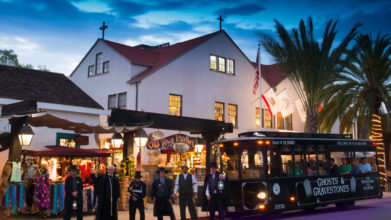
At night, things take a spookier turn with the Ghosts & Gravestones® Frightseeing® Tour. Guests ride the Trolley of the Doomed while guides share stories tied to some of San Diego’s most haunted sites. A key stop is the Davis-Horton House, today known as the Gaslamp Museum in the Gaslamp Quarter. Built in 1850, it’s the oldest standing house in the city and has been a home, a wartime hospital and even military barracks. Many visitors talk about the “Lady in Black” or hearing footsteps in empty rooms, which keeps the site high on the list of eerie places connected to San Diego history. The mix of storytelling and real history makes the tour one of the most memorable nighttime experiences in the city.
What Events and Festivals Bring Old Town San Diego to Life?
Old Town San Diego hosts cultural events throughout the year that give visitors a closer look at its traditions. One of the largest is the annual Cinco de Mayo Festival, when streets and plazas fill with mariachi music, folklórico dancers and food vendors serving Mexican favorites. Families and friends gather to enjoy the performances, browse craft stalls and take in the atmosphere that stretches from morning through night.
In the fall, Old Town observes Día de los Muertos, a holiday rooted in Mexican culture that honors loved ones who have passed. Altars decorated with flowers, candles and photographs line the walkways, while artists and vendors share colorful skulls, handmade crafts and traditional food. Visitors can join processions and learn about the meaning behind the holiday while enjoying the unique displays.
December brings holiday programming with lantern-lit evenings, costumed carolers and seasonal treats. Some events also highlight San Diego history through reenactments and storytelling. Each celebration adds its own layer to the experience of visiting Old Town San Diego, giving travelers another reason to return throughout the year.
Where Can You Shop in Old Town San Diego?
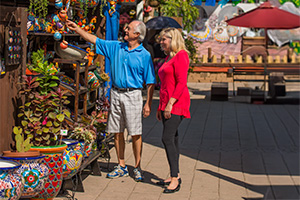
Shopping in Old Town San Diego is as much about the experience as it is about what you bring home. The Old Town Market San Diego sits in the middle of the district with more than 40 unique shops and stalls. Visitors can browse for jewelry, pottery, embroidered clothing and folk art that reflect both Mexican and Californian traditions. It’s also a good spot to find souvenirs tied to local legends and San Diego history, like books about early settlers or hand-painted tiles inspired by mission designs.
Beyond the market, small specialty stores are scattered through the streets. Some focus on handmade candles, leather goods or Native American crafts. Others highlight spices, candies or traditional snacks that give travelers a literal taste of the region. You’ll even find shops dedicated to instruments, fine art or locally roasted coffee, adding more variety to the mix.
What Nearby Attractions Can You Explore Around Old Town San Diego?
Presidio Park is an easy walk from Old Town and marks the site where San Diego began in 1769. Visitors can see monuments, shaded trails and the hilltop cross that overlooks the district. Heritage Park Victorian Village adds another layer of San Diego history, with restored Victorian homes open for tours or photo stops.
Mission San Diego de Alcalá is only a short drive away and is known as the first mission in California. The grounds include gardens, a chapel and a small museum that explains how the mission shaped the region. For something different, the San Diego SEAL ToursSM take guests on an amphibious vehicle that drives through the streets before splashing into the harbor. The mix of land and sea gives a new view of the city and ties the modern experience back to the waterfront that’s always been central to San Diego’s story.
What Dining Options Can You Find in Old Town San Diego?
Dining in Old Town San Diego is one of the easiest ways to connect with the culture of the district. Many of the most popular restaurants serve traditional Mexican food, with fresh tortillas, enchiladas and tamales cooked daily. Patio seating is common, and it’s not unusual to hear mariachi bands performing while guests enjoy their meals.
There are also plenty of casual restaurants that serve American-style food, including burgers, barbecue and seafood brought in from the San Diego coast. Some of these places operate out of restored adobe or wooden buildings, which adds another layer of San Diego history to the experience.
Snacks and desserts are easy to find, too. Stands sell churros, paletas and Mexican chocolate, while bakeries and sweet shops line the streets with candies and pastries. Ice cream parlors and small cafés give families a chance to pause during the day, making food a natural extension of the Old Town visit.
Why Choose Old Town Trolley Tours To Reach Old Town San Diego?
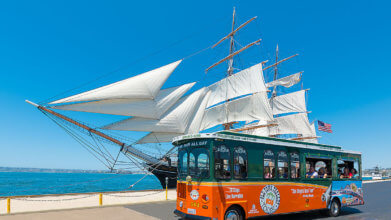
Old Town Trolley Tours is one of the easiest ways to reach Old Town San Diego and explore the rest of the city. The trolley stops directly at Old Town San Diego State Historic Park, so you can step right into the district without worrying about parking or traffic.
The hop-on, hop-off service links Old Town with popular attractions like Balboa Park, the Gaslamp Quarter and the waterfront. This makes it simple to spend part of the day in Old Town, then continue to other landmarks at your own pace. Along the route, friendly and knowledgeable guides provide live narration filled with stories and San Diego history, so you’ll learn about the city while you ride.
The open-air design is comfortable in San Diego’s mild climate, and the trolleys are built for easy boarding, which families and groups often appreciate. Visitors also enjoy knowing they can reboard as many times as they like, giving them the freedom to plan their day without feeling rushed. Old Town Trolley Tours combines convenience with storytelling, making it both a reliable way to get around and an experience in itself.
Why Spend Time in Old Town San Diego?
Old Town San Diego is one of the easiest ways to step into the region’s past. The adobe homes, wooden storefronts and museums tell the story of how the city grew, first under Spanish and Mexican influence and later as part of the United States. Walking the plaza or visiting a preserved schoolhouse gives you a close look at daily life from the 1800s. Markets and restaurants keep the district lively, with food and crafts that connect to those traditions. Riding Old Town Trolley Tours adds another layer, since the guides share stories as you travel and make it simple to reach the heart of the park. A visit to Old Town San Diego blends history with everyday experiences, and it’s a place that many travelers keep on their list when exploring the city.
FAQs
Is Old Town San Diego family-friendly?
Yes. Families find plenty to do in Old Town San Diego. Kids can tour the old schoolhouse, watch demonstrations in the plaza or join in seasonal activities tied to local traditions. The open layout makes it easy to explore with strollers or small children. Parents often use Old Town Trolley Tours to avoid parking and hear background stories that keep kids engaged.
Are there museums to visit in Old Town San Diego?
Old Town San Diego has several small museums that focus on daily life and early San Diego history. The Whaley House Museum is known for its layered past and ghostly reputation. La Casa de Estudillo shows how families lived during the Mexican period. The Seeley Stable museum displays carriages and wagons once used for travel and trade. Together, these museums give a wide view of how people worked, lived and built the community.
How much time should I spend in Old Town San Diego?
Plan at least three to four hours. That allows time to visit the main museums, look through the shops and enjoy a meal. If you add Presidio Park or want to join a tour like Ghosts & Gravestones Frightseeing Tour, it’s easy to fill a full day. Many visitors stay longer if they come during festivals or seasonal events.
What are the top attractions in Old Town San Diego?
The Whaley House Museum, Casa de Estudillo and Old Town Market San Diego are among the most visited. The plaza often has reenactments or cultural demonstrations. Events like Día de los Muertos add live music and traditional altars. Old Town Trolley Tours helps tie these attractions together, since the hop-on, hop-off service links Old Town San Diego with places like Balboa Park and the waterfront.
What kind of food can I find in Old Town San Diego?
Old Town San Diego is best known for Mexican food. Many restaurants make tortillas on-site and serve dishes like tamales, enchiladas and tacos. Mariachi music is often part of the dining experience. There are also American grills serving burgers and seafood, plus cafés and bakeries offering churros, paletas and ice cream. Food here reflects both Mexican and Californian traditions, giving visitors another way to connect with San Diego history