


PLAN YOUR TRIP


For the average Bostonian, life in the New England colonies during the 17th century was, as you might’ve guessed, not exactly one of ease and leisure.
Before they were built by stone or brick masonry, homes were small, dank, drafty and made entirely of wood. This building practice was abolished toward the advent of the 1700s due to the susceptibility of fire. Most of the population subsisted as farmers, the drinking water was unsafe, medicine was still in the Dark Ages, and the average lifespan was just shy of 40 years. These were arduous and challenging times. Living under the yoke of an oppressive foreign monarchy would eventually prove too much to bear, and a revolution was born.

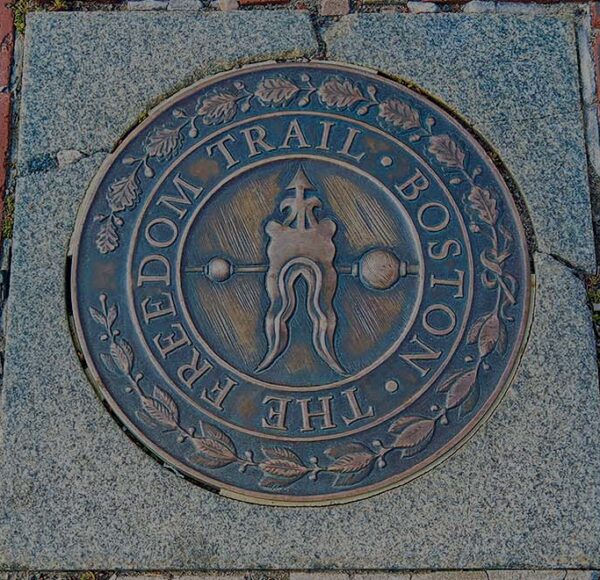
Comprised of 16 places of interest, each one a milestone in the evolution of Boston from English colony to independence, the Freedom Trail is an essential component of any trip to Boston. This historic attraction literally lays out Boston’s colonial history before you on the very streets where the city’s most transformative events unfolded several hundred years ago.
The thinking behind the design of the Freedom Trail is attributed to William Schofield, a former travel writer for the Boston Herald. He noticed that visitors eager to immerse themselves in the city’s historic past were having trouble finding the landmarks they were looking for. Schofield proposed a solution – Link the most important sites in a numbered sequence along a clearly marked, easy to follow trail that could be walked from end to end without the chance of getting rerouted or lost. There was also the idea that the Freedom Trail would’ve been a typical path to walk for the average colonist back in the day, further enhancing the sensation of traveling back in time.
Experience Revolutionary History
on The Freedom Trail
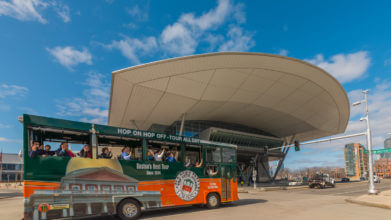
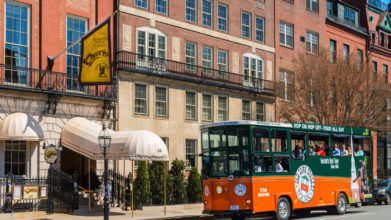
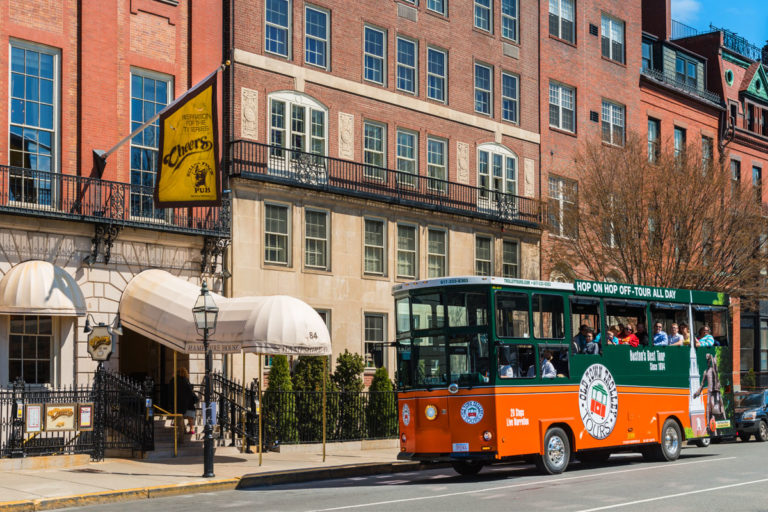
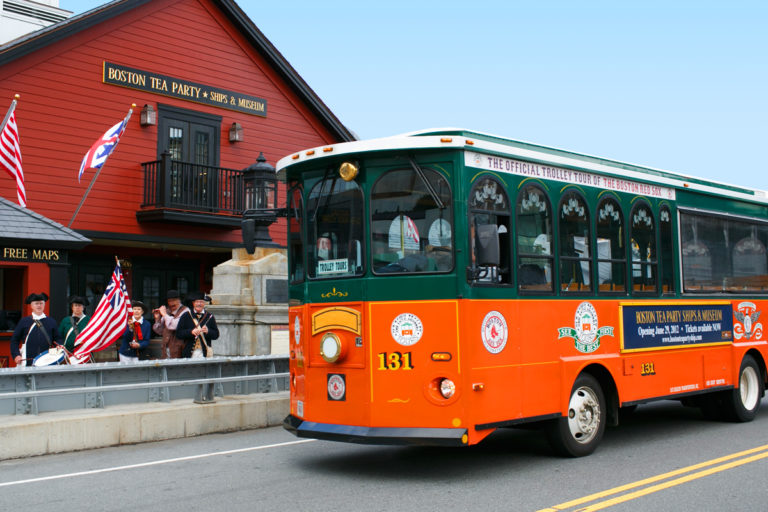
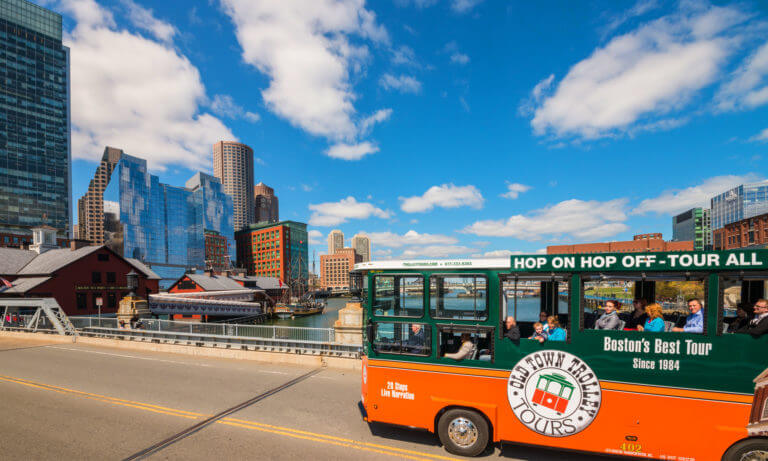
Hop on and hop off The Freedom Trail with Old Town Trolley Tours. This comprehensive, narrated tour covers the most historic landmarks and monuments, offering stops near the most celebrated sites along Boston’s Freedom Trail. Old Town Trolley Tours provides the most convenient and insightful way to journey through history, past the sites of the American Revolution.
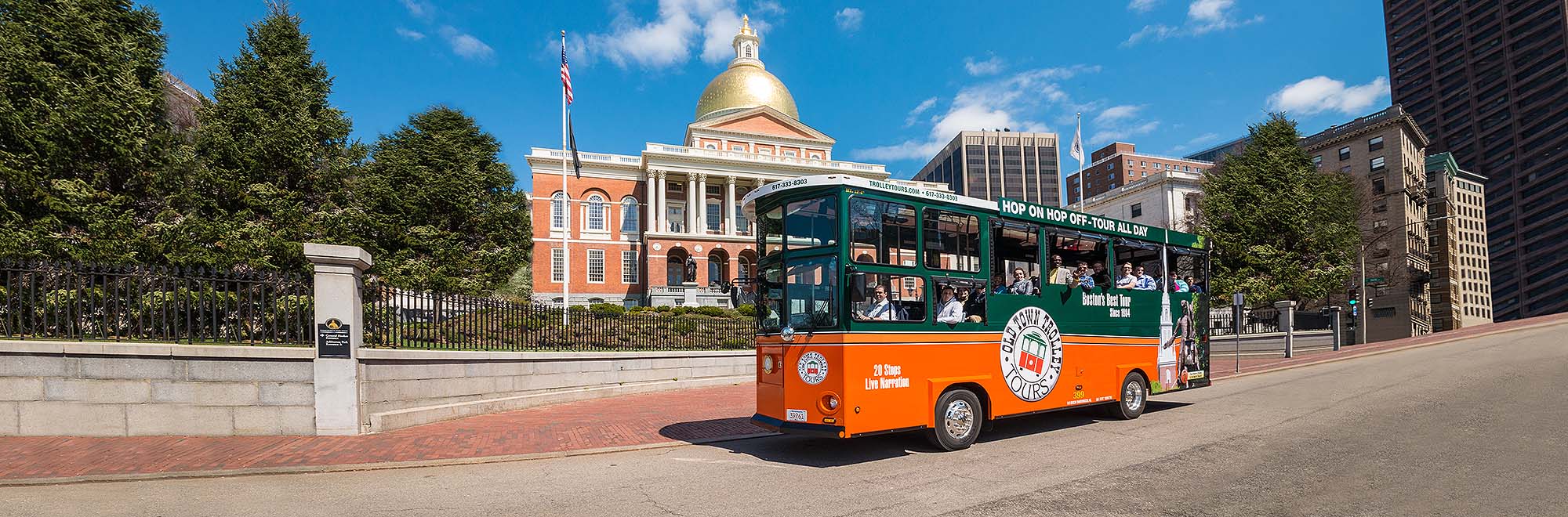
Tour The Freedom Trail with Old Town Trolley
- Hop-on, Hop-off Freedom: Guests can disembark at 16 designated stops to explore at their own pace, guaranteeing maximum flexibility.
- Expertly Guided History: Uncover the stories behind Boston’s most iconic monuments with a professional, entertaining, and live narrator.
- Worry-Free Sightseeing: Let the Old Town Trolley Tours take you directly to the legendary sites that make up the historic path.
- Convenient Access: Experience Boston’s history up close, with convenient stops near all the major attractions of the Freedom Trail.
Key Features of Your Freedom Trail Experience
Boston’s legendary “red brick path” (The Freedom Trail) is a 2.5-mile journey that brings the American Revolution to life. Old Town Trolley Tours connects visitors directly to these essential historic destinations, curating a diverse itinerary that ranges from sacred meeting houses and active naval ships to the nation’s oldest public park.
Cradle of Liberty:
Begin at Faneuil Hall, the famous political meeting place, located alongside the adjacent historic marketplace.
The Lantern Signal:
Journey to the Old North Church, the location of the famous signal “one if by land, and two if by sea” that warned of the approaching British forces.
Naval Glory:
Visit the USS Constitution (“Old Ironsides”) in Charlestown, located near the historic Bunker Hill Monument.
Pivotal Meeting Houses:
Witness the Old State House, site of the infamous Boston Massacre, and the nearby Old South Meeting House, where the Boston Tea Party began.
The Freedom Trail Start:
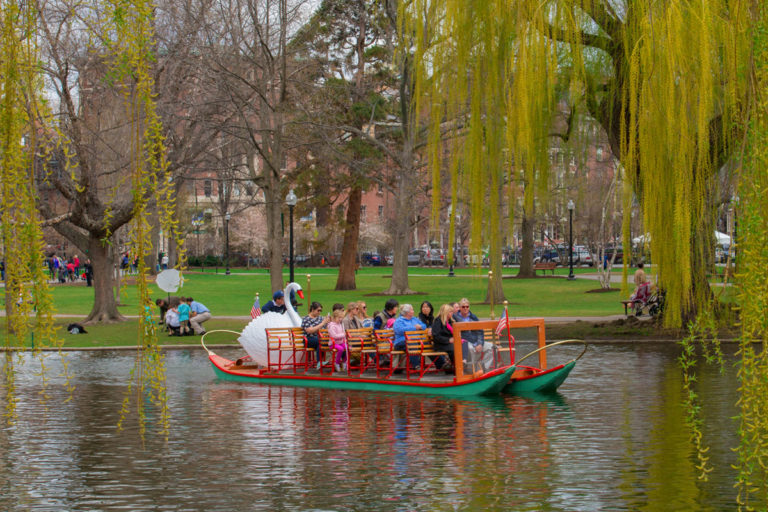
Explore Boston Common, America’s oldest public park and the official starting point of the Freedom Trail.
Resting Places of Heroes:
Walk from the State House stop to the Granary Burying Ground, the final resting place of Revolutionary icons like Paul Revere, John Hancock, and Samuel Adams.

Save up
to 15%
1-Day Old Town Trolley Tour
to 15%
- Hop On, Hop Off at 17 Stops Around Boston and the Freedom Trail
- Fully Narrated Tour
- Real-Time Trolley Tracking Map
- Best Views With Stadium Seating
- Cushioned Seating
- Stories Narrated by Local Experts
- Smart-Sync Historical Visuals
- Tallest Vehicles Allowed by Law
- 100+ Points of Interest
- American Owned and Operated
- All-Weather Vehicles
- Start at Any Designated Stop
- “One of the 10 best hop-on hop-off tours in the world” - Forbes
- PLUS:
- $10 off Historic Harbor Cruise*
- $10 off Ghosts & Gravestones Tour*
- $5 off Boston Essential Guide*
- $6 off admission to Boston Tea Party Ships & Museum*
- 50% off admission at The Sports Museum*
- $4.00 off admission at The West End Museum*
- Please see your Old Town Trolley Tours conductor or sales representative to ask about attraction discounts that come with your trolley ticket.
- Attraction tickets do not have to be used on the same day

Save up
to 5%
to 5%
SEE THE BEST OF BOSTON AND JOURNEY BACK IN TIME TO 1773
- Old Town Trolley Tours:
- Hop On, Hop Off at 17 Stops Around Boston and the Freedom Trail
- Fully Narrated Tour
- Real-Time Trolley Tracking Map
- Best Views With Stadium Seating
- Cushioned Seating
- Stories Narrated by Local Experts
- Smart-Sync Historical Visuals
- Tallest Vehicles Allowed by Law
- 100+ Points of Interest
- American Owned and Operated
- All-Weather Vehicles
- Start at Any Designated Stop
- “One of the 10 best hop-on hop-off tours in the world” - Forbes
- PLUS:
- $10 off Historic Harbor Cruise*
- $10 off Ghosts & Gravestones Tour*
- $5 off Boston Essential Guide*
- 50% off admission at The Sports Museum*
- $4.00 off admission at The West End Museum*
- Please see your Old Town Trolley Tours conductor or sales representative to ask about attraction discounts that come with your trolley ticket.
- Admission to Boston Tea Party Ships & Museum:
- Reservations are required
- Visit authentically restored tea ships
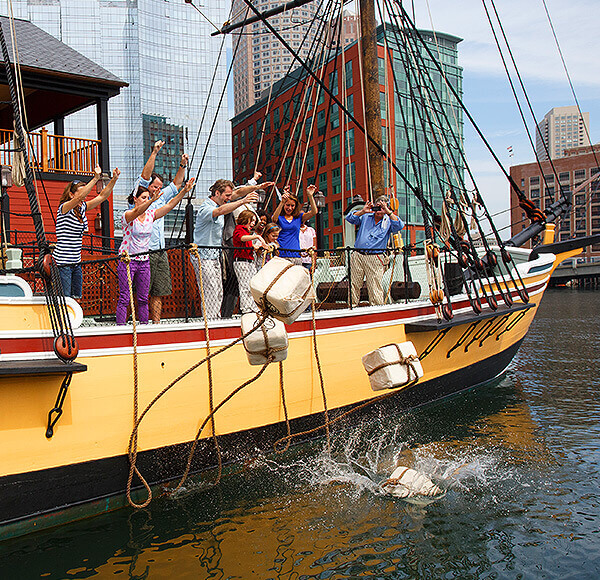
- Dump tea overboard just as the sons of liberty did
- Attraction tickets do not have to be used on the same day
Save up
to 15%
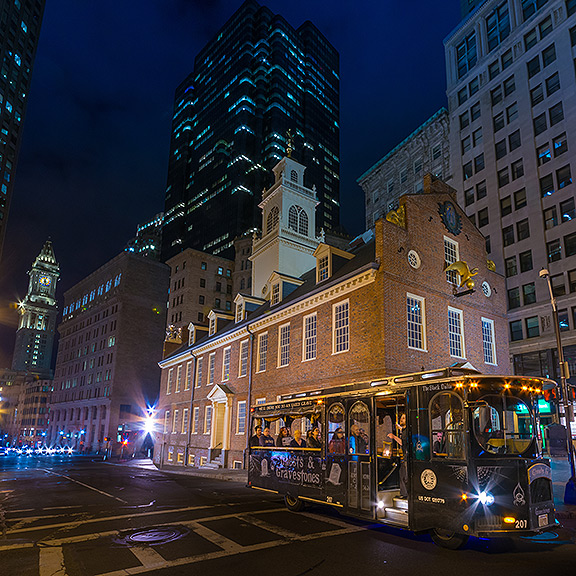
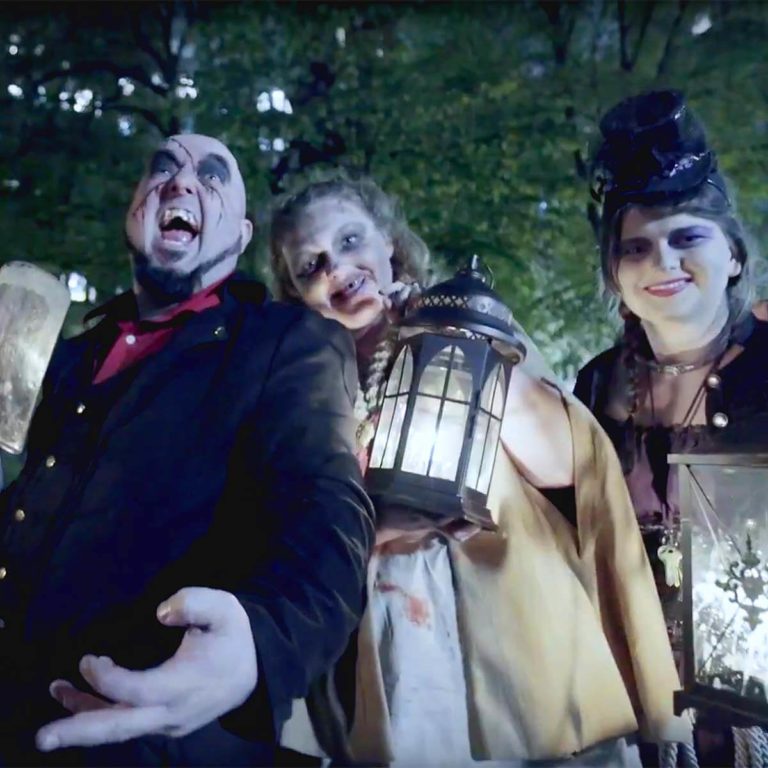
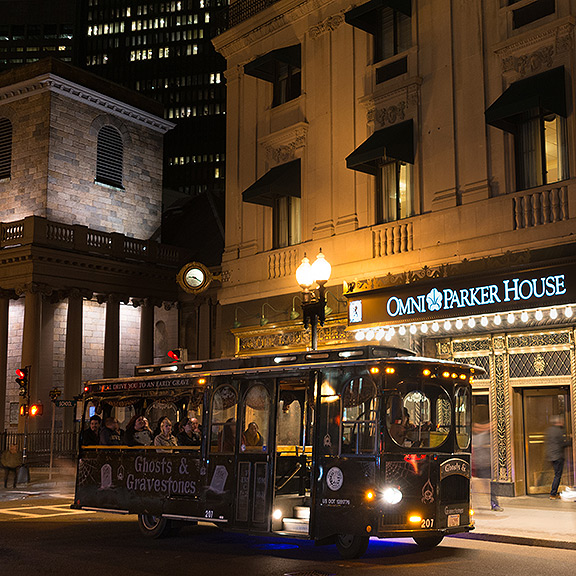
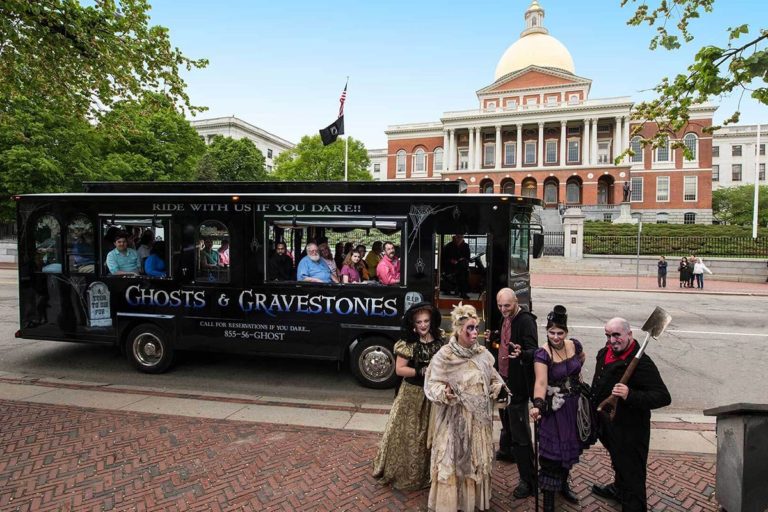
Ghosts & Gravestones Tour
to 15%
- Advance Online Reservations Required
- Voted among top Boston tours
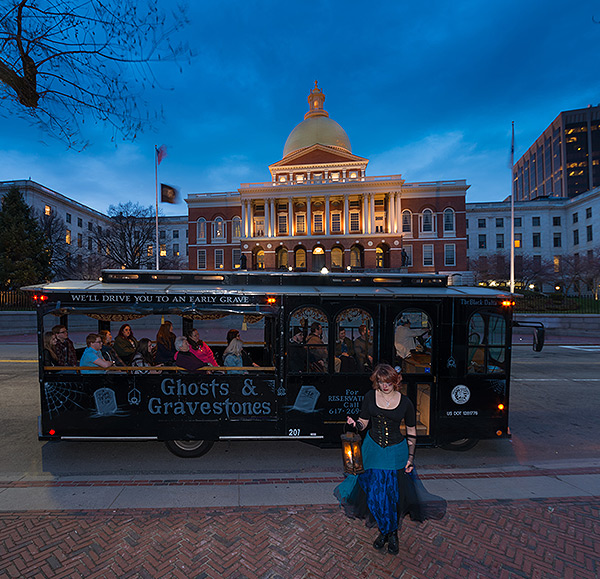
- 90-minute fully narrated nighttime Frightseeing experience
- Explore Boston’s darkest historic sites and landmarks along the Freedom Trail
- Exclusive after-hours access into two historic burying grounds
- Hear about the mysteries and haunting tales of the famous Omni Parker House
- Live storytelling and local ghost legends led by costumed Gravediggers
- 100% Satisfaction Guarantee
What To See on the Freedom Trail
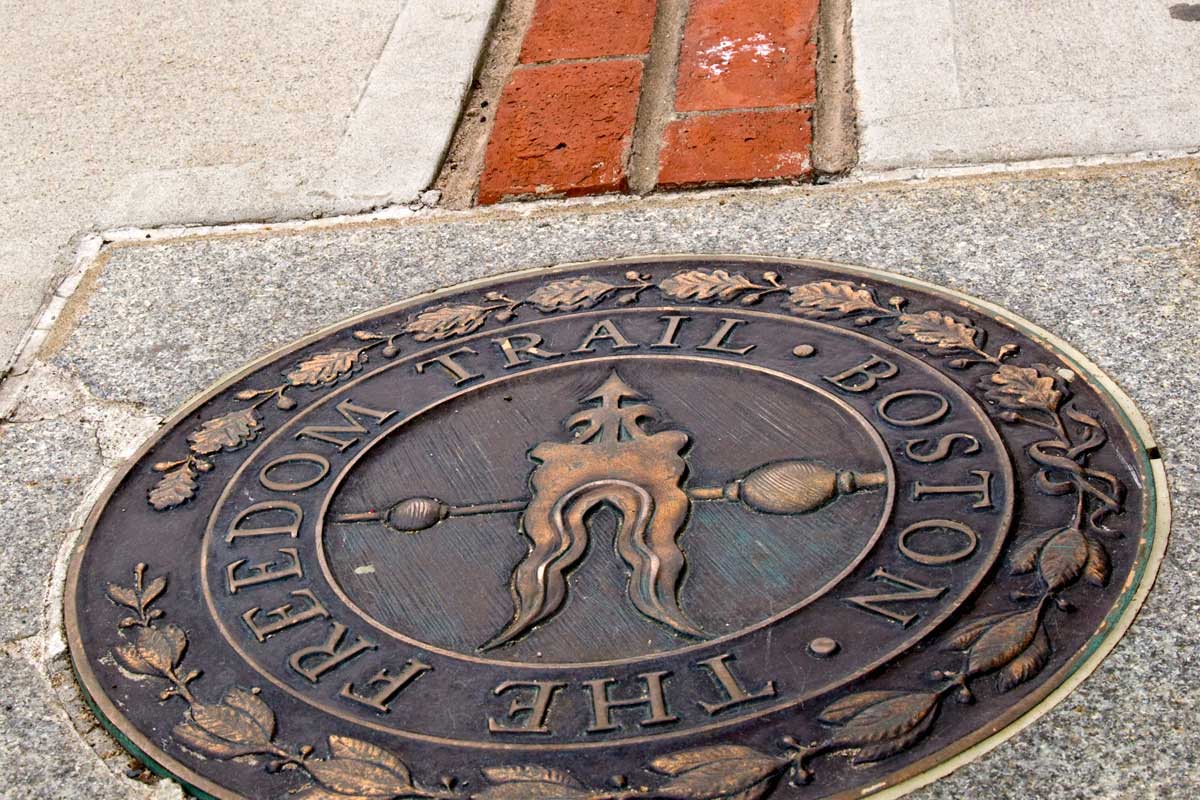
An outdoor and indoor living history experience. You can begin your tour at the beginning, middle, or the end, visiting the sites in any order you choose. The official start of the trail begins at Boston Common.
Boston Common
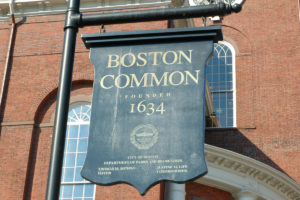 Established in 1634, Boston Common is the oldest public park in the country. It was once used for public gatherings, speeches, and even grazing animals. Today, it is the official starting point of the Freedom Trail Boston. It is also a great place to relax, take in the view of the Massachusetts State House or enjoy the shade before heading off on your walk.
Massachusetts State House
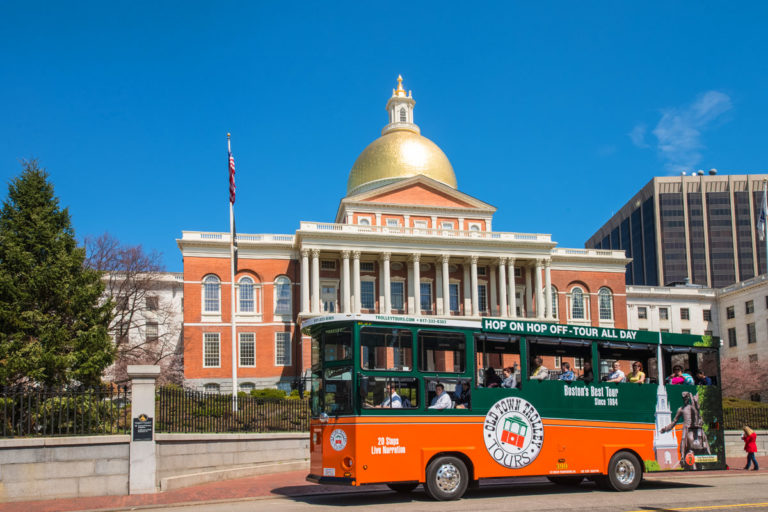
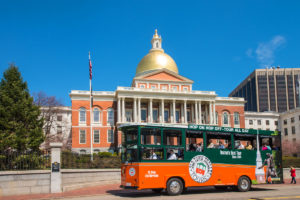 Sitting high on Beacon Hill, this building has been the home of Massachusetts’ government since 1798. The shiny gold dome is one of Boston’s most famous sights. Visitors can take free tours on weekdays to see the Senate and House Chambers and learn more about how the state is run.
Park Street Church
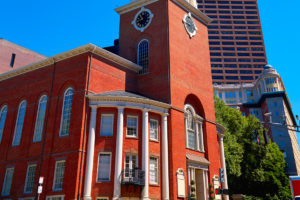 This church was built in 1809 and is known for its tall white steeple and long history of public speaking and reform. It was a center for the anti-slavery movement and other important causes. The church still holds services and is a powerful reminder of how religion and politics came together in Boston’s past.
Granary Burying Ground
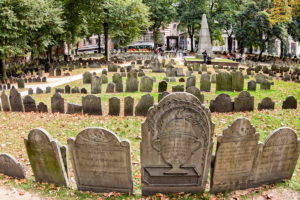 This historic graveyard is the final resting place of some of the country’s most famous patriots, including Paul Revere, Samuel Adams and John Hancock. It is quiet and shady, with many headstones dating back to the 1700s. Visitors often leave coins or small flags on the graves to honor those who helped build the country.
King’s Chapel and King’s Chapel Burying Ground
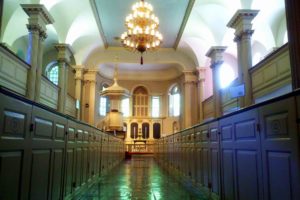 This site includes both a church and one of Boston’s oldest cemeteries. The stone church, built in 1754, is still active today and offers tours. The burying ground dates to 1630 and includes the graves of early settlers like Mary Chilton, who was the first woman to step off the Mayflower.
Old South Meeting House
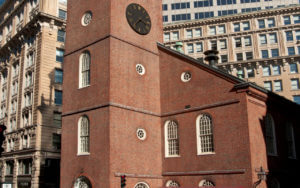 This is where thousands of colonists met to speak out against British taxes. The most famous meeting happened in December 1773, just before the Boston Tea Party. Inside, you can see exhibits and objects from the time of the American Revolution.
Old State House
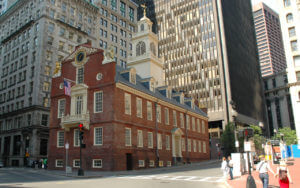 This is Boston’s oldest public building and was the center of the Colonial government. It is where the Declaration of Independence was first read to the public in 1776. Inside, there is a small museum that explains Boston’s political history and its role in starting the Revolution.
Boston Massacre Site
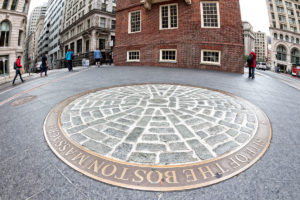 Outside the Old State House, you’ll see a circle of stones on the ground. This marks the spot where British soldiers fired into a crowd of colonists in 1770. Five people died, and the event helped lead to the war with Britain. It is a small stop but an important one.
Faneuil Hall
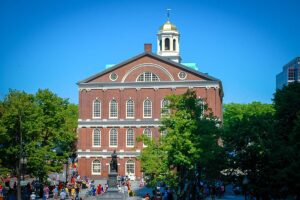 Built in 1742, this building has been used for public meetings for over 250 years. People once gathered here to plan protests and speeches about liberty. Today, it is part of a lively shopping and dining area. Inside the hall, you can still see historic meeting rooms and exhibits.
Paul Revere House
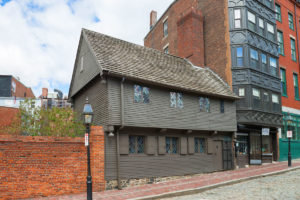 This wooden home is over 300 years old and is where Paul Revere lived at the time of his famous midnight ride. Visitors can walk through the rooms and see what daily life looked like in Colonial Boston. It is the oldest house on the trail and feels like a real step back in time.
Old North Church
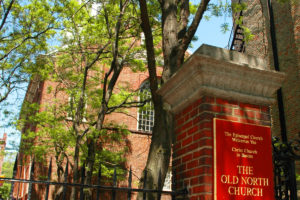 This is the place where two lanterns were hung to signal that the British were marching by sea. It happened on the night of Paul Revere’s ride in 1775. Inside, you can sit in the original wooden pews and even take a tour up to the bell tower.
Copp’s Hill Burying Ground
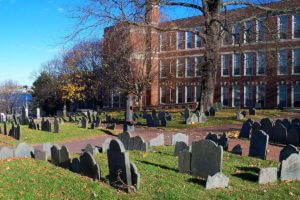 Located in the North End, this is another old cemetery with many weathered headstones. British soldiers used this hill to fire cannons during the Battle of Bunker Hill. Today, it is a peaceful stop with a view of the river.
USS Constitution Museum
 Known as “Old Ironsides,” this Navy ship is the oldest warship still floating in the world. It played a big part in the War of 1812 and is still staffed by active-duty sailors. Next door is a museum with fun and hands-on exhibits about ships, battles and life at sea.
Bunker Hill Monument
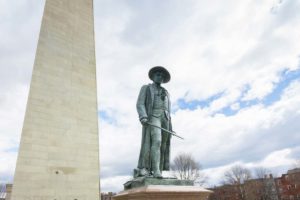 This tall granite obelisk marks the site of the Battle of Bunker Hill, one of the first major fights of the American Revolution. Visitors can climb the 294 steps to the top or explore the small museum at the base to learn more about the battle and the people who fought there.
Each site offers a compelling look into the rich past of the American Revolution. Adults and children of all ages can learn the fascinating stories of the people, the places and the events that took place in colonial Boston as they walk the Freedom Trail.
Self-Guided Tours
A walk along the Freedom Trail can be experienced however you wish. If you’re one who likes to take your time, linger and learn; a self-guided tour may be just what you’re looking for. The Freedom Trail guides are another great way to see the sites and learn more about each one.
As one of the most popular historical tours in all of New England, the Freedom Trail’s Walk into History tours entertain and enlighten millions of guests each year. The 18th century costumed guides add a dramatic element to the tour; each one is a local Bostonian with a deep historical knowledge of the trail. You’ll hear intriguing tales of how the patriots and the colonists fought for freedom and how they succeeded in establishing what we know as the United States of America. Each tour is 90 minutes in length and is designed for individuals, groups, schools and more.
Boston Ghost Tour

Old Town Trolley Tours invites you to explore Boston’s darker side aboard the city’s only “frightseeing” ghost tour, Ghosts & Gravestones. You’ll visit the streets where the Boston Strangler once prowled and hear local tales of murder and mayhem, ghosts and ghouls.
Boston Tea Party Ships & Museum

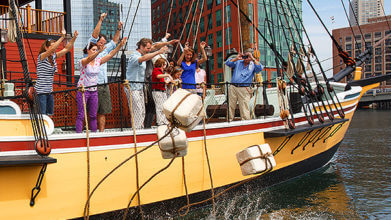
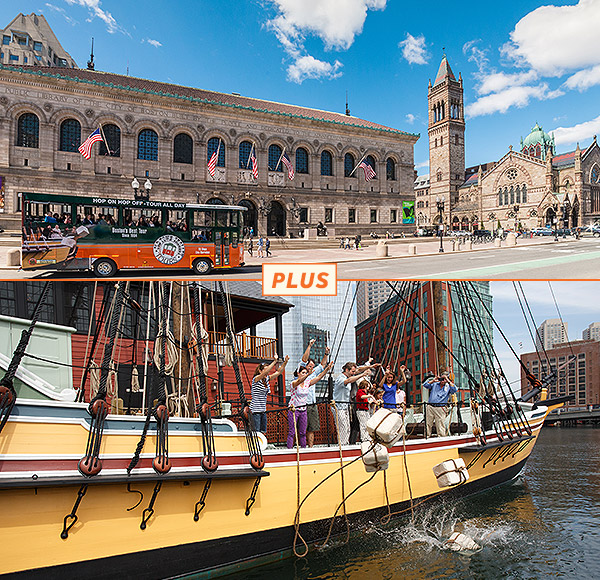
As the site of many game-changing historical events that helped galvanize a nation towards independence, the Boston Tea Party is widely-acknowledged as the tinder that helped spark a revolution. Located in the heart of the city’s Seaport District, this multi-sensory museum allows visitors to relive history with interactive exhibits, full-scale restored 18th-century ships, and a fully immersive tour led by a passionate team of historical actors that really puts the events commemorated by the Freedom Trail into perspective. As part of their commitment to bringing the events of this period into a sharper perspective, there is the opportunity to carouse with colonialists over a spot of tea and re-enact the Boston Tea Party itself!
Know Before You Go
1
Wear comfortable shoes: The trail is 2.5 miles long and includes brick paths, cobblestone streets, and uneven sidewalks. Good walking shoes are a must.
2
Start early if you want to go inside multiple sites: Many historic landmarks have limited hours. Arriving early gives you enough time to explore the interiors of places like the Paul Revere House or Old South Meeting House.
3
Bring water, sunscreen or layers depending on the season: Spring through fall can be sunny and warm. In cooler months, layers and gloves will help keep you comfortable.
4
Weekdays are usually less crowded: If you prefer a quieter walk, weekdays are your best bet. Weekends, especially in summer, can be very busy.
5
Download a map or pick one up at Boston Common: The red line marking the trail is easy to follow, but a map helps you spot nearby restrooms, food stops and points of interest.
6
Consider pairing your visit with Old Town Trolley Tours: With multiple stops near Freedom Trail landmarks, Old Town Trolley is a great way to see more while giving your feet a break. It also includes live narration from friendly and knowledgeable guides, which adds more meaning to every stop.
FAQs
The Boston Freedom Trail connects 16 important sites, including Boston Common, the Massachusetts State House, Granary Burying Ground, the Old South Meeting House, the Old State House, Paul Revere House, Old North Church, USS Constitution, and the Bunker Hill Monument.
Walking the full 2.5-mile trail without going into any buildings takes about two to three hours. To explore more deeply and tour several sites along the way, plan to spend a full day or even two.
Walking the trail is free. It is a public path marked by a red line on the ground. However, some of the buildings along the route charge admission if you want to go inside. This includes places like the Paul Revere House, the Old South Meeting House, and the Old North Church.
Both options have benefits. A self-guided tour gives you flexibility and lets you move at your own pace. A guided tour, especially one led by a costumed historian or paired with Old Town Trolley Tours, offers helpful background, fun stories and insights you might not learn on your own.
The trail begins at Boston Common in the downtown area. It passes through neighborhoods like Downtown Crossing and the North End and ends in Charlestown at the USS Constitution and the Bunker Hill Monument.
Save up
to 15%
1-Day Old Town Trolley Tour
to 15%
- Hop On, Hop Off at 17 Stops Around Boston and the Freedom Trail
- Fully Narrated Tour
- Real-Time Trolley Tracking Map
- Best Views With Stadium Seating
- Cushioned Seating
- Stories Narrated by Local Experts
- Smart-Sync Historical Visuals
- Tallest Vehicles Allowed by Law
- 100+ Points of Interest
- American Owned and Operated
- All-Weather Vehicles
- Start at Any Designated Stop
- “One of the 10 best hop-on hop-off tours in the world” - Forbes
- PLUS:
- $10 off Historic Harbor Cruise*
- $10 off Ghosts & Gravestones Tour*
- $5 off Boston Essential Guide*
- $6 off admission to Boston Tea Party Ships & Museum*
- 50% off admission at The Sports Museum*
- $4.00 off admission at The West End Museum*
- Please see your Old Town Trolley Tours conductor or sales representative to ask about attraction discounts that come with your trolley ticket.
- Attraction tickets do not have to be used on the same day
Save up
to 5%
to 5%
SEE THE BEST OF BOSTON AND JOURNEY BACK IN TIME TO 1773
- Old Town Trolley Tours:
- Hop On, Hop Off at 17 Stops Around Boston and the Freedom Trail
- Fully Narrated Tour
- Real-Time Trolley Tracking Map
- Best Views With Stadium Seating
- Cushioned Seating
- Stories Narrated by Local Experts
- Smart-Sync Historical Visuals
- Tallest Vehicles Allowed by Law
- 100+ Points of Interest
- American Owned and Operated
- All-Weather Vehicles
- Start at Any Designated Stop
- “One of the 10 best hop-on hop-off tours in the world” - Forbes
- PLUS:
- $10 off Historic Harbor Cruise*
- $10 off Ghosts & Gravestones Tour*
- $5 off Boston Essential Guide*
- 50% off admission at The Sports Museum*
- $4.00 off admission at The West End Museum*
- Please see your Old Town Trolley Tours conductor or sales representative to ask about attraction discounts that come with your trolley ticket.
- Admission to Boston Tea Party Ships & Museum:
- Reservations are required
- Visit authentically restored tea ships
- Dump tea overboard just as the sons of liberty did
- Attraction tickets do not have to be used on the same day
Save up
to 15%
Ghosts & Gravestones Tour
to 15%
- Advance Online Reservations Required
- Voted among top Boston tours
- 90-minute fully narrated nighttime Frightseeing experience
- Explore Boston’s darkest historic sites and landmarks along the Freedom Trail
- Exclusive after-hours access into two historic burying grounds
- Hear about the mysteries and haunting tales of the famous Omni Parker House
- Live storytelling and local ghost legends led by costumed Gravediggers
- 100% Satisfaction Guarantee